

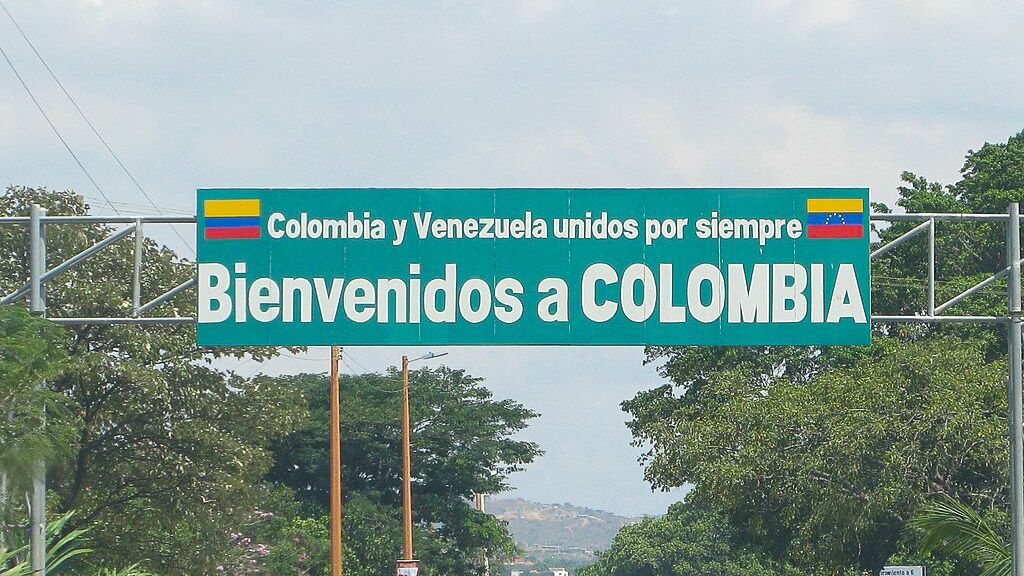
Escaping crisis: the Venezuelans rebuilding their lives in Colombia
By Alan Palazon
In recent years, over seven million migrants have fled the economic and humanitarian crisis gripping Venezuela. The majority have sought refuge in Colombia, which has opened its doors to almost three million. These are some of their stories.
Don't fancy reading? Listen the the article instead.
Heliana fled for her children’s future
“Suddenly we were living in a nightmare,” said Heliana Duran, a 38-year-old English teacher who left Venezuela with her two young daughters and ex-husband in 2015.

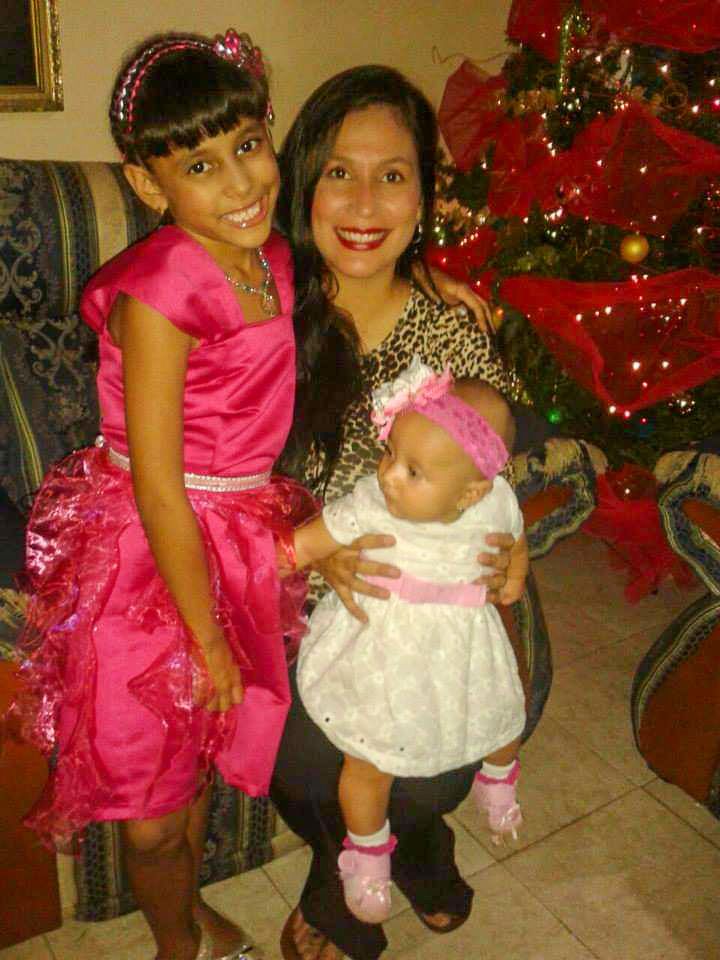
Heliana and her daughters when they were a child and baby.
Heliana and her daughters when they were a child and baby.
At the time she was working at a language centre and her ex-husband was also employed. However, Venezuela’s economy had collapsed.
“The middle class just disappeared and then we were all poor,” said Heliana.
She added: “Both of our salaries weren’t enough and life became really hard.”
By 2015, Venezuela, once the most prosperous country in Latin America, had been in crisis for around five years. The worlds’ most oil-rich nation had become a victim of its own natural resources.
Disastrous economic policies under former president, Hugo Chávez, that relied primarily on oil exports turned Venezuela into a petrostate, whittling away the economy. After his death in 2013, his successor and current president, Nicolás Maduro, continued the economic destruction and plunged the nation into humanitarian turmoil.

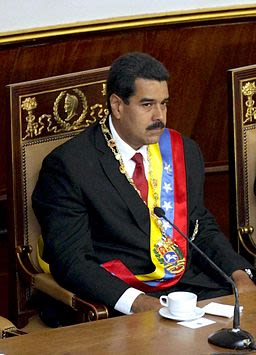
Current Venezuelan president Nicolás Maduro, who is accused of humanitarian and political crimes. (Cancillería del Ecuador CC 2.0)
Current Venezuelan president Nicolás Maduro, who is accused of humanitarian and political crimes. (Cancillería del Ecuador CC 2.0)

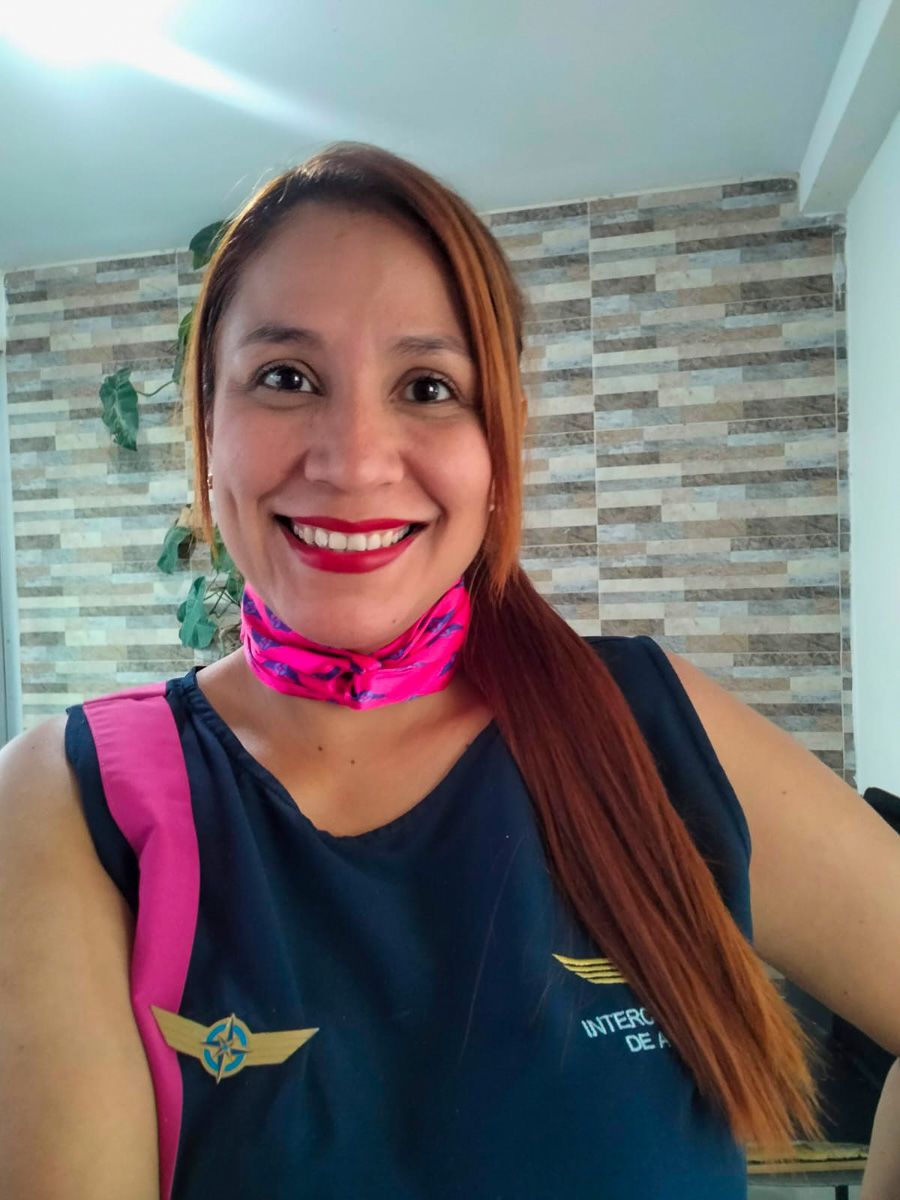
Heliana Duran now lives happily in Colombia with her three children working as an English teacher at an aviation school.
Heliana Duran now lives happily in Colombia with her three children working as an English teacher at an aviation school.

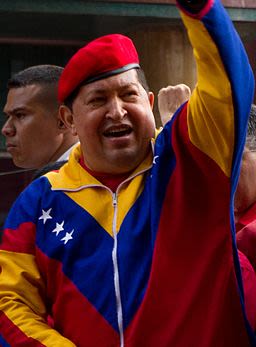
Former president Hugo Chávez, whose policies started the crisis. (Wikipedia CC 2.0)
Former president Hugo Chávez, whose policies started the crisis. (Wikipedia CC 2.0)
Find out the history of the crisis in Venezuela in under 4 minutes.
Find out the history of the crisis in Venezuela in under 4 minutes.

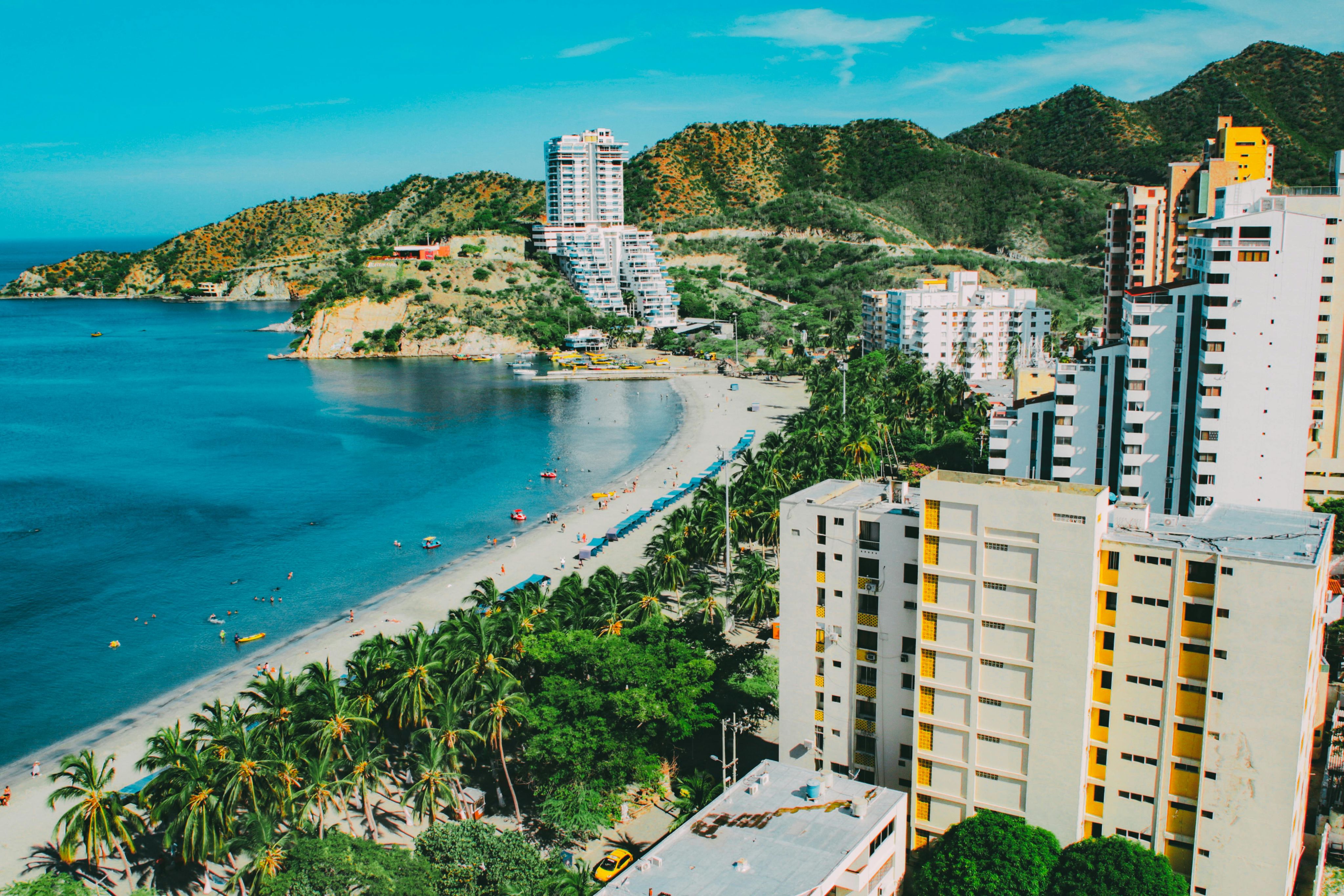
Santa Marta, Colombia. (Luis Quintero / Pexels)
Santa Marta, Colombia. (Luis Quintero / Pexels)

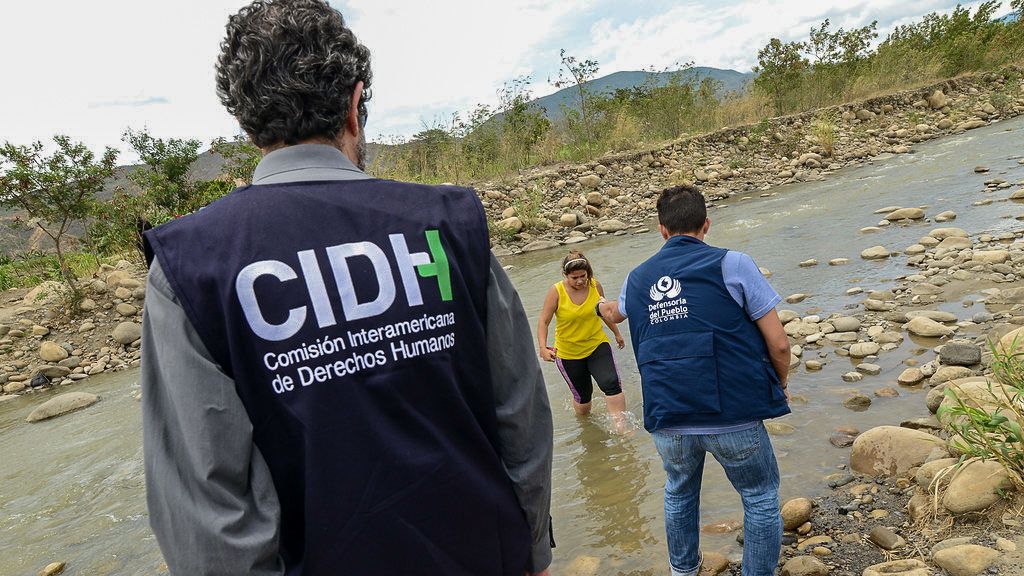
Human rights workers help a Venezuelan woman cross a trocha. (CIDH CC 2.0)
Human rights workers help a Venezuelan woman cross a trocha. (CIDH CC 2.0)
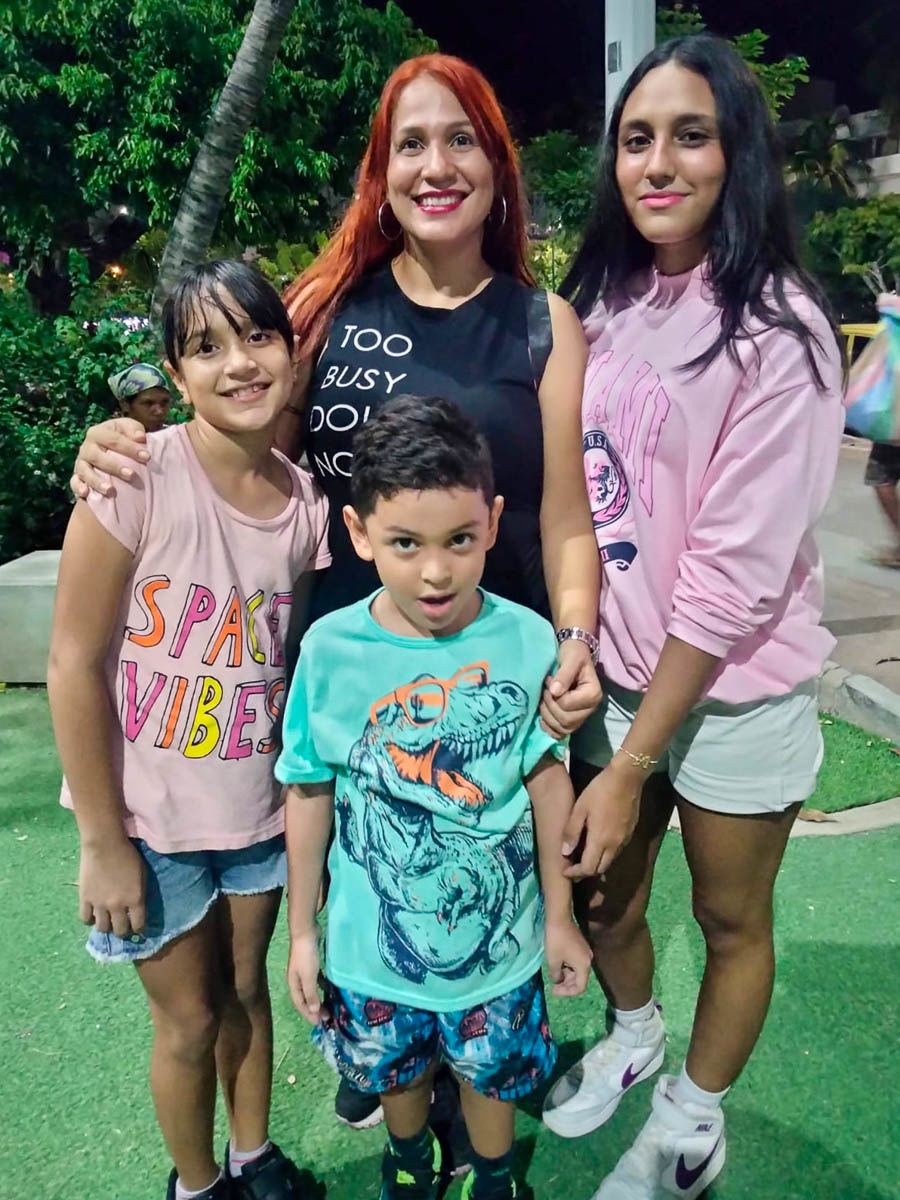
Heliana and her three children.
Heliana and her three children.
As conditions deteriorated under Maduro, life became a dredge for many. Heliana said: “Things were getting worse every day, but we knew our children deserved a better quality of life.”
Heliana’s lifeline was that her ex-husband was Colombian and his parents were living in Santa Marta, on the Caribbean coast of Colombia.
Leaving everything she knew behind, Heliana packed just two suitcases for the journey: one with clothes and another with medicine.
“I didn’t know what to expect and all I could think about was my children,” she said.
After taking a bus for three hours from their home city of Maracaibo to the border, the family found it was closed. Maduro was stopping people leaving Venezuela.

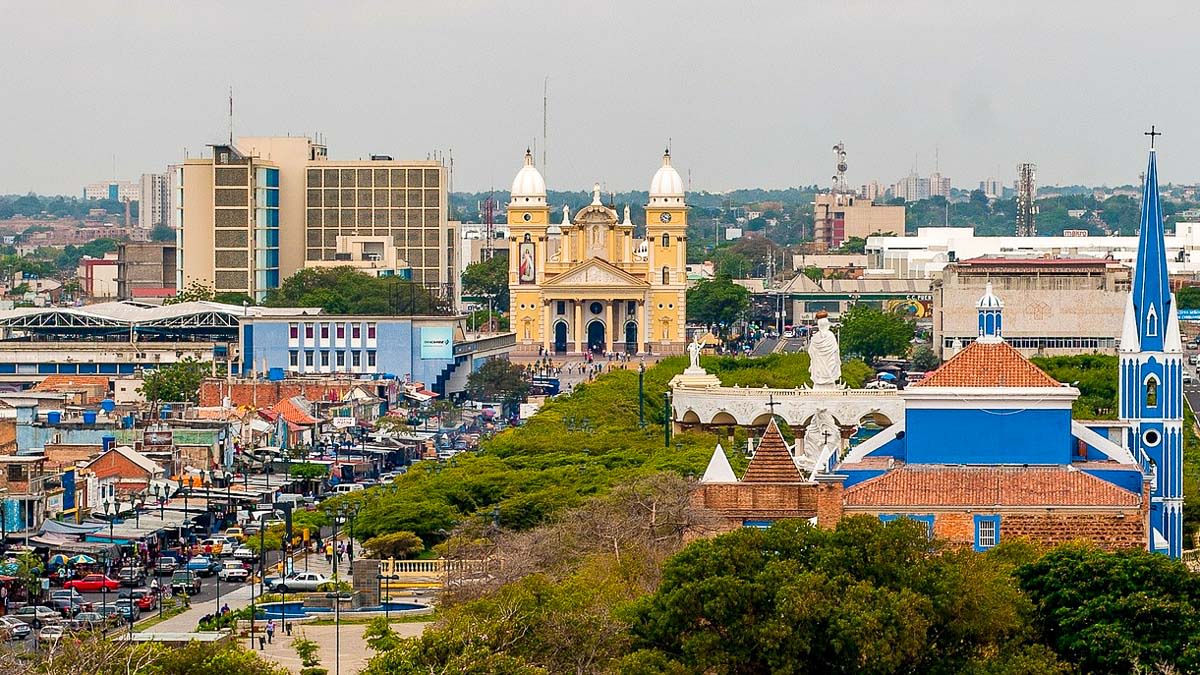
Maracaibo, Venezuela. (Pixabay).
Maracaibo, Venezuela. (Pixabay).
“We had to take the illegal roads, the trocha, that’s how we call it,” said Heliana.
Many of the illegal border crossings – trochas – are controlled by armed gangs who extort vulnerable migrants.
“We were stopped by men wearing hoods covering their faces. They had rifles and were asking for money in order to cross,” said Heliana.
She added: “My children were crying and we were very anxious.”
Scared for her children’s lives, Heliana paid up. After entering Colombia, the family was soon able to take a bus to Santa Marta.
In Santa Marta, it was a completely different atmosphere to the ordeal they’d just experienced at the border.
“Colombians are very kind, outgoing and open-minded.
“Venezuelans are friendly too, but here it feels like another level of openness,” said Heliana.
While Heliana and her family had made it to the safety of her ex in-laws, she wasn’t out of the woods yet. Although married to a Colombian, she was an illegal immigrant with no job.
But six months after arriving, Heliana found an advert for an English teacher at a language school. Without any legal documentation, she had to take a chance.
“I just showed up and they interviewed me,” she said. Against all the odds, Heliana was offered the job.
“It was the first time they were going to hire a foreigner and they sponsored my work visa,” she said.
This gave Heliana one year of legal status, enough time to apply for permanent residency, helped by her children being Colombian nationals. This allowed her to stay in the country indefinitely and she spent four years working at the language school.
“I never felt out of place, I always felt like one of them.
“I was treated with respect, kindness, and empathy,” she said.
After leaving the language school in 2020, Heliana took a break from employment to focus on family life. She’s since returned to work and currently teaches English at an aviation school.
“Living here [Santa Marta] has been great.
“I’ve been able to give my children a future not possible in Venezuela,” she said.
Gabriela fled poverty
“I held on as long as I could because I never wanted to leave my country,” said 29-year-old Gabriela Gamez, an airplane cabin crew trainee and bartender also in Santa Marta.
At 19, Gabriela graduated as a sergeant from the Venezuelan air force academy into an administrative role. It was 2014 and, although the crisis was underway, it was yet to impact her in Píritu, northern Venezuela.
“I was a soldier and I earned very well,” she said.
But this was short lived. In 2016, as the population grew tired of the crisis, mass protests began.
“Things were getting difficult.
“There were guarimbas (road blocks) and a national shutdown for five days,” said Gabriela.
Violent protests became widespread in Venezuela from 2016.
By 2017, food shortages were widespread. Oil revenues had once allowed Venezuela to import the majority of consumer goods. Meanwhile government regulations increased which stifled domestic production.
When oil prices crashed and the country could no longer afford to import, local producers, who had been weakened by regulations, couldn’t keep up with demand.
Families searching rubbish bins for scraps of food became a common sight. By the end of 2017 Venezuelans had reported losing an average of 11 kg of body weight.
“We had money to buy food, but there wasn’t any to buy,” said Gabriela.
In 2020, the Covid-19 pandemic catalysed the already dire situation. “The pandemic, for me, was the drop that spilled the cup,” said Gabriela.
By this time Gabriela was working for an airline. However, the pandemic caused many jobs to disappear and she was about to lose hers.
“I had no income, and there was no gasoline or food.
“That’s when we decided to leave the country,” she said.

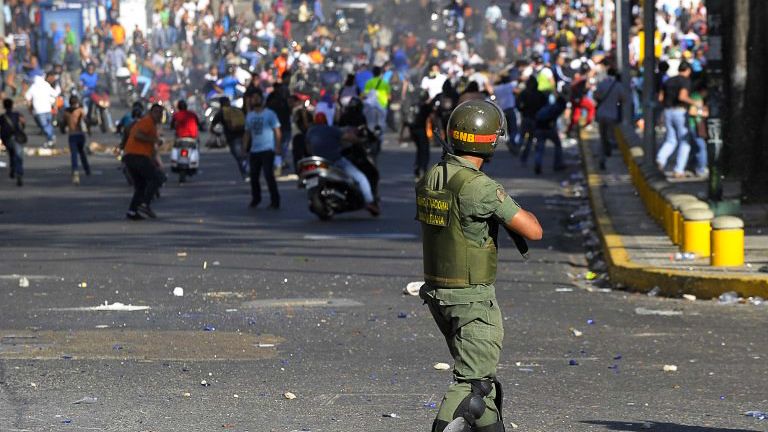
Violent clashes between Venezuelan authorities and citizens became widespread from 2016 onwards. (Criticodiario / Flickr CC 2.0)
Violent clashes between Venezuelan authorities and citizens became widespread from 2016 onwards. (Criticodiario / Flickr CC 2.0)
Gabriela made the journey to Santa Marta with her two brothers taking a similar route to Heliana via the jungle trochas near Maracaibo.
By this time the border was open, but Gabriela didn’t have a passport. The air force had cut it up after she left her job there.
“In the trocha, every 100 metres or so, there was a rope blocking the road.
“Children were manning the ropes and we had to give them around $3,000 pesos to pass each time,” said Gabriela.
Before making the journey herself, Gabriela’s now ex-boyfriend had arrived in Santa Marta earlier to find accommodation for them. By the time she and her brothers arrived, they had a place to stay.
It took Gabriela three months to find work. Despite her professional career back home, waitressing at a restaurant was all she could land.
“People wouldn’t recognise my qualifications and experience, so I decided to study administration at an institution here,” she said.
After telling her boss she’d worked in air force administration in Venezuela, the restaurant paid for Gabriela’s studies. Upon graduating, she became the restaurant’s administrator and spent a total of three years working there.
“I’m thankful for that job, it gave me a lot of opportunities,” she said.
Gabriela fought hard to get to this point, but it wasn’t where she truly wanted to be.
“I didn’t feel fully fulfilled,” she said.
“I’d always had that interest in aviation, so when I saw the opportunity at the aviation school, I went for it,” she added.
“I think we [Venezuelans] have had a lot of help [in Colombia] because we can open bank accounts, we can study, and they gave us legal status,” she said.
“I think they [Colombians] are making a great effort to make us feel a little more comfortable here.”
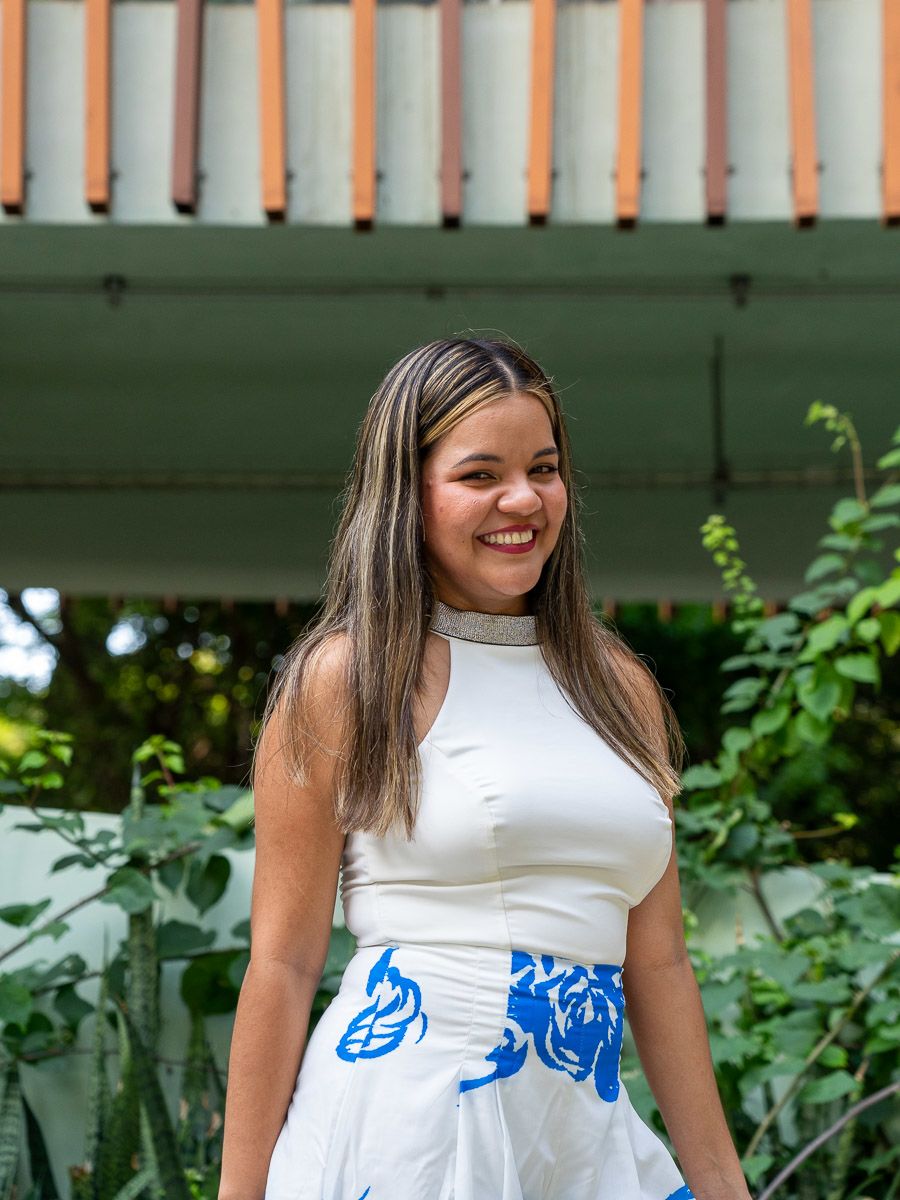
Gabriela Gamez fled Píritu, Venezuela to Santa Marta, Colombia.
Gabriela Gamez fled Píritu, Venezuela to Santa Marta, Colombia.

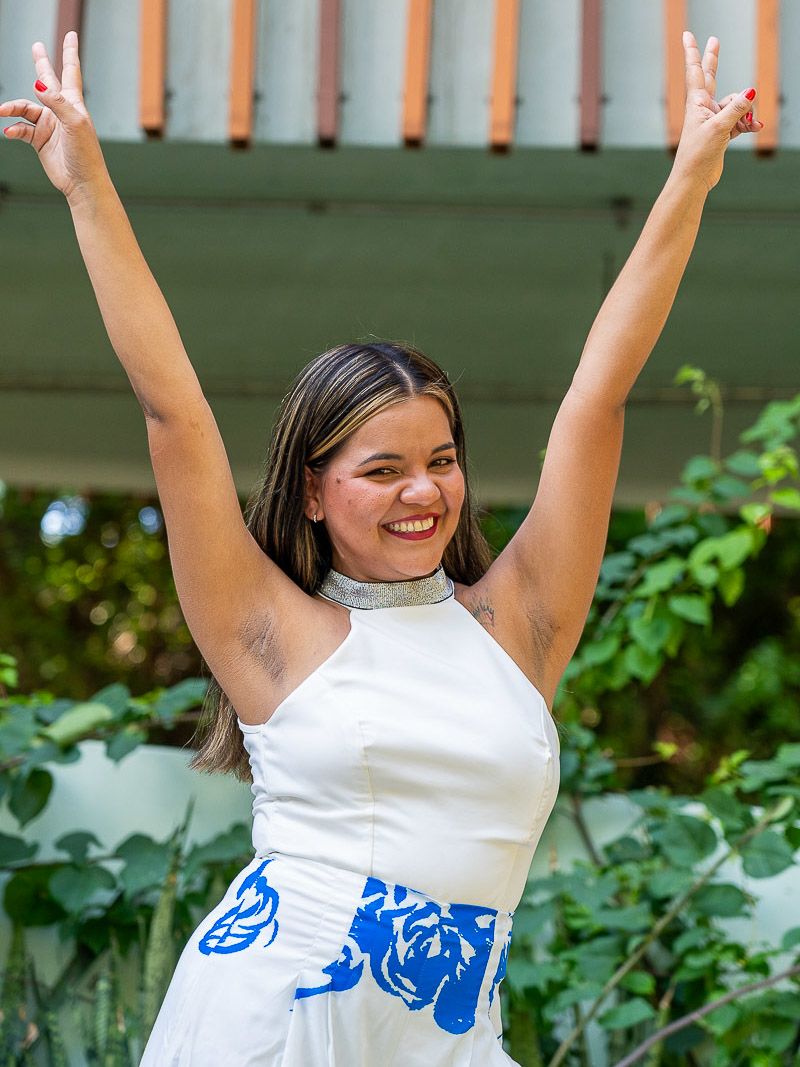
Gabriela has regained her future in Colombia.
Gabriela has regained her future in Colombia.
How Colombia has helped Venezuelans
Colombia has taken in more Venezuelan migrants than any other country.
In 2021 former president Iván Duque gave the then nearly two million Venezuelan immigrants in Colombia the opportunity to gain a 10-year temporary protective status (ETPV). Immigrants need to have lived in Colombia for five years to be eligible for permanent residency, meaning Venezuelans can apply for this well before their ETPV expires.
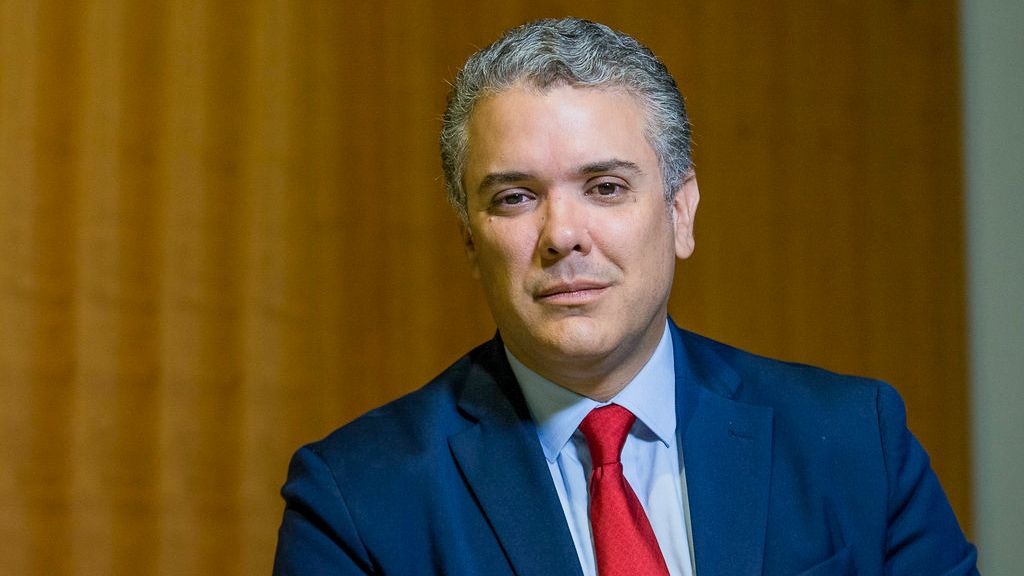
Former Colombian president Iván Duque. He included Venzuelans economically and socially by issuing the ETPV. (Casa America / Flickr CC 2.0)
Former Colombian president Iván Duque. He included Venzuelans economically and socially by issuing the ETPV. (Casa America / Flickr CC 2.0)

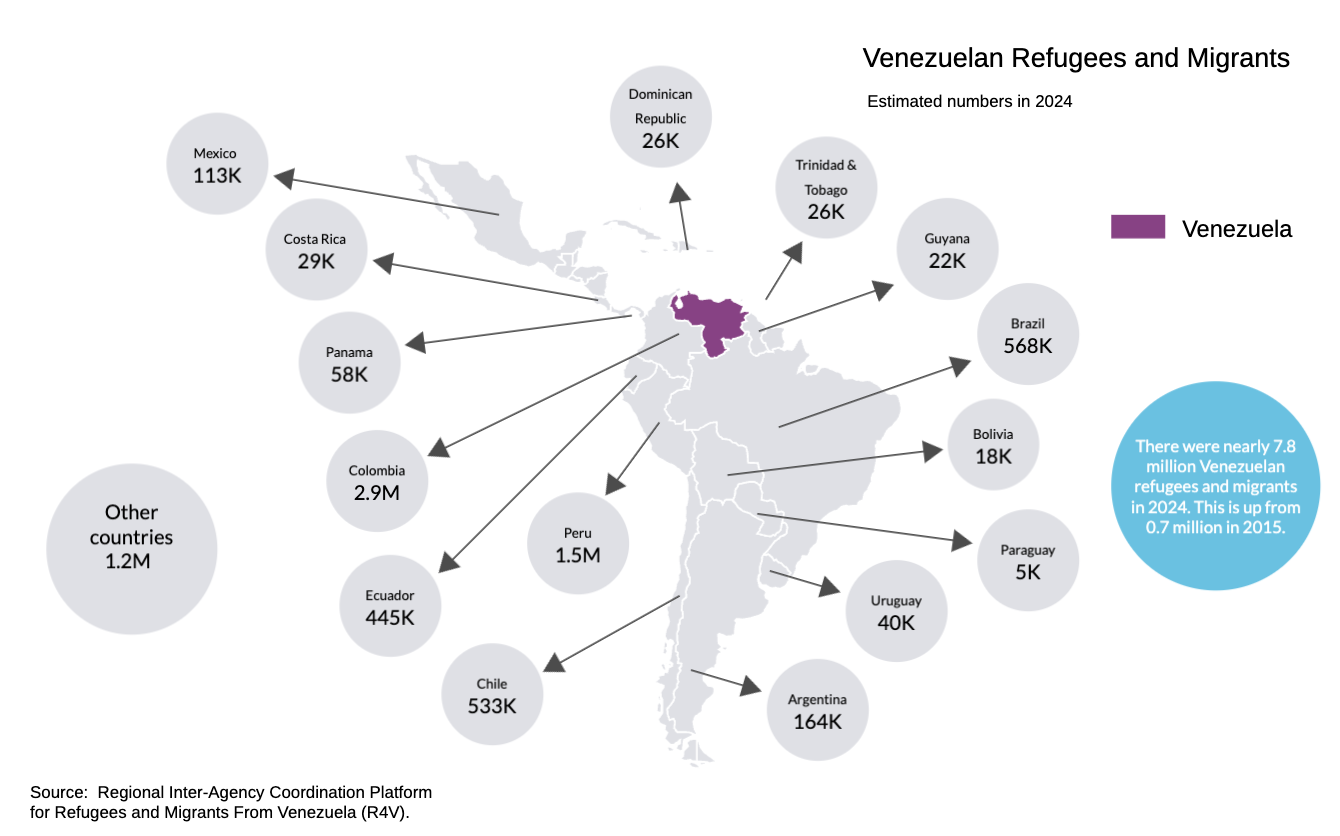
Almost eight million Venezuelans have fled the crisis since 2014. Colombia is home to almost three million of them.
Almost eight million Venezuelans have fled the crisis since 2014. Colombia is home to almost three million of them.

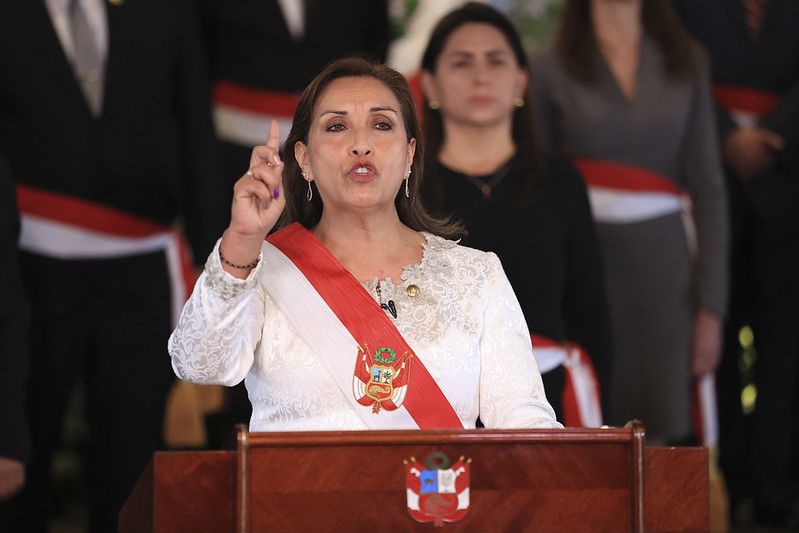
Peruvian president Dina Boluarte has cracked down on Venezuelan immigration. (Presidencia Perú / Flickr CC 2.0)
Peruvian president Dina Boluarte has cracked down on Venezuelan immigration. (Presidencia Perú / Flickr CC 2.0)

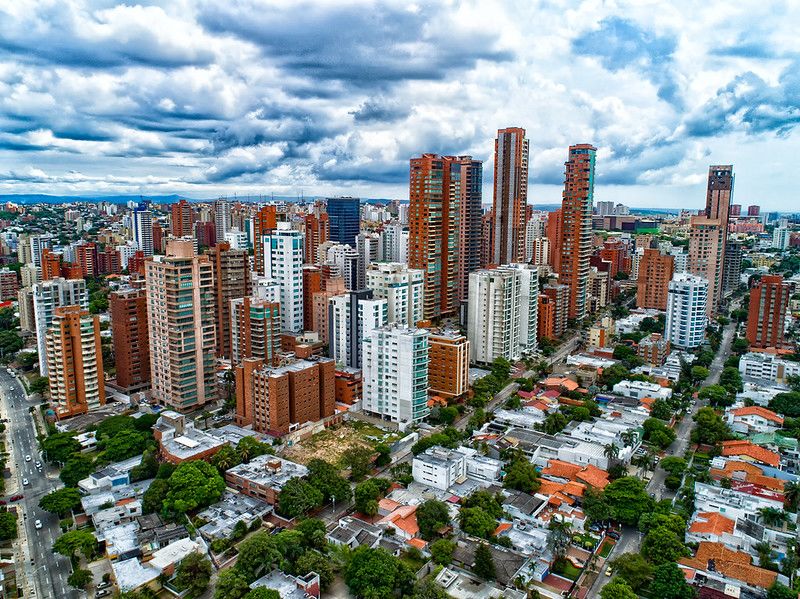
Barranquilla, Colombia. (Fernando Orozco / Flickr CC 2.0)
Barranquilla, Colombia. (Fernando Orozco / Flickr CC 2.0)
In other countries, the system isn’t as welcoming. Ecuador, Brazil and Chile, for example, all offer Venezuelans temporary residency visas, but these only last two years. In 2024 Peru tightened its immigration requirements. Venezuelans now need a valid passport and a visa before entering the country, essentially closing the border to many desperate migrants.
In Colombia Venezuelans can get help from public institutions. Professor Lina Gaviria runs the free legal advice clinic at the University of Antioquia, Medellín.
“Most Venezuelans come to us for advice on how to become regularised,” she said.
Lina explained: “However, some of them left Venezuela under such traumatic conditions, their lives were threatened, that we check if they can apply for refugee status or political asylum.”
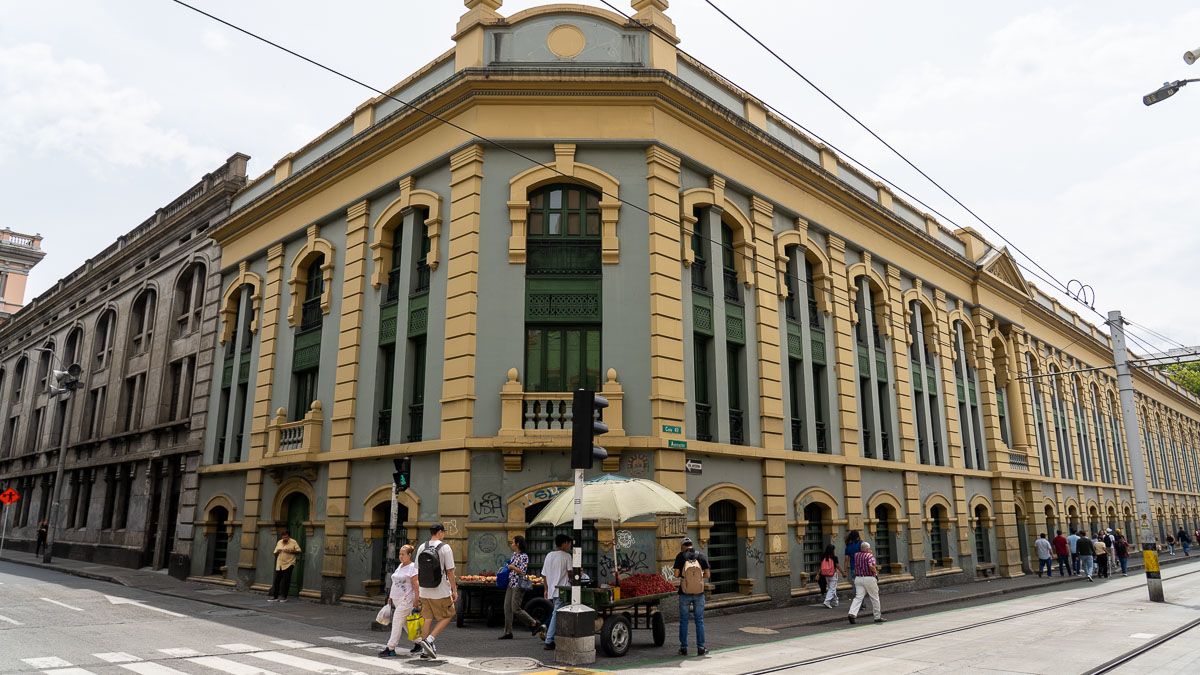
The University of Antioquia legal building, Medellín.
The University of Antioquia legal building, Medellín.
There’s also a strong sense of duty among Venezuelans to help each other.
Juan Viloria is the vice president of Venezuelans In Barranquilla, a non-profit organisation run by Venezuelan immigrants for immigrants in Barranquilla, a city close to Santa Marta.
Among other projects, they run a community canteen.
Juan said: “Every week we serve food to people in vulnerable situations without access to basic services in sectors taken over by micro-trafficking and delinquency.”
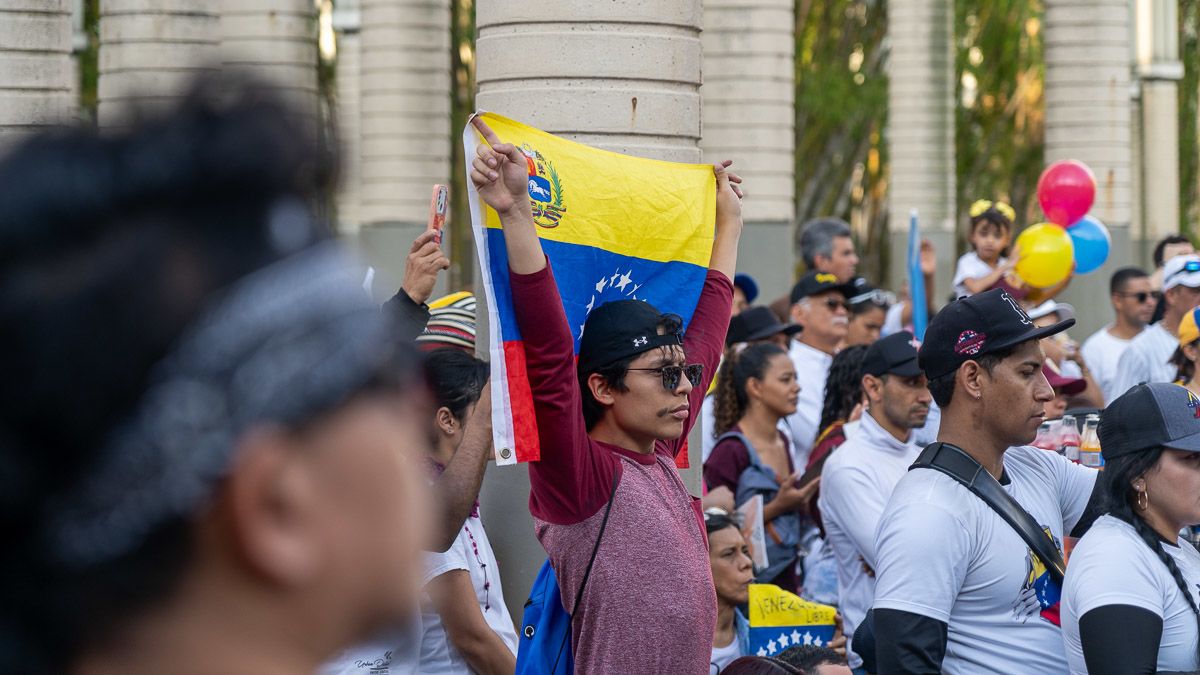
A peaceful Venezuelan rally in Medellín, August 2024, to protest the fraudulent July 2024 election result in Venezuela.
A peaceful Venezuelan rally in Medellín, August 2024, to protest the fraudulent July 2024 election result in Venezuela.
But not everyone is happy about Venezuelan immigration
While Colombia has welcomed Venezuelans, some blame them for increased crime. Heliana said: “Some say we are thieves, drug dealers, and hookers – I’m none of those things.”
In fact, evidence suggests that Venezuelans have little impact on crime in Colombia. And studies say that they benefit the economy.

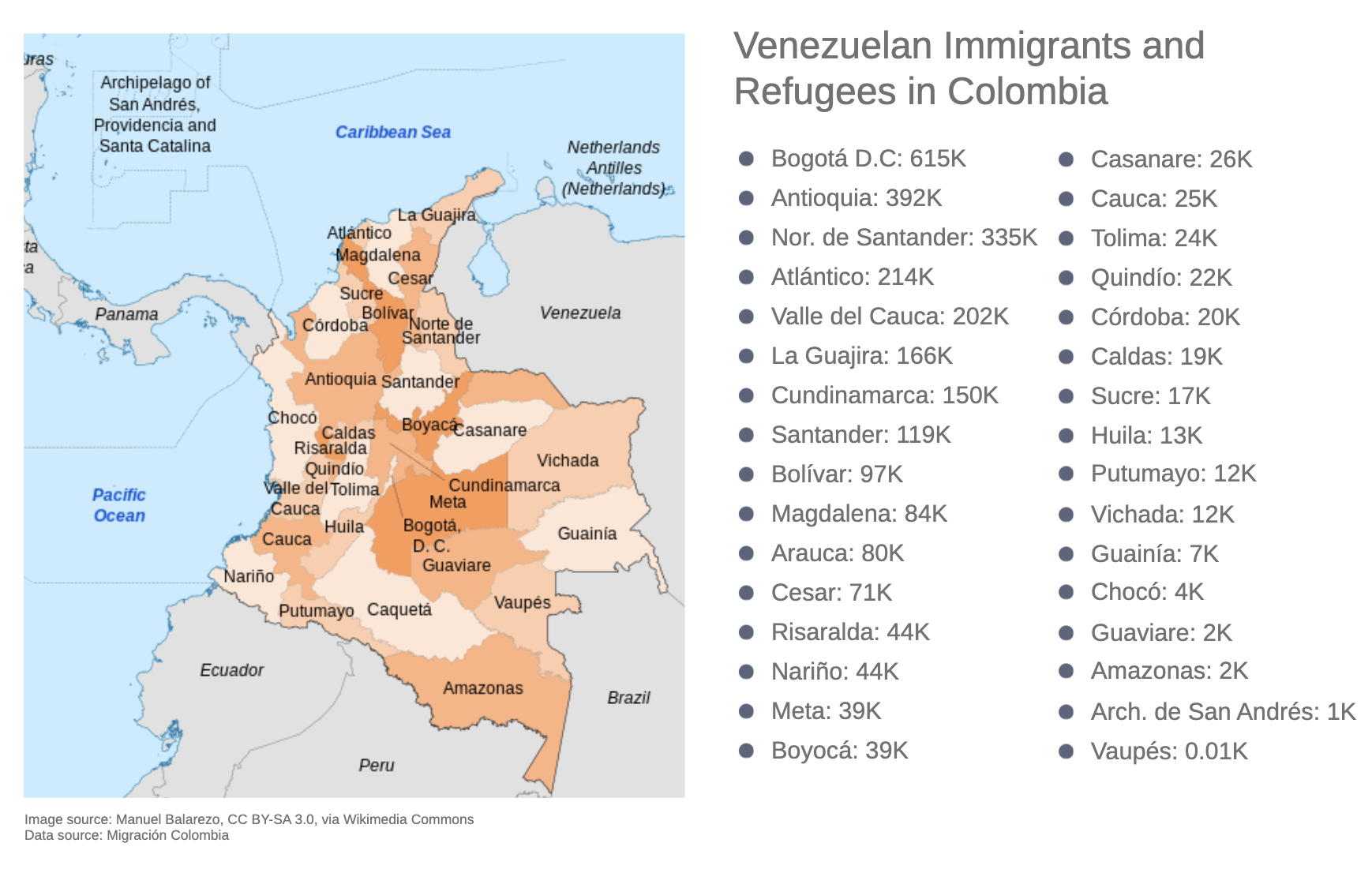
Venezuelans have immigrated to every state within Colombia.
Venezuelans have immigrated to every state within Colombia.
However, some Venezuelans are forced into a life of crime by Colombians. Combos, criminal gangs that control the flow of drugs and arms in cities like Medellín, recruit immigrants.
“If they don’t join, then they’re forced to leave their neighbourhood,” said Lina Gaviria.
“So, along with being a migrant, they [Venezuelans] become victims of Colombian internal armed conflict,” she added.
Xenophobia is another challenge Venezuelans face in Colombia, and it’s a growing attitude amid increasing numbers of immigrants.
Gabriela Gamez said: “Some blame us for taking jobs from Colombians.”
“It’s usually young people who say these things, but they don’t know about when Colombians migrated to Venezuela,” she explained. Colombia has a history of internal armed conflict that previously caused mass migration in the opposite direction.
And recently, there’s been a shift in political attitudes towards Venezuelans. Current Colombian president, Gustavo Petro, has come under fire from refugee organisations for stalling the ETPV programme, casting doubts on the security of Venezuelans’ futures in the country.

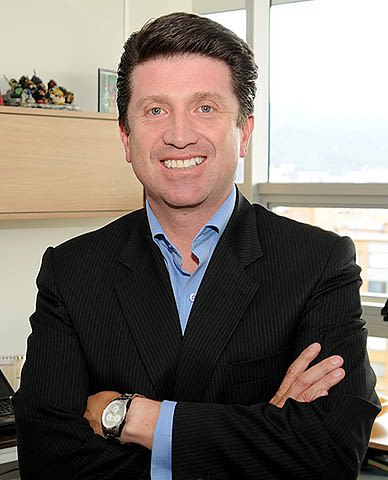
Diego Molano, former Colombian defence minister, previously stated during a political campaign that he wanted to build a prison for Venezuelans "who today steal, rob and consider that Colombian law does not apply to them". (Zhyler - Concejo de Bogotá CC 4.0)
Diego Molano, former Colombian defence minister, previously stated during a political campaign that he wanted to build a prison for Venezuelans "who today steal, rob and consider that Colombian law does not apply to them". (Zhyler - Concejo de Bogotá CC 4.0)
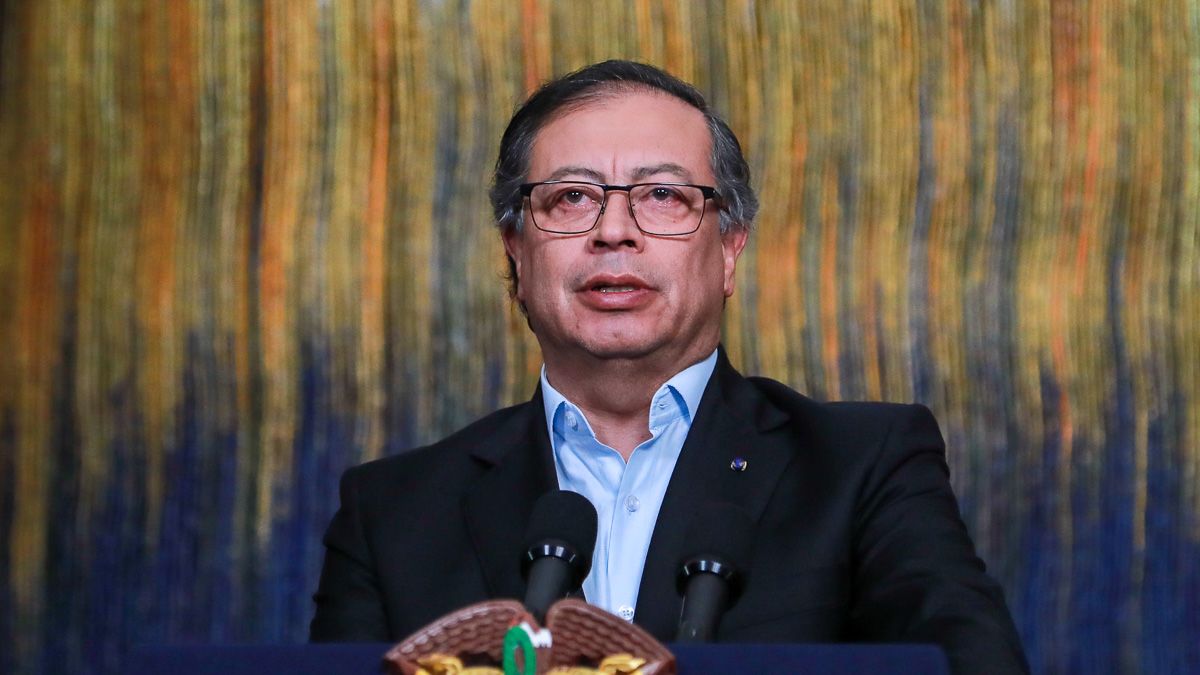
President Gustavo Petro has put a halt to Venezuelan naturalisation. (Fotografía oficial de la Presidencia de Colombia / Flickr CC 1.0).
President Gustavo Petro has put a halt to Venezuelan naturalisation. (Fotografía oficial de la Presidencia de Colombia / Flickr CC 1.0).
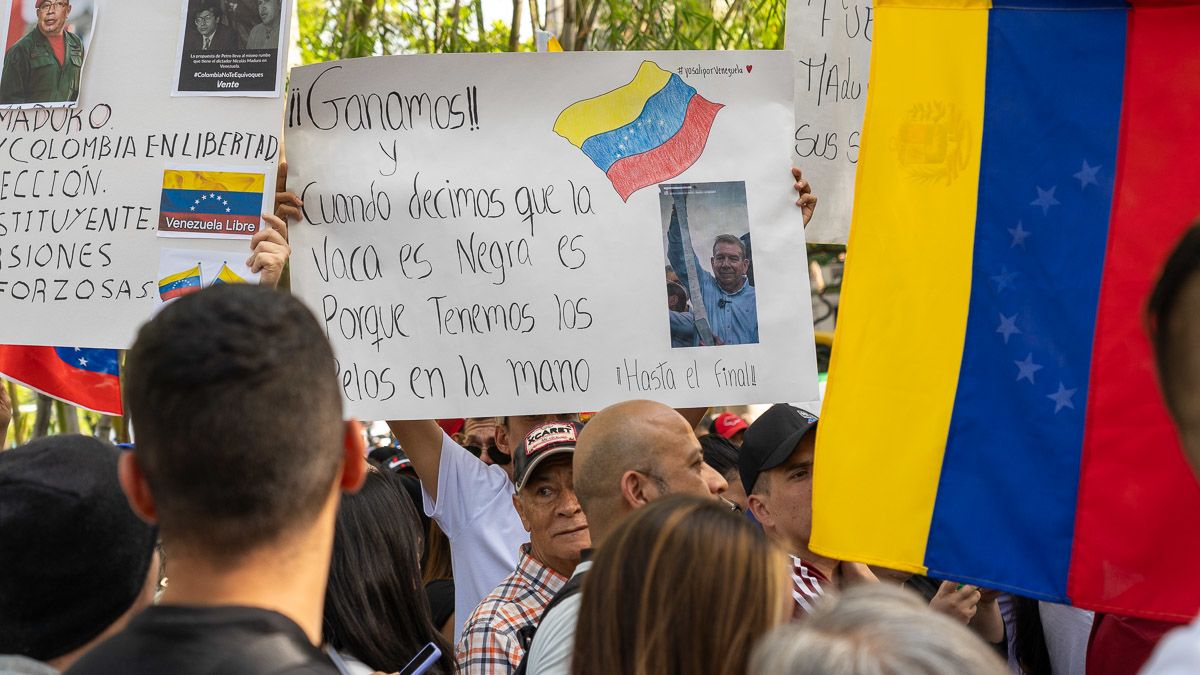
Venezuelans in Medellín protest the fraudulent July 2024 election result.
Venezuelans in Medellín protest the fraudulent July 2024 election result.

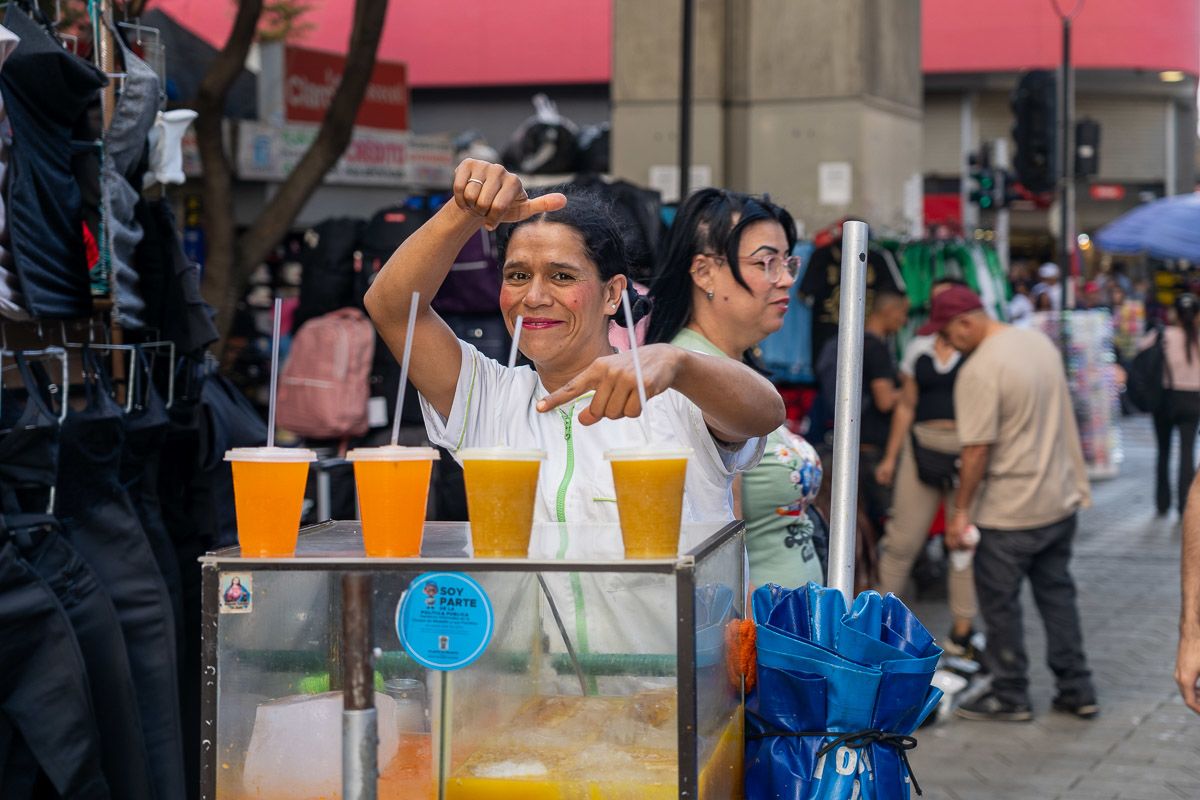
Venezuelans often sell homemade goods like fresh juice drinks. Medellín, August 2024.
Venezuelans often sell homemade goods like fresh juice drinks. Medellín, August 2024.
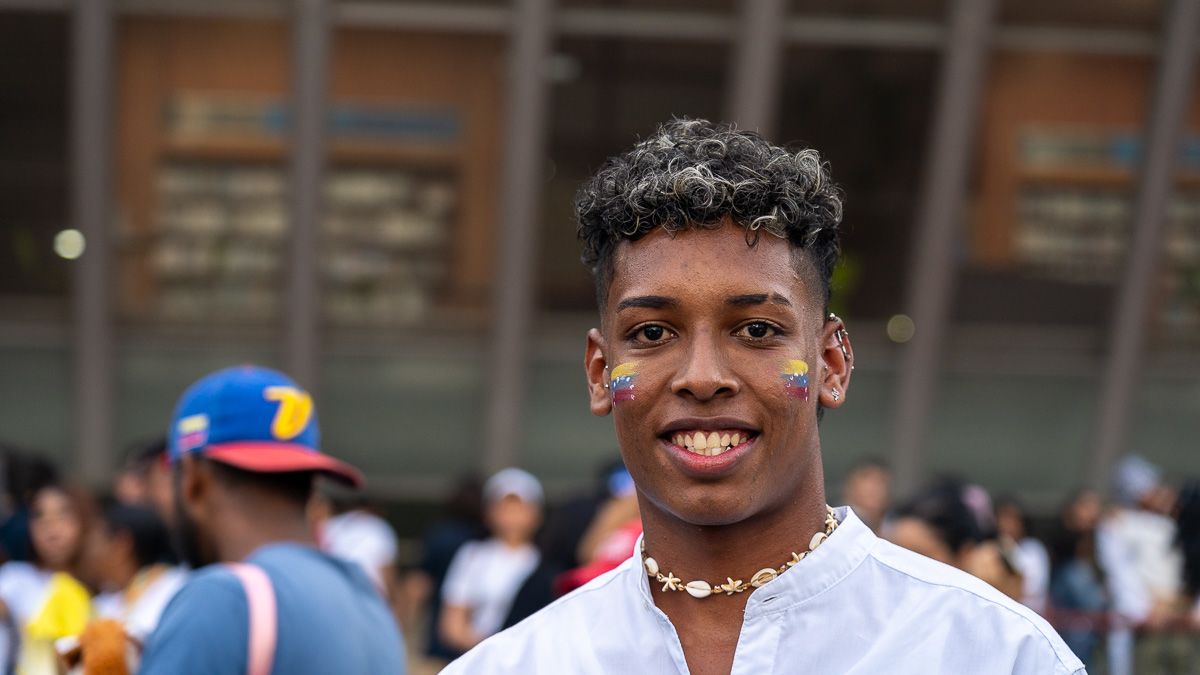
The younger generations continue to fight for Venezuela's freedom. Medellín, August 2024.
The younger generations continue to fight for Venezuela's freedom. Medellín, August 2024.
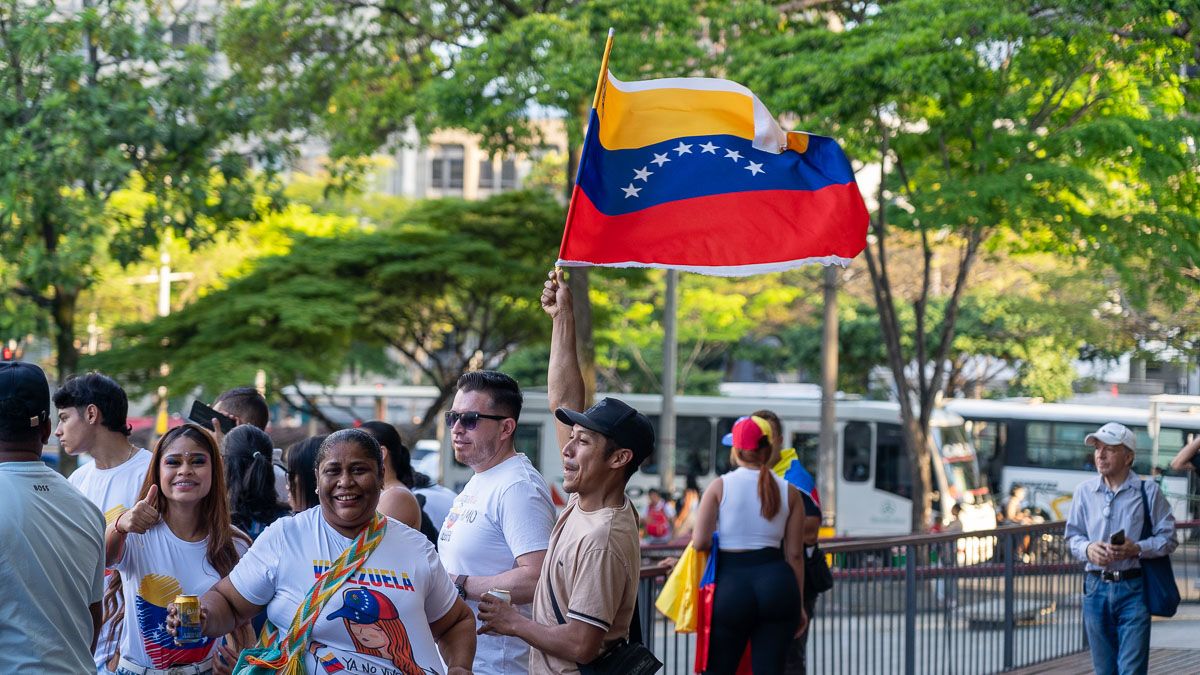
Venezuelans in Colombia remain optimistic about the end of the regime. Medellín, August 2024.
Venezuelans in Colombia remain optimistic about the end of the regime. Medellín, August 2024.
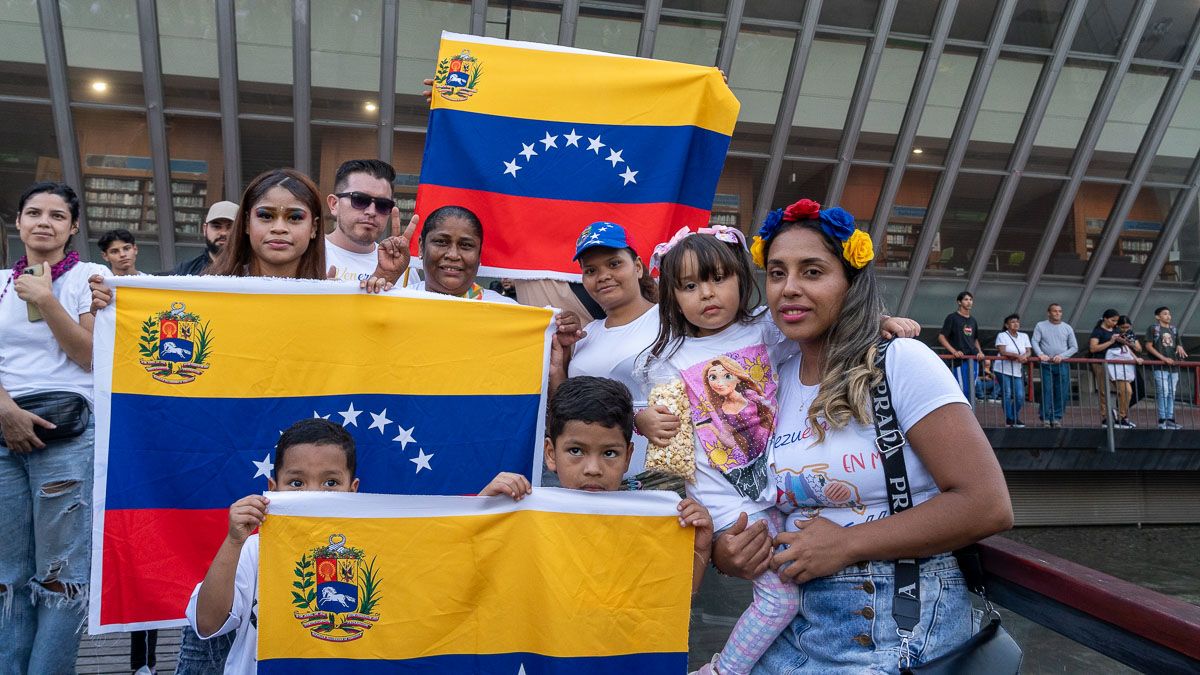
The crisis in Venezuela affects all generations. Medellín, August 2024.
The crisis in Venezuela affects all generations. Medellín, August 2024.
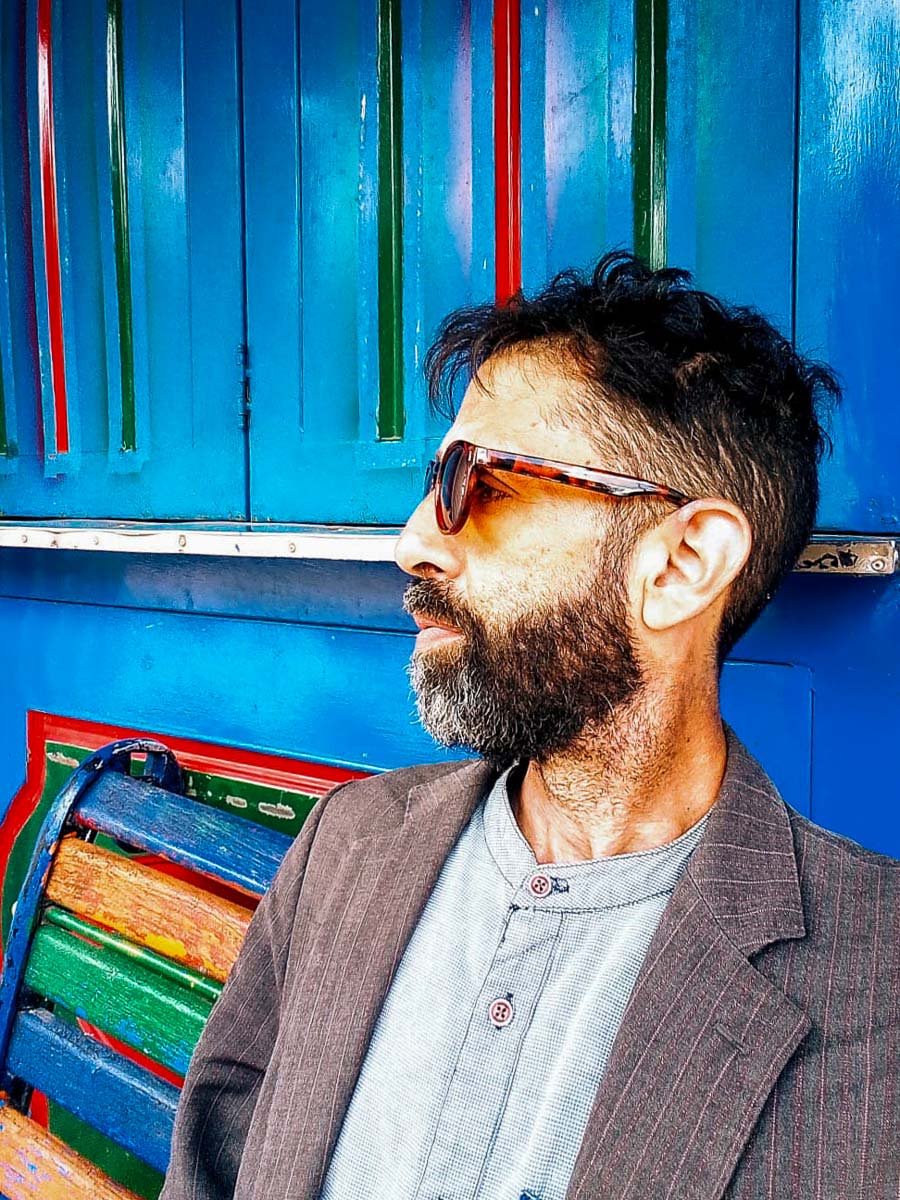
Daniel Ioro has faced many issues since arriving in Colombia. For some Venezuelans, Colombia hasn't been the haven they were hoping for.
Daniel Ioro has faced many issues since arriving in Colombia. For some Venezuelans, Colombia hasn't been the haven they were hoping for.
Daniel fled political persecution
Daniel Iorio, a 49-year-old stand-up comedian and voice actor, is one such Venezuelan whose future in Colombia is uncertain. He continues to struggle to rebuild the life he left in Venezuela under traumatic conditions in 2017.

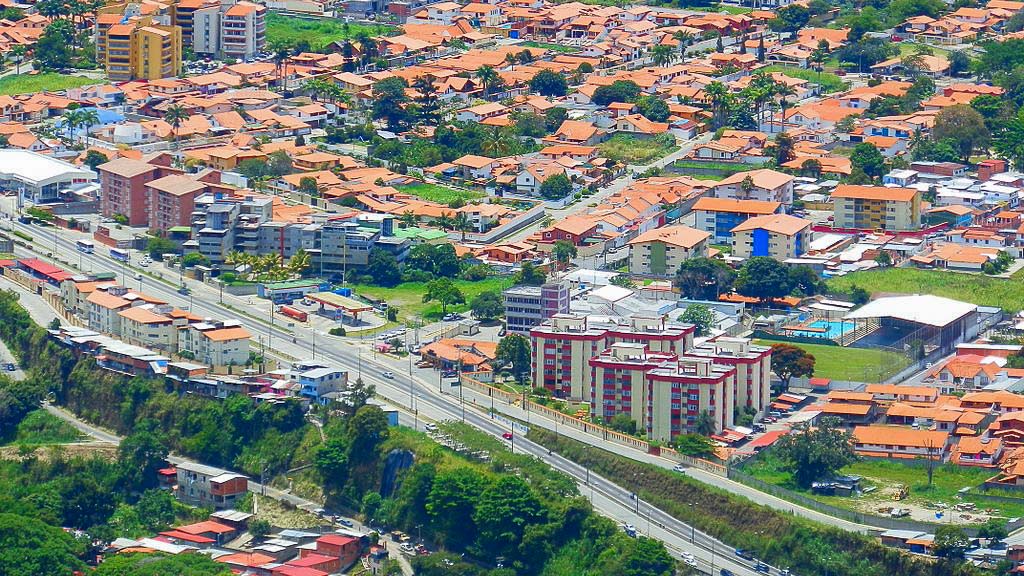
Merída, in north-western Venezuela, where Daniel lived. (George Miquilena CC 3.0)
Merída, in north-western Venezuela, where Daniel lived. (George Miquilena CC 3.0)
That year, Daniel put on a controversial stand up show in his city, Mérida called ‘Don’t Worry, Nothing’s Gonna Turn Out Fine’.
“It was black humour, politically incorrect, with a lot of sarcasm and cynicism,” explained Daniel.
He added: “I denounced in a funny way the atrocities of the Maduro and Chávez regime.”
Daniel didn’t promote the show beforehand knowing it would be dangerous. However, during the performance, audience members uploaded stories to social media, unintentionally putting a target on his back.
A media law passed by Maduro’s regime the same year banned people from sharing digital content that “promotes fascism, intolerance or hate … on social media or digital platforms”. The “Law against hate, for peaceful coexistence and tolerance” is supposed to protect citizens, but human rights groups have said it was a move to stamp out dissent.
It wasn’t long before the authorities came for Daniel.
“I was arrested and locked away in an isolated room somewhere in a remote part of the city.
“It looked like somewhere where kidnappings and tortures took place,” he said.
While detained, the authorities took Daniel’s computer, phone and notebooks from his apartment.
“They deleted and destroyed everything I had done – presentations and videos of all my shows,” he said.

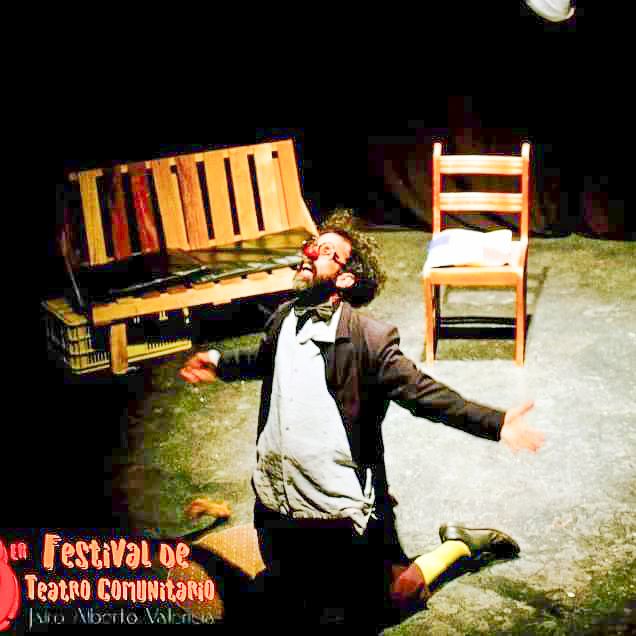
Daniel was a successful artist in Venezuela before he was persecuted by the regime.
Daniel was a successful artist in Venezuela before he was persecuted by the regime.
Daniel was now an enemy of the state and knew he’d been “blacklisted”. Upon his release, he quickly made plans to leave the country, saying goodbye to his two children, who stayed with their mother, Daniel’s ex-wife.
He crossed the border into Cúcuta, a small city in the north-east of Colombia.
“I was hidden in a friend’s car,” said Daniel.
Having previously been detained by the regime, he couldn’t take the risk of the Venezuelan border officials checking his credentials against the system. Daniel could’ve been detained again and had his passport destroyed.
From Cúcuta, he travelled to Bogotá, Colombia’s capital, to start his new life.
However, almost eight years later and despite having a 10-year residency card, Daniel is living in a hostel in Guatapé, near Medellín, making whatever money he can giving informal classes in theatre and Italian.
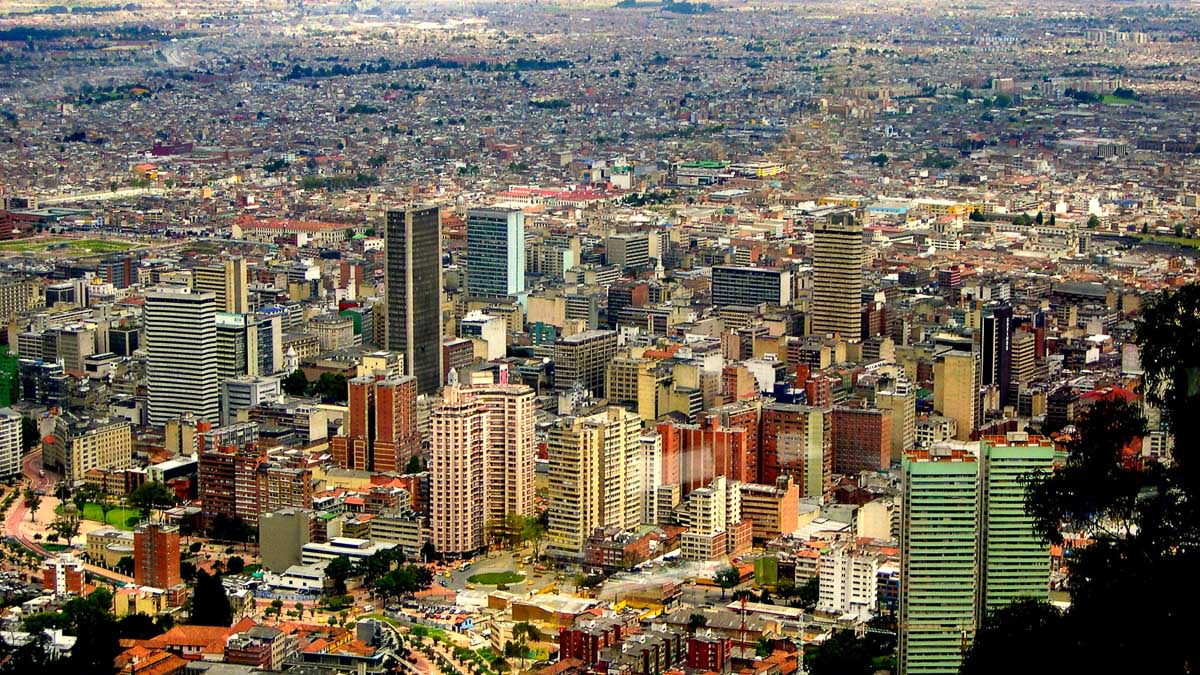
Bogotá, where Daniel first arrived in Colombia hoping to start over. (Stephen Downes / Flickr CC 2.0)
Bogotá, where Daniel first arrived in Colombia hoping to start over. (Stephen Downes / Flickr CC 2.0)
After several moves to find stability, including three years in Medellín, unemployment and poverty are staples of his situation.
“It’s difficult because each day brings the same challenges.
“If I send money home, or buy food, I can’t pay the hostel and vice versa.
“Somehow, I manage to pay my way, but just about…” said Daniel.
While in Medellín Daniel met another Venezuelan comedian who had escaped the crisis. They got into a relationship and had a child.
Finding accommodation for the family became a priority. The couple had to look beyond the city, to Santa Elena, a small town two hours away.
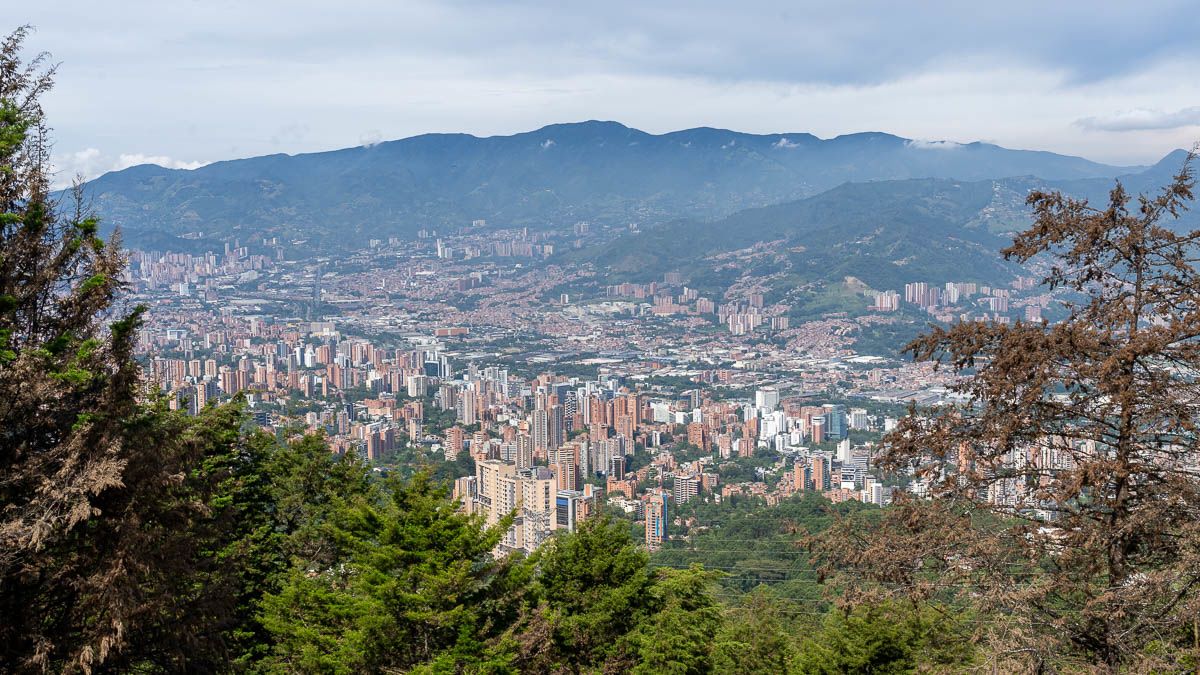
Medellín, Colombia. Daniel struggled to make ends meet here for three years.
Medellín, Colombia. Daniel struggled to make ends meet here for three years.
In Santa Elena they secured a house thinking they had an affordable long-term home to raise their child. But after a few months, the landlord destroyed this future.
“Someone from the US came with more money and wanted to live in the house.
“We were given five days to leave,” said Daniel.
The eviction made the family homeless, but Daniel’s partner’s sister, in Medellín, opened her home to them. However, she fell pregnant shortly after. Daniel knew he couldn’t stay there long term and moved to his current location.
Since leaving his partner in Medellín, Daniel’s relationship has deteriorated. Now, communication with both his child in Colombia and his children back home is minimal.
“The regime will threaten you by going after your family to force you to return to Venezuela.
“It happened to someone I know, so I’m not in contact too often with my kids at home,” said Daniel.

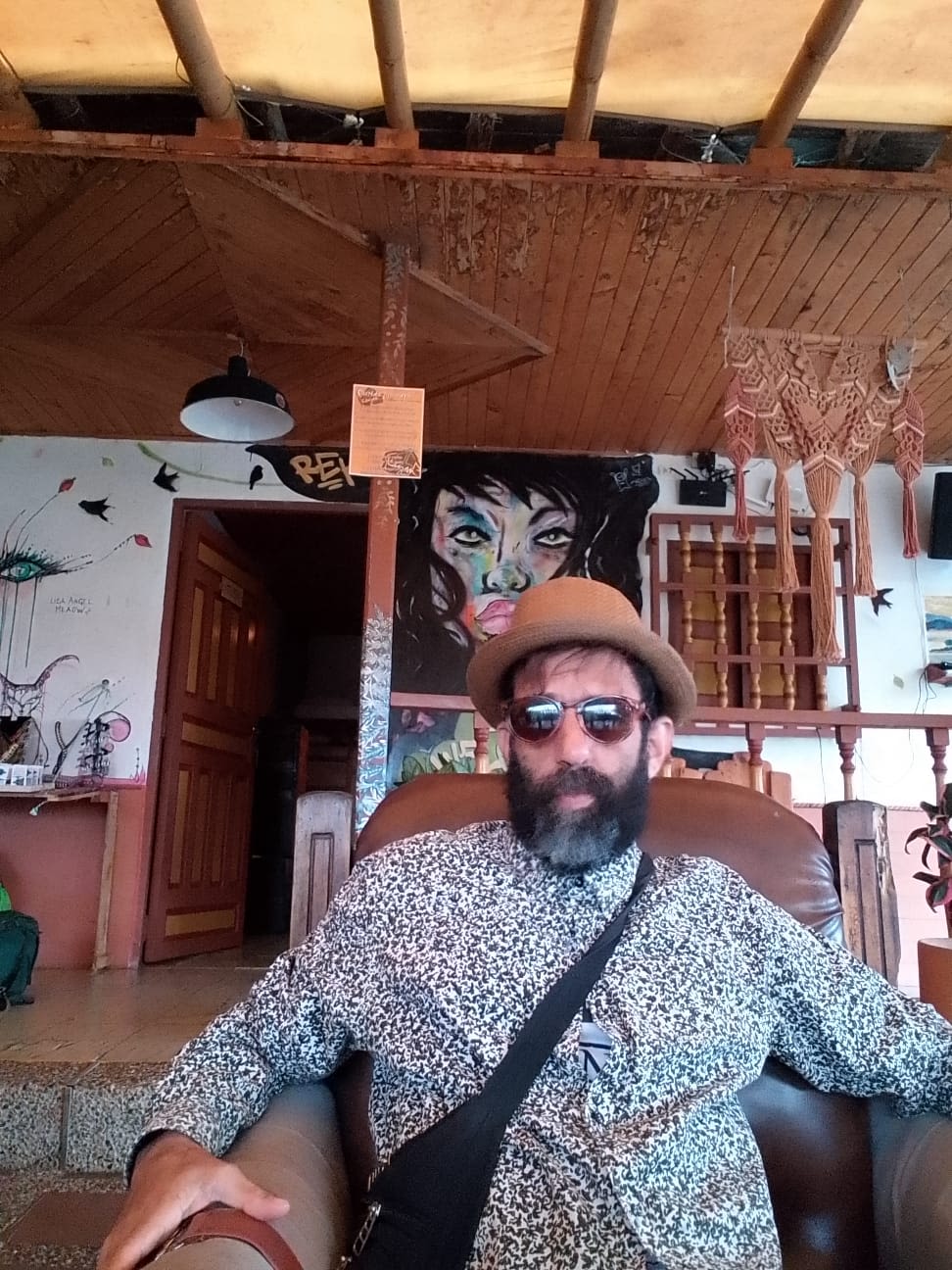
The road ahead for Daniel is uncertain, but he remains resilient and hopeful.
The road ahead for Daniel is uncertain, but he remains resilient and hopeful.
The future for Venezuelans in Colombia
The crisis in Venezuela is far from over. Nicolás Maduro is set to remain in power for at least another six years after ‘winning’ the July 2024 general election.
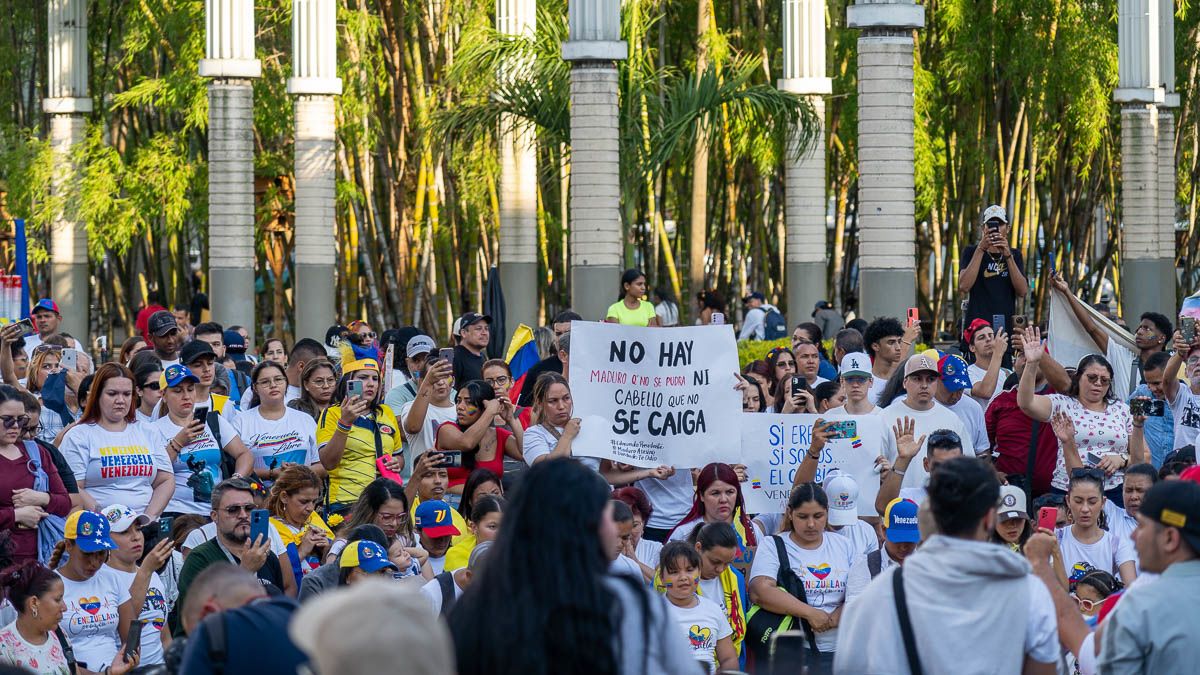
The sign reads: "There isn't a maduro (a type of vegetable) that doesn't rot or hair that doesn't fall out." The belief that, at some point, Nicolás Maduro's authoritarian rule will come to an end is strong.
The sign reads: "There isn't a maduro (a type of vegetable) that doesn't rot or hair that doesn't fall out." The belief that, at some point, Nicolás Maduro's authoritarian rule will come to an end is strong.
He defeated opposition leader and clear favourite, Edmundo González, in what the opposition and several countries have said was a fraudulent result. This shattered the hopes of millions of Venezuelans desperate for the regime to end.
“My plans have always been to return to Venezuela – I’ve never lost hope,” said Gabriela Gamez.
“It would be a dream to work for a Venezuelan airline and travel.
“Unfortunately, for now, that’s not a possibility because of what’s going on.
“Right now, I want to graduate as a cabin crew member, and work as much as I can to return to Colombia everything it’s given to me,” she said.
Heliana Duran said: “I would go back if I had the certainty that I’ll have a good basic income because I have three children to support.”
While hyperinflation has fallen drastically from the astronomical figures seen in 2018, over 50% of Venezuela’s population still lives in extreme poverty.
For Daniel Ioro, the future raises more questions. “Right now, I have no plans,” he said.
“Everything is uncertain, I don’t know where the money is going to come from or if I’ll move again.”
With no end in sight to the political, economic and humanitarian turmoil in Venezuela, what is certain is that Colombia will be home to millions of Venezuelan migrants for years to come.

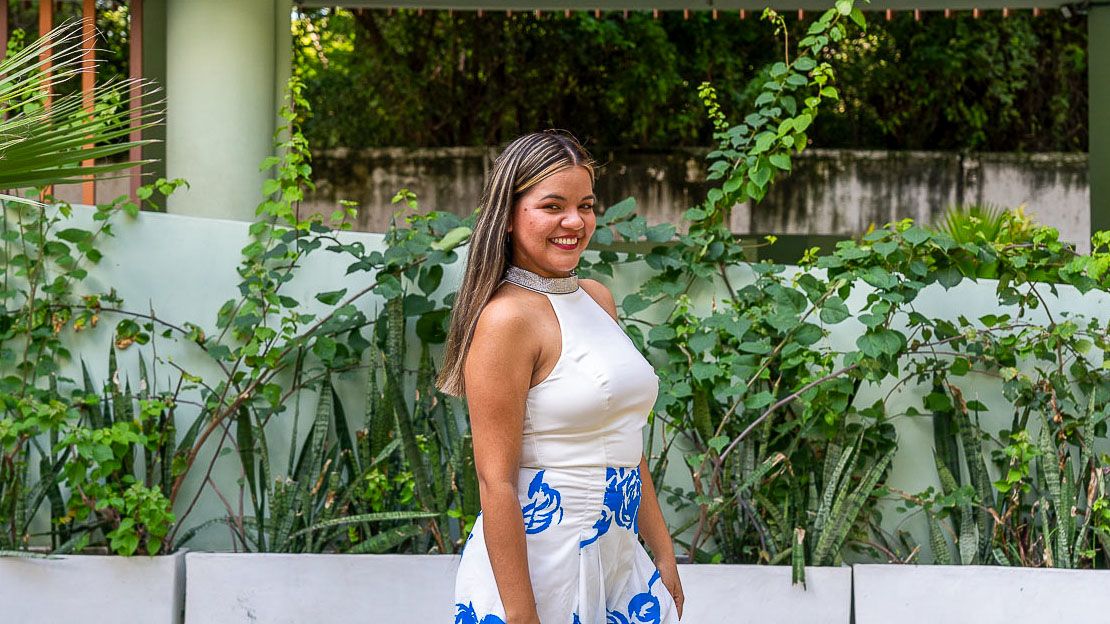
Gabriela dreams of returning to Venezuela. But for now, she is happy and grateful to be in Colombia.
Gabriela dreams of returning to Venezuela. But for now, she is happy and grateful to be in Colombia.
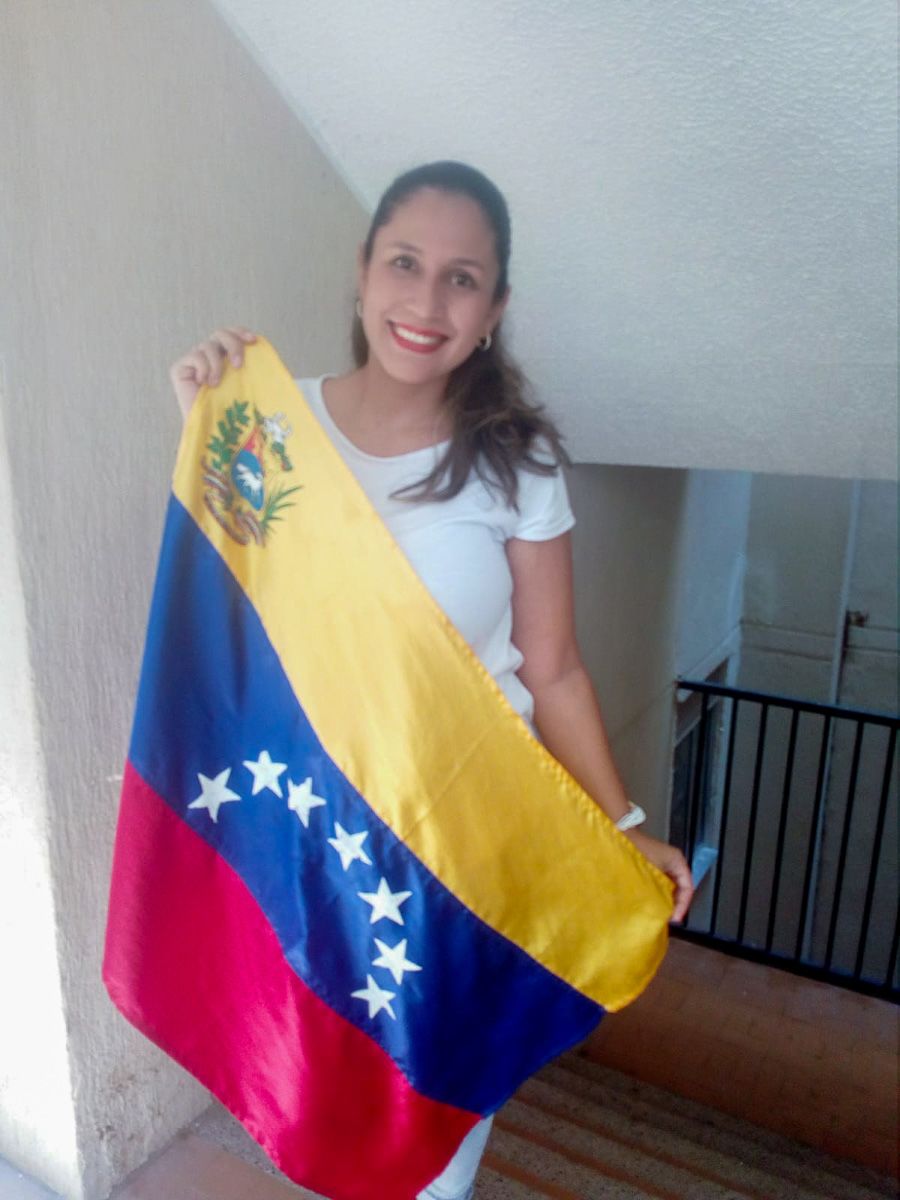
Heliana doesn't know if she'll return to Venezuela. Life in Colombia is good and her family joined her there a few years after she made the journey.
Heliana doesn't know if she'll return to Venezuela. Life in Colombia is good and her family joined her there a few years after she made the journey.

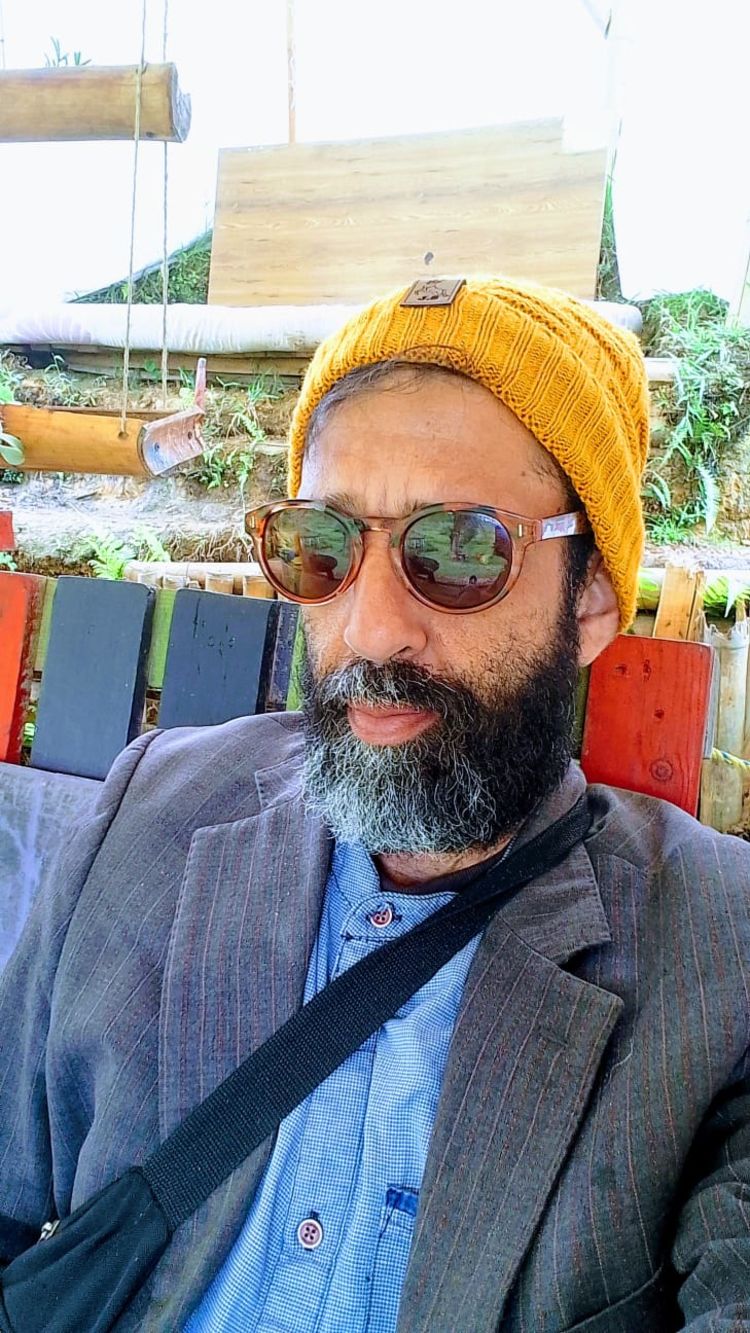
Daniel is focused on the here and now. His situation is uncertain, but he remains optimistic of what the future holds.
Daniel is focused on the here and now. His situation is uncertain, but he remains optimistic of what the future holds.
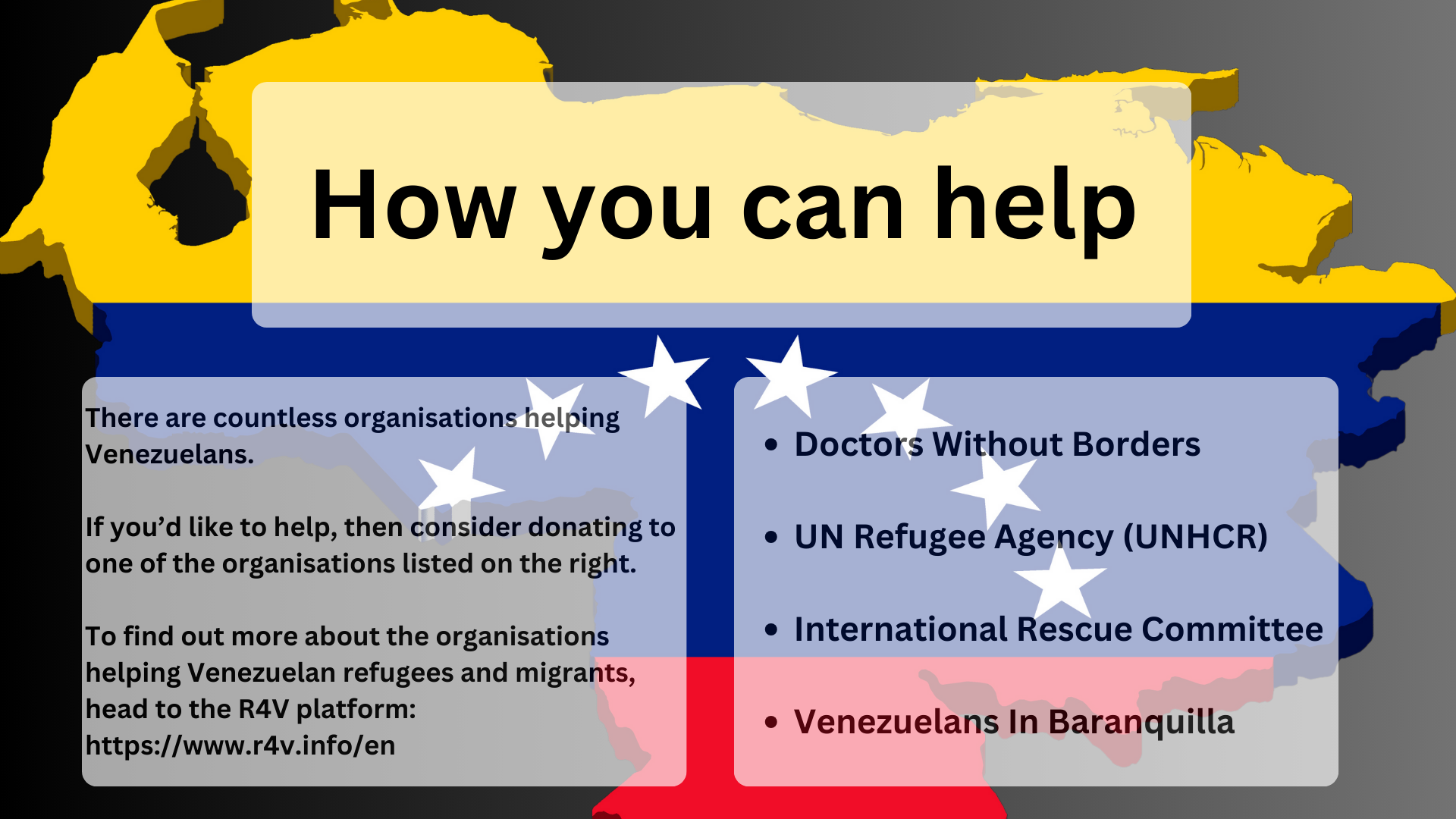
"We will stay in the streets until we have freedom for Venezuela"
Juan Guaidó - former acting president of Venezuela
 Built with Shorthand