“I don't feel safe”: Women face armed violence in Ecuador


Gina Solórzano remembers the first time she was threatened at gunpoint. She was 10 years old. Armed gunmen burst into the restaurant where she was eating with her family and stole everything.

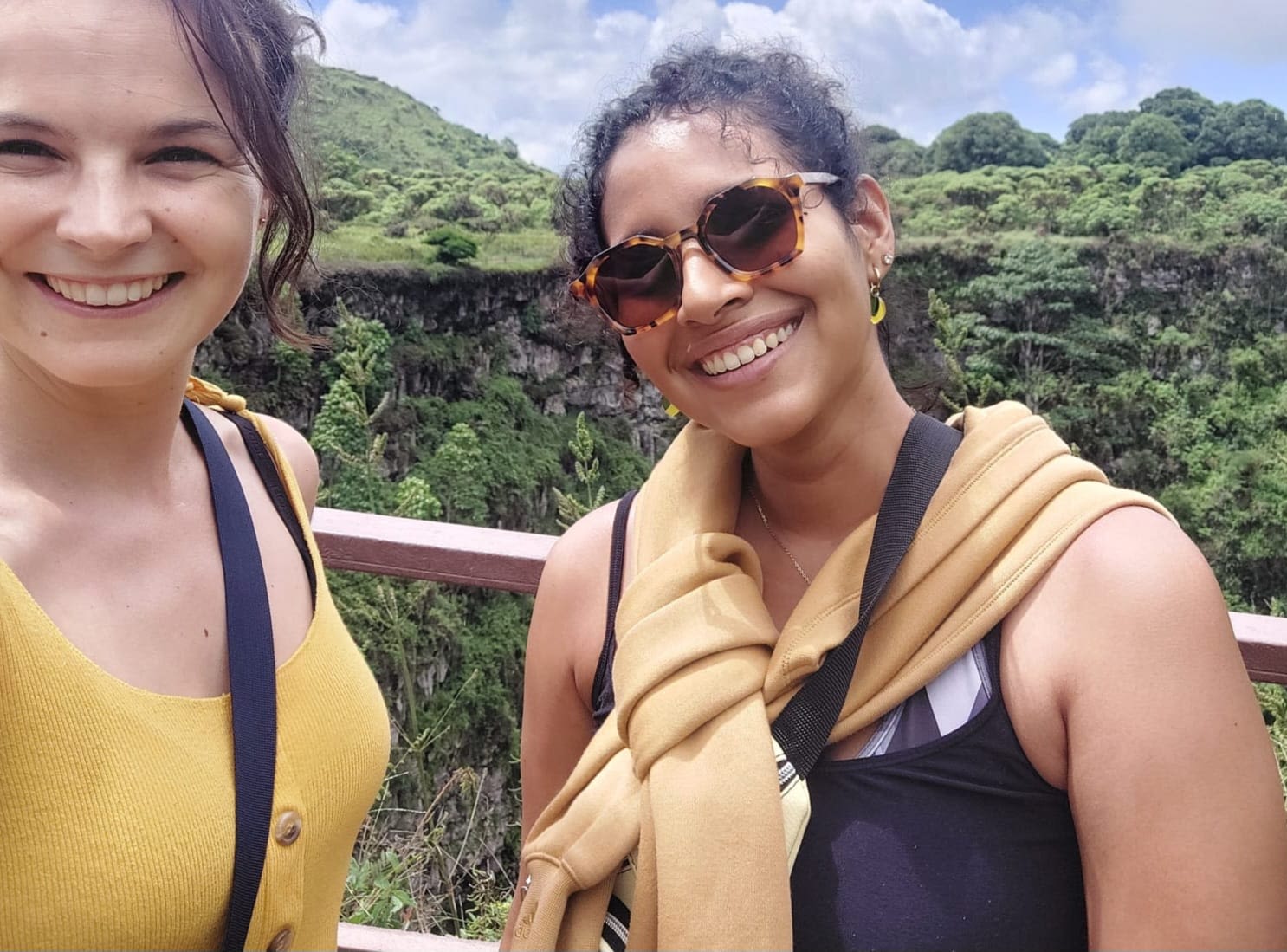
Violent crimes like this are becoming routine in Ecuador. Gina is from Guayaquil, one of the most violent cities in South America. In recent years, organised crime and gang violence has spiralled in the region. 2022 was particularly violent, with murders increasing by over 80% according to Insight Crime. The high homicide rate was mainly due to rivalry between gangs and drug trafficking. For women, the situation has become lethal; femicides and cases of women violently killed have shot up considerably.

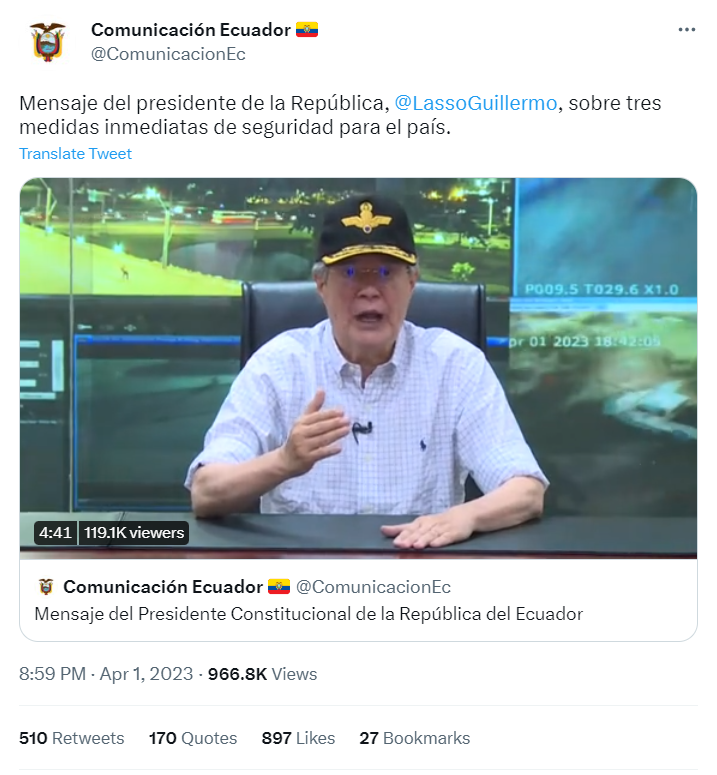

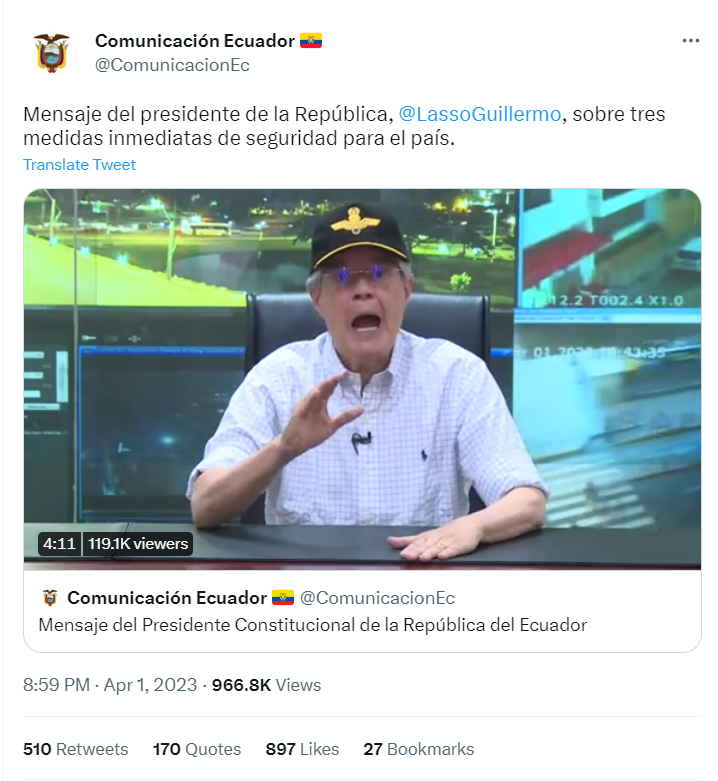
The Ecuadorian Government has declared a “crusade for security” in response to the increasingly volatile situation. Guillermo Lasso, President of Ecuador, recently permitted civilians to carry firearms for personal defence.
In a nation-wide address on April 1, 2023, Lasso said: “We have three common enemies: delinquency, narcotrafficking and organised crime. We will combat these with three urgent measures.” Notably, he introduced a decree that lifted a 12-year ban on civilians owning firearms. According to Lasso, these security measures will bring “peace and tranquillity” for Ecuadorian people.
For many women in Ecuador, the firearm decree aggravates an already dire situation. “I don’t feel safe,” said Gina, 27, from Guayaquil. She added: “This is one of the worst things they have ever done.”
Gina is worried that people will exploit the system and weapons will fall into the hands of abusers. Above all, she is concerned about friends who are in controlling or abusive relationships. “We are at a point where we feel vulnerable,” she said.

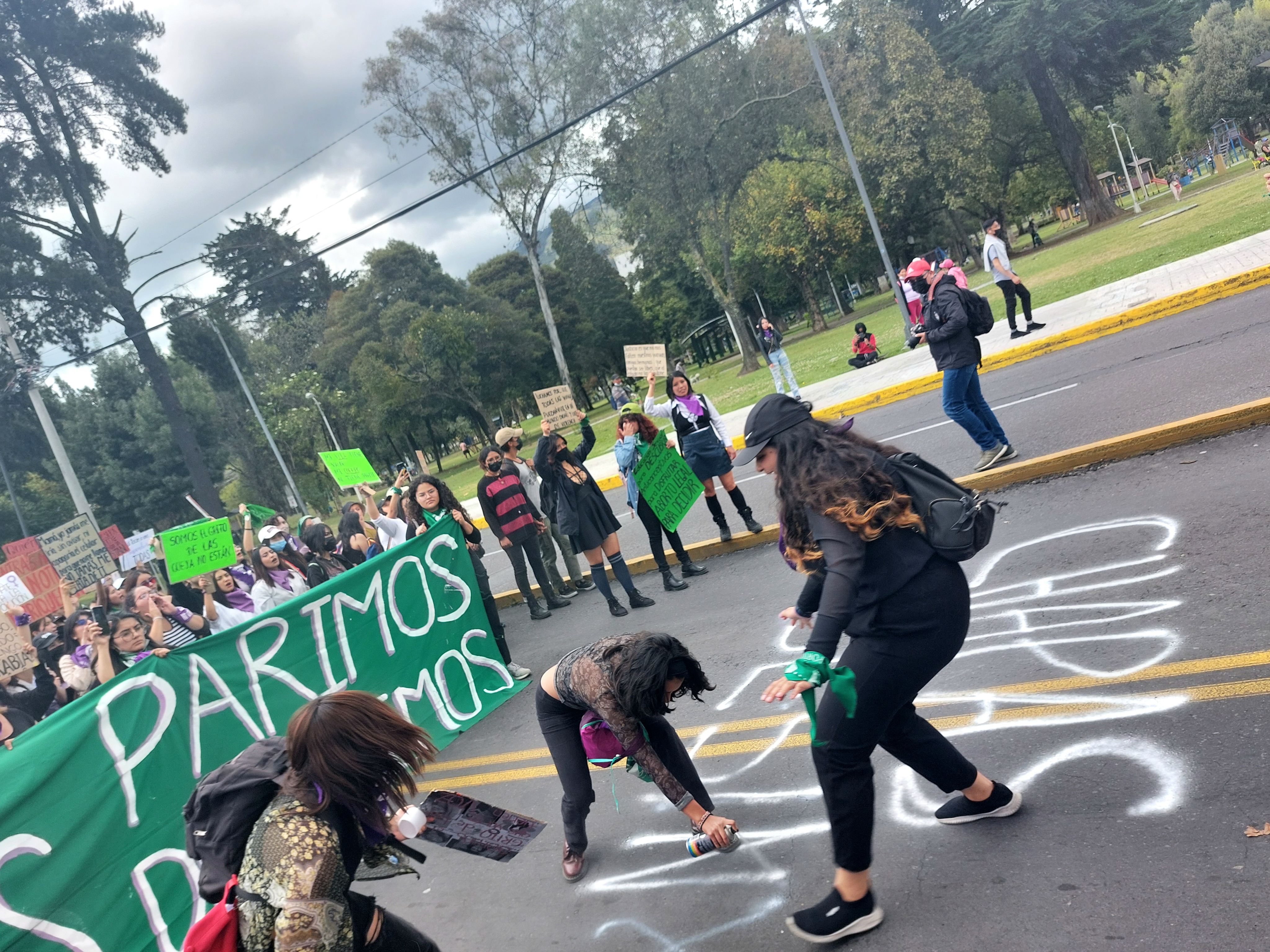
Women protest to end violence in Ecuador. Photo by Jessica Benjamin
Women protest to end violence in Ecuador. Photo by Jessica Benjamin
Ecuador’s approach is not unique. Brazil also loosened its firearm laws under Ex-President Jair Bolsonaro. Legal firearm purchases increased by 65% during his tenure. However, facilitating access to weapons did not reduce violence and crime in Brazil.
Lasso’s firearms decree has polarised public opinion and sparked debate across Ecuador. Many small business owners welcome the change because they now have a means to protect themselves. But others think that the security measures are adding fuel to the fire and will eventually lead to more violence.
Research by the World Health Organisation shows that women suffer disproportionately from firearms. Women are less likely to own weapons, but they are at higher risk of domestic violence, rape and other violent crimes because of their gender. Last year, firearms were used in one third of violent killings of women in Ecuador.
Many women's rights organisations have protested against the government's security measures. Protestors marched in Ecuador’s capital, Quito, calling for systematic change to combat crime and gender-based violence.

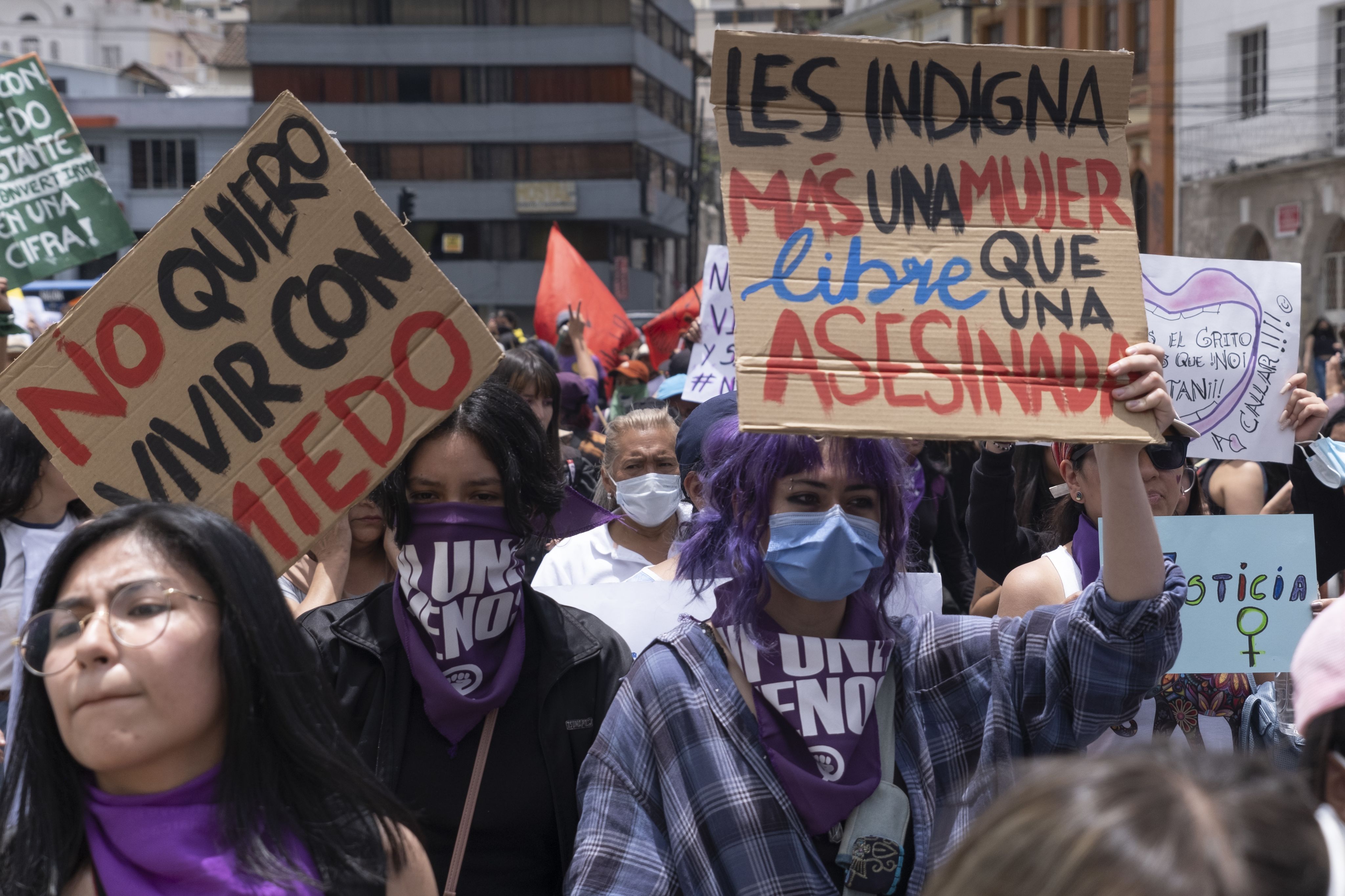

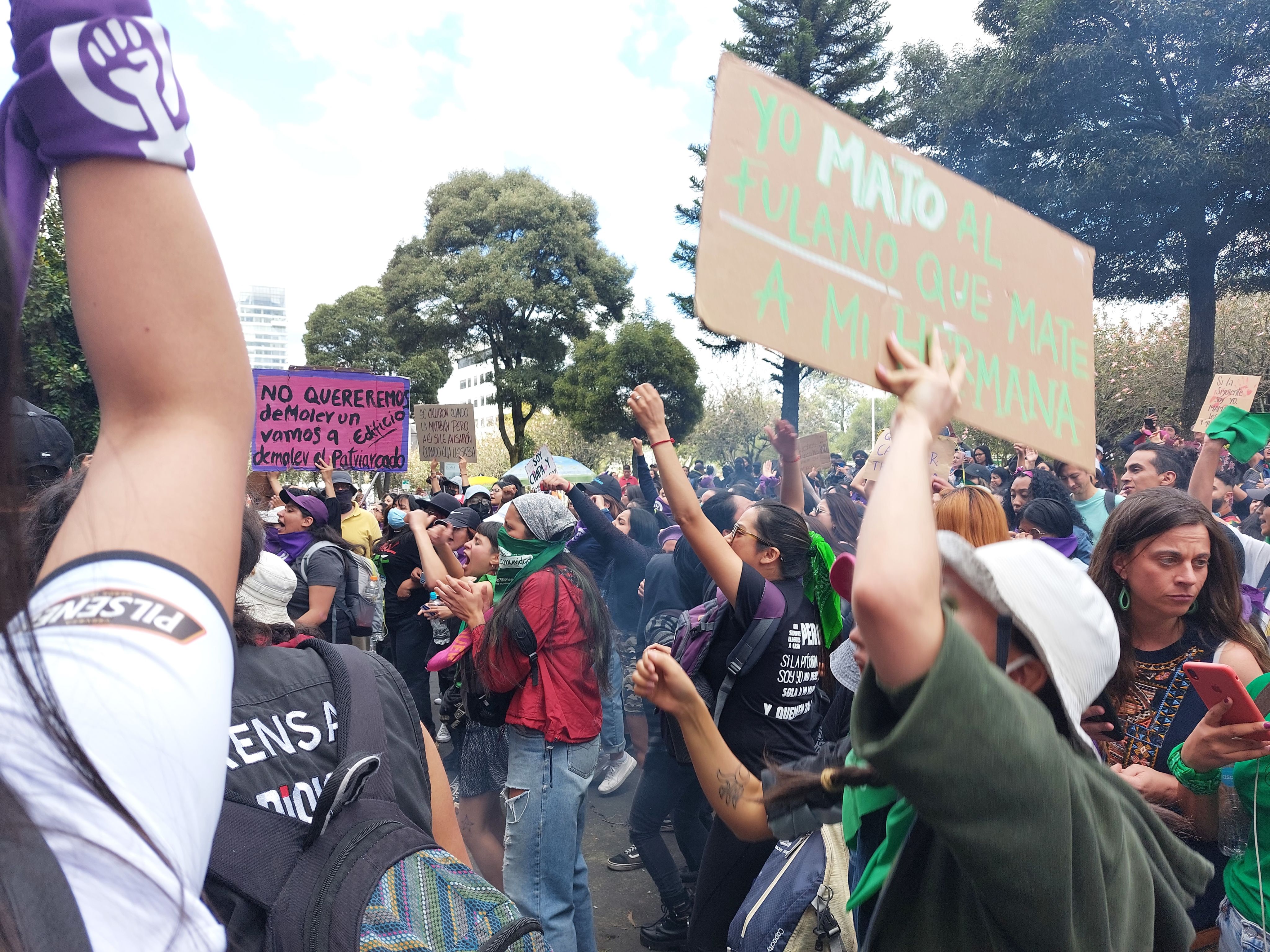
Lourdes Miranda is a lawyer and professor of human rights at Universidad de las Americas in Quito. In her view, violence in Ecuador is an entrenched problem that cannot be fixed with simple measures: “It’s like standing in a burning forest and all you can do is put out a single tree,” she said, adding: “When decisions are made about legal gun ownership, we must think about the situation for women.” She believes that the “real key” to eradicating violence is to rethink gender roles and stereotypes.
Gender-based violence is certainly not unique to Ecuador; women are suffering across the world. However, Lourdes thinks the situation has deteriorated in Ecuador since budgets for anti-violence programmes were cut significantly in 2017. In her opinion, this was a “backward step” for Ecuador. She said: “There needs to be a national agenda. We need to put gender equality at the forefront.”
To understand the current predicament for women in Ecuador, the professor said that the statistics “speak for themselves”. For every 100 women in Ecuador, 65 will have experienced violence in their lifetime, according to the United Nations.
This is even higher for Afro-Ecuadorian women, who have a 71.8% likelihood of experiencing violence. In the past few years, femicides and violent killings of women have been increasing. 2022 was a particularly deadly year; 413 women were violently killed.
For Lourdes, these numbers are just the “tip of the iceberg”. Beneath the surface, there are deep-rooted problems: “Women suffer violence because of systemic and structural discrimination. We live in a society where this type of behaviour is normalised,” she said.
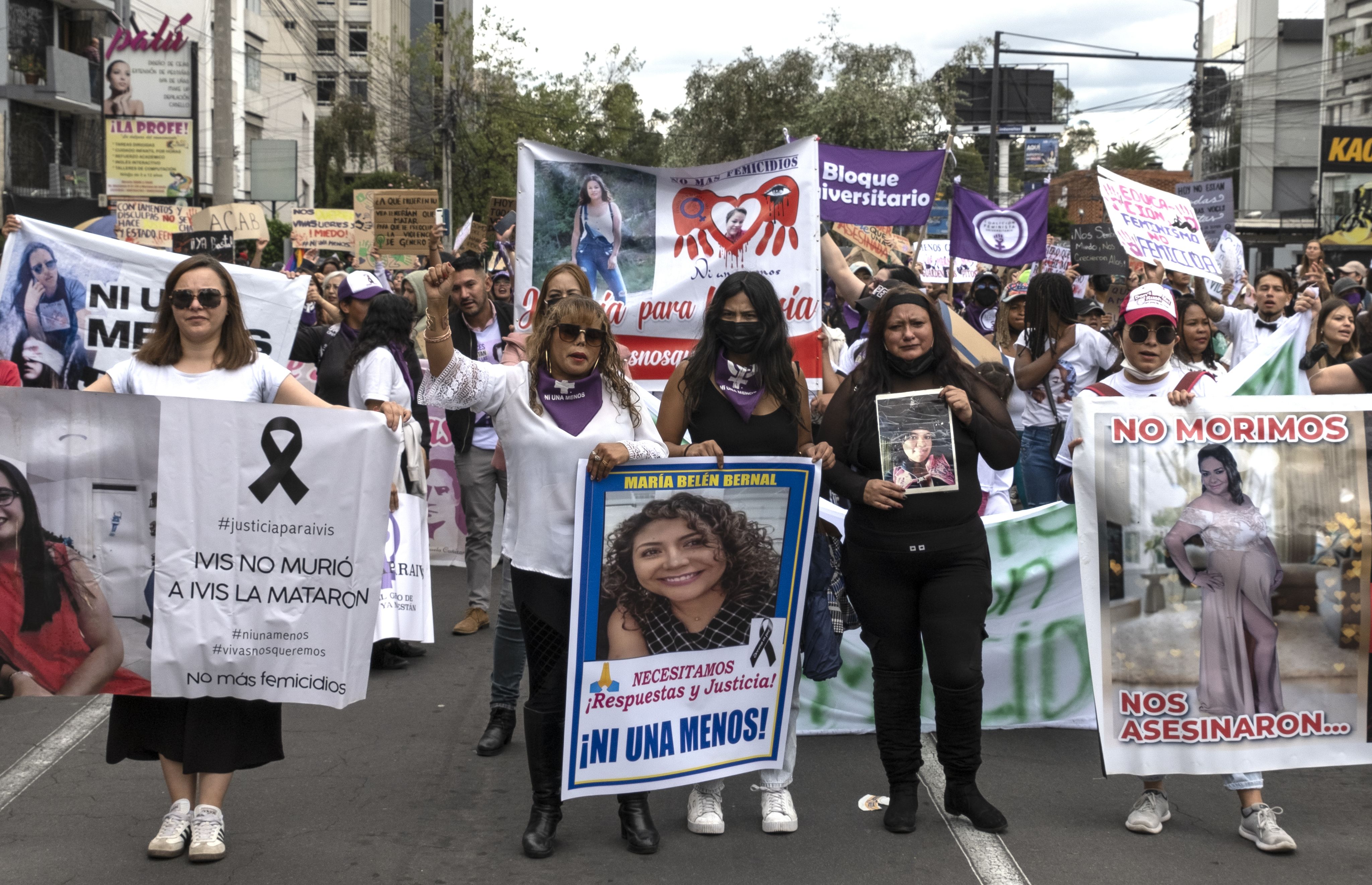
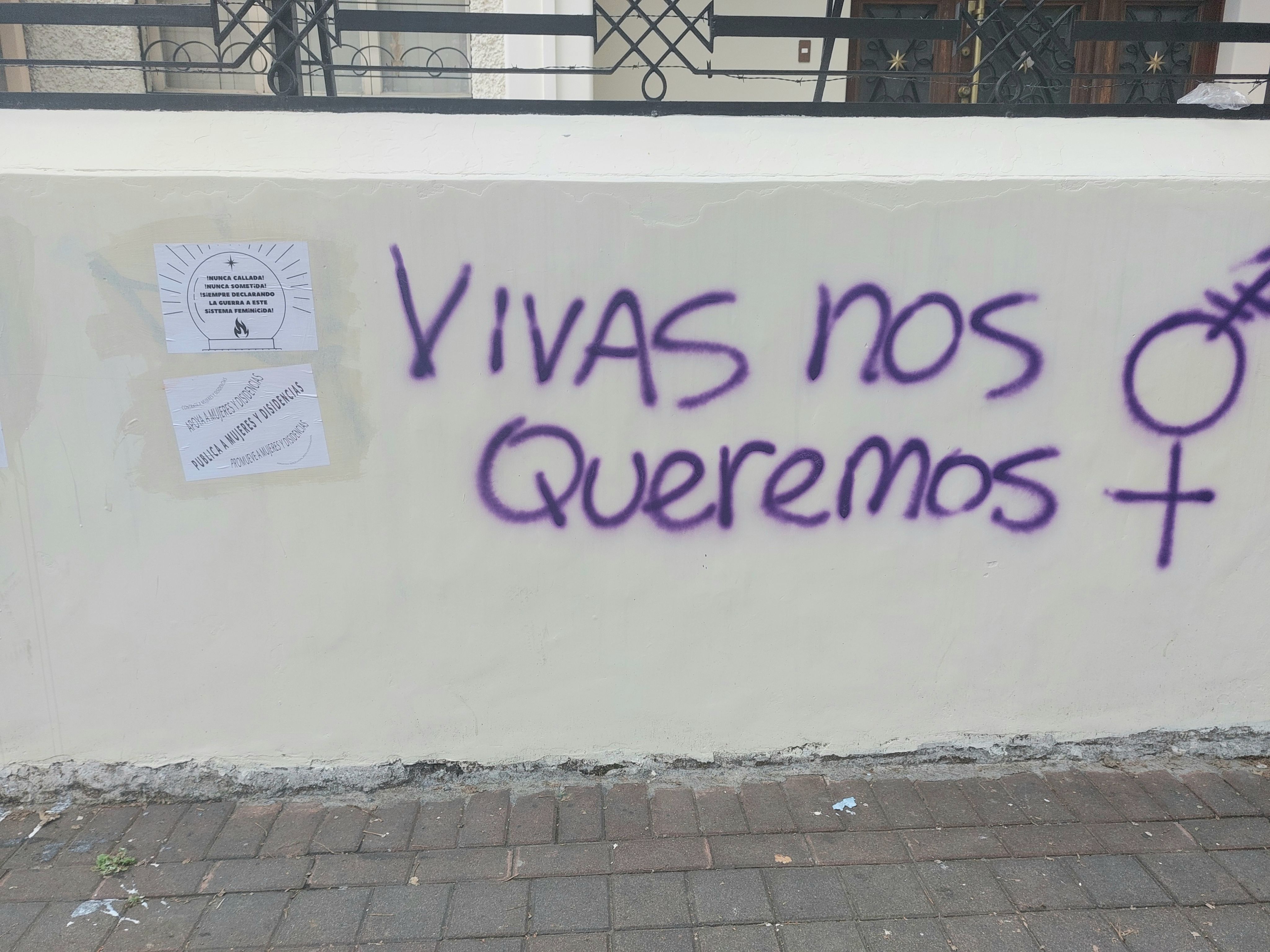
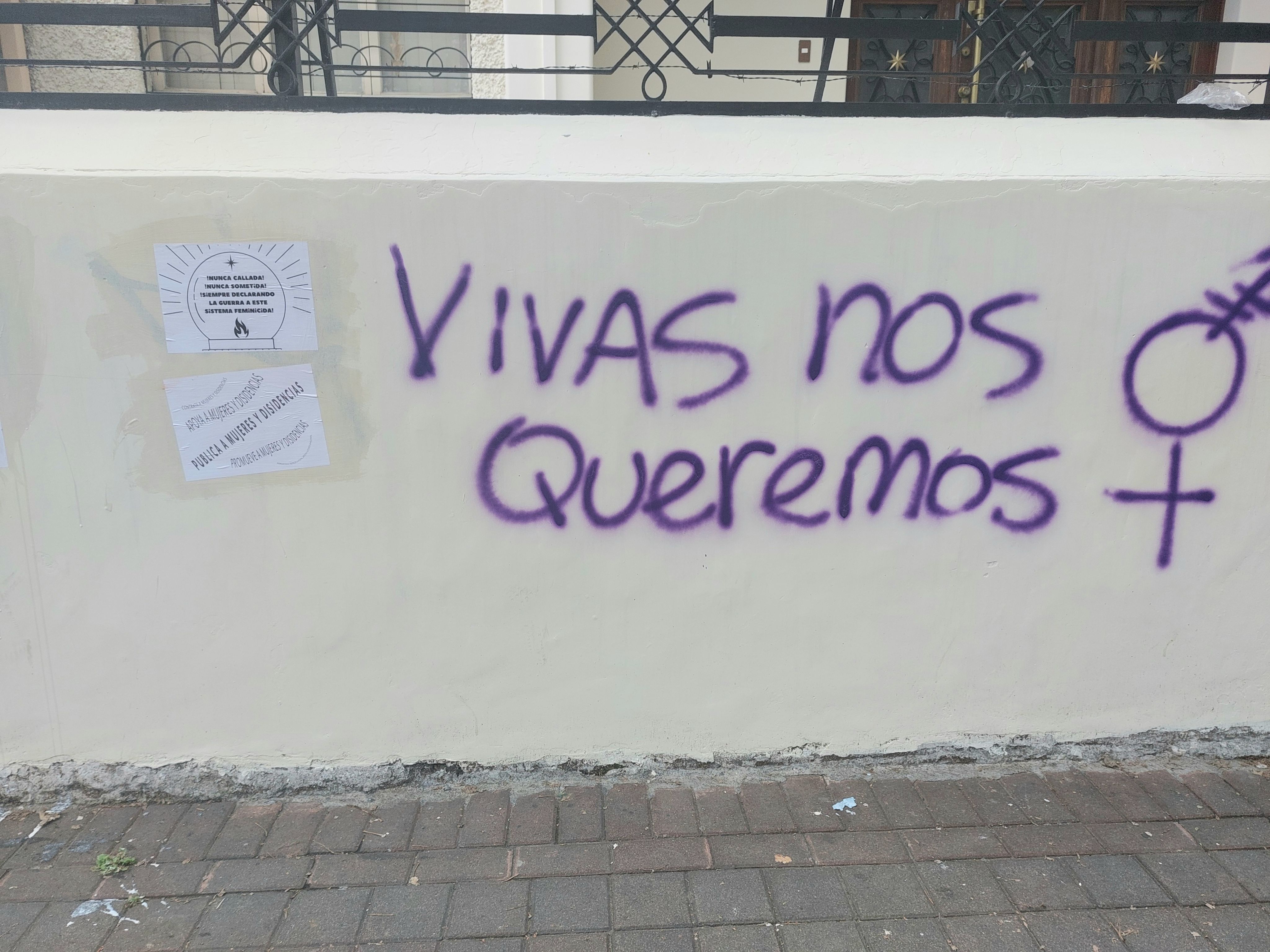
Feminist activists in Ecuador are campaigning for the Government to do more to eradicate gender-based violence and they demand justice for the women and girls who have been killed. Last September, protests erupted after lawyer María Belén Bernal was murdered by her husband inside a police training school. Her face was among many that were printed onto posters with slogans: “We want to live” and “Not one more”.

In Quito, activists from a feminist group called Bordar La Ternura, which means “embroider tenderness”, meet regularly to create artwork as symbols of protest. The group are sewing an enormous tapestry with the names of women and girls who have been killed. They continue embroidering names as the number of femicides rise.
The group are sewing a tapestry with the names of women and girls who have been violently killed.
It is a never-ending task with names still being added.
Many people join Bordar La Ternura to seek solidarity; some are survivors of violence, while others have lost mothers, sisters and daughters.
Ruth is fighting for justice for her daughter, Valentina, who was murdered when she was just 11 years old. Ruth wants to create a tapestry of Valentina, which the group will embroider to mark the seventh anniversary of her death. In the image, Valentina is playing her flute above the words: “Who killed you, Valentina? Your song has not stopped.”
Ruth believes that her daughter’s death was a product of structural violence, patriarchy and misogyny. She wants her daughter’s image to be a symbol of resistance.

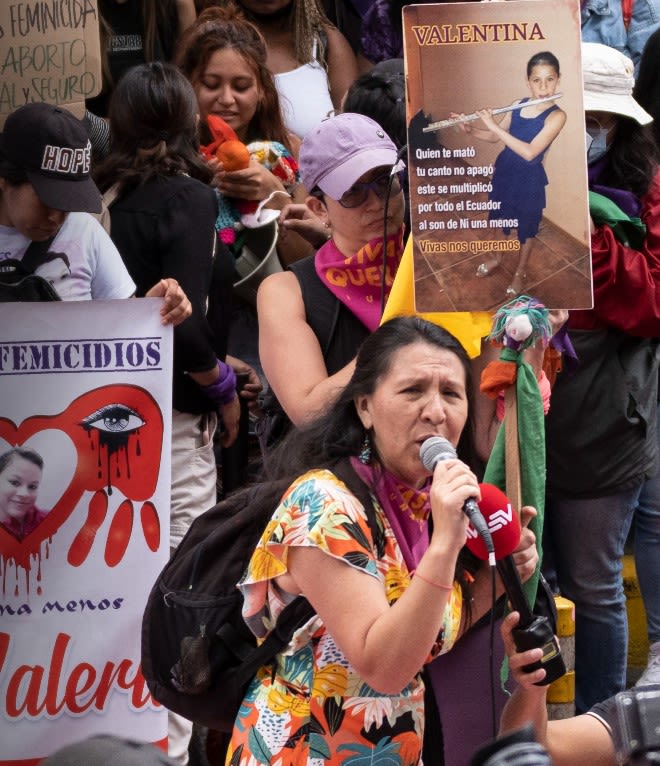
Photo by Thomas Miranda
Photo by Thomas Miranda

“Who killed you, Valentina? Your song has not stopped.”
For women and mothers like Ruth, violence is not the solution for fixing violence. Giving people weapons will not repair a damaged system.
 Built with Shorthand