I Worked In A Strip Club For 3 Years– The Reality Was Nothing I Could Have Ever Imagined
The Reality of Stripping in the UK
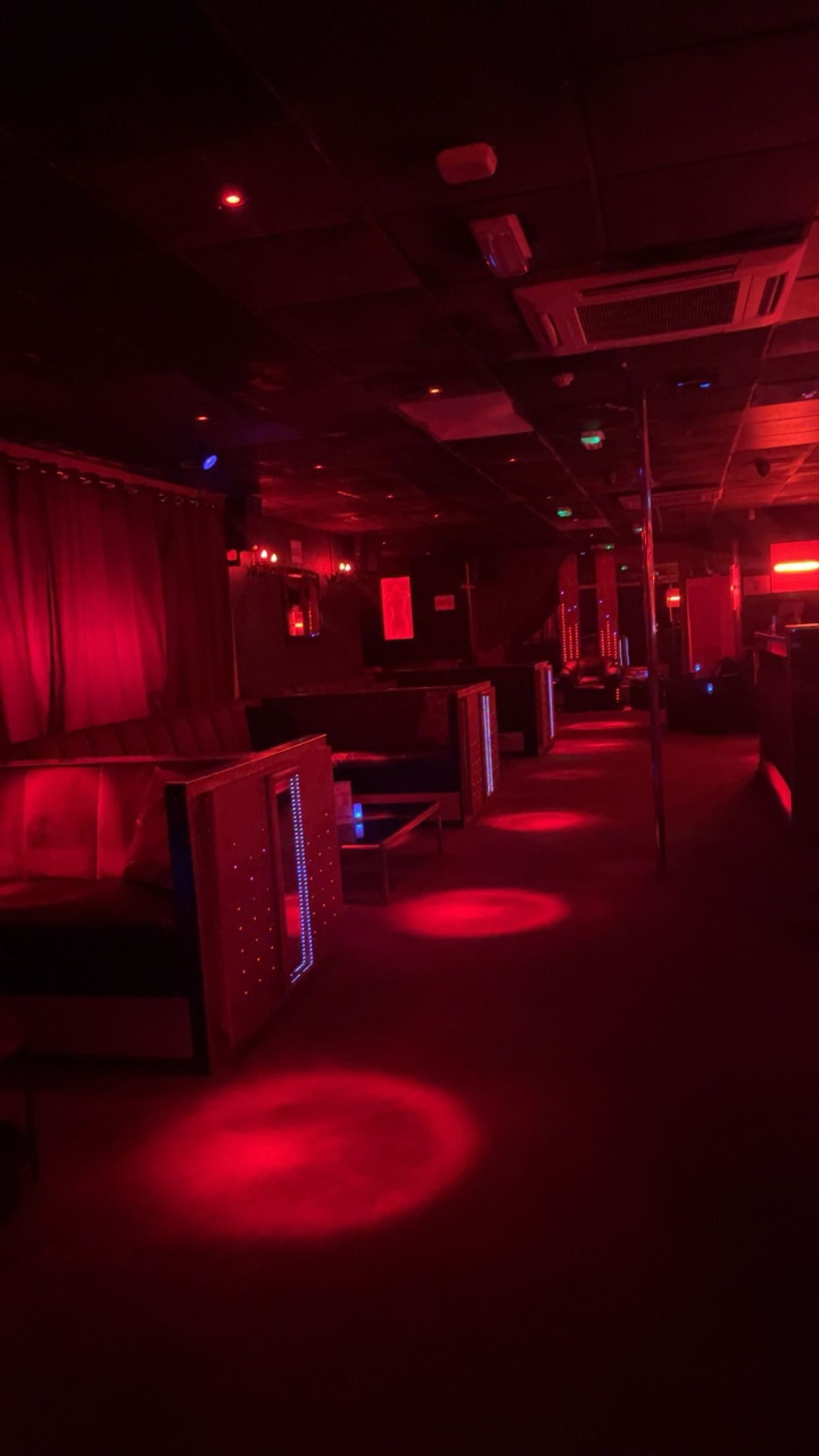

The myth of the strip club- and the reality I found
When I tell people I spent three years of university working at a strip club in Manchester, their eyes light up with intrigue. The questions always come fast: “What’s it like?” You can see them building the fantasy in their heads; dim lights, velvet booths, champagne flutes clinking, a flawless woman spinning like silk around a pole.
The truth? A lot less glamorous.
Most nights were quiet, almost dead. The air heavy, not with glamour, but with boredom. The men who did turn up weren’t rich, mysterious types. They were the ones you’d cross the street to avoid- cheap, seedy, and often cruel.
And I wasn’t alone in that disappointment. Every year, hundreds of young women are drawn in by the promise of easy money and a taste of the high life. What they actually find is something else entirely: endless hidden fees, the constant mental strain, managers who treat dancers not as staff but as disposable bodies. Drugs everywhere. The ever-present danger of slipping into more dangerous work when the tips aren’t enough to pay the rent.
No one tells you about the shame of handing over half your earnings at the end of a dead night. No one warns you that the girl next to you in the dressing room might be spiralling on coke just to keep going. No one tells you how heavy it is to smile at men who don’t even see you as human.
Still, what struck me most wasn’t the darkness, but the resilience. I had the privilege of working with women who were tough, kind, and generous enough to share their stories with me; some uplifting, some heartbreaking, all brutally real.
They inspired me to share the stories behind the curtains- not to romanticise the industry, not to condemn it, but to show it for what it really is. Stripping isn’t a glamorous one-night fix or a get-rich-quick hack to financial struggles. It’s a job that can leave scars, emotional, physical, and financial, that linger long after you hang up your heels.
Maybe you’ll get lucky. Maybe you’ll walk out richer, empowered, even thriving- and if you do, I applaud you. But like so many others, you could just as easily leave with trauma, poor mental health, and addictions that drag you down long after the music stops.
The reality is messy. But it deserves to be seen.
The inside of a strip club can be a warm, welcoming place- but it also has its bitchy downfalls
Why women turn to stripping
There’s no single reason why women become strippers. For some, it’s the lure of quick cash. For others, it’s about reclaiming their bodies. For one dancer I spoke to, it even saved her from the dangerous world of underage escorting.
Abigail* started dancing at 18, drawn to it because she needed money to survive. As a young, disabled woman living alone, she knew she couldn’t manage a regular full-time job. Stripping offered cash for fewer hours.
“I didn't really know what I was about to go into. I hadn't even been to a normal nightclub at that point. I thought it was going to be crazy good money.” She told me, noting how easy it was to land her first job; after emailing the club, she started stripping that same weekend. But it wasn’t exactly what she’d imagined.
“It wasn't as busy as I thought it would be, and strippers earn less money than I realised. I didn't know that we got fully nude until my first shift, but it didn't faze me at all. And then again, I thought it would be more money than it was, and I thought it would be busier than it was.”
“It was entirely my choice. I did have an older friend who had done it, and I'd seen her making a lot of money from it and stuff.”
Poppy*, another young former dancer, told me her reason for starting: “Honestly, curiosity about what stripping was about enticed me into it. Obviously, the money aspect as well. I was at university and needed a bit of extra cash, as all students do, and I thought I had nothing to lose, so why not?”
She added: “I think people have this idea in their heads that strippers have to actually indulge in the ‘sex’ part of being a ‘sex worker’ and that’s just not the case at all. I had the same mindset going in and was pleasantly surprised when I found out it was literally just dancing and no touching whatsoever. It made it so much easier to get into, as I knew I was safe from people touching me.”
For many, stripping is practical. For others, it’s curiosity, survival, or reclaiming control. But across the stories, one thing is clear: the choice to dance is often complex, deeply personal, and not what outsiders assume.
Fees and fines: how clubs make their cut
Since COVID, money hasn’t been flowing like it used to. Weekends were packed with dancers, but customers? Not so much. Weeknights could mean just five or six people, and some of them wouldn’t pay for a dance. Lack of customers and money isn’t the only hit to dancers’ earnings.
Georgia, a bartender at a strip club, explained how commissions and fees at clubs work: “For every dance, the owners would take a cut. From a £25 one-song dance, the dancer would make £16. Then, if a girl earned over a certain amount in total, the owners would take an extra fee.”
Despite also earning from drinks and entry fees, most clubs take 30% to 50% of a dancer's earnings, harshly cutting her wage at the end of the night.
“There were floor fees on weekends and football nights. There were fines for being late, fines for not coming in on at least one weekday, fines for approaching customers before they’d bought drinks, or breaking any other rules.”
A floor fee, which is a charge a dancer pays so she can work, could be anywhere from £15–£25 at her club, but in bigger clubs in cities like London, they can range up to (and more than!) £100.
Abigail told me that one club she worked at sometimes charged over £200 for their floor fee.

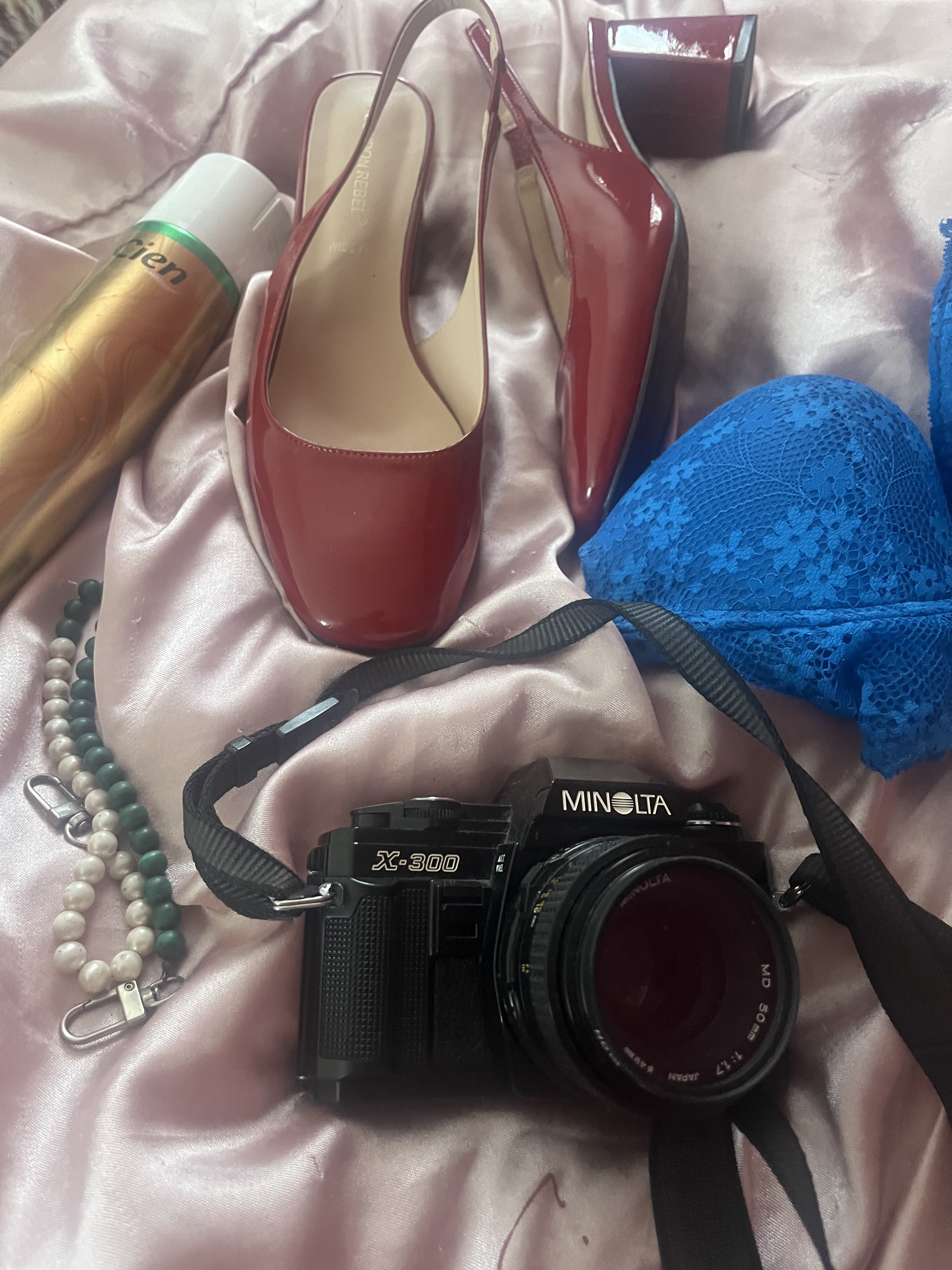
The life of a stripper is seen as one of glamour and luxury...
The life of a stripper is seen as one of glamour and luxury...
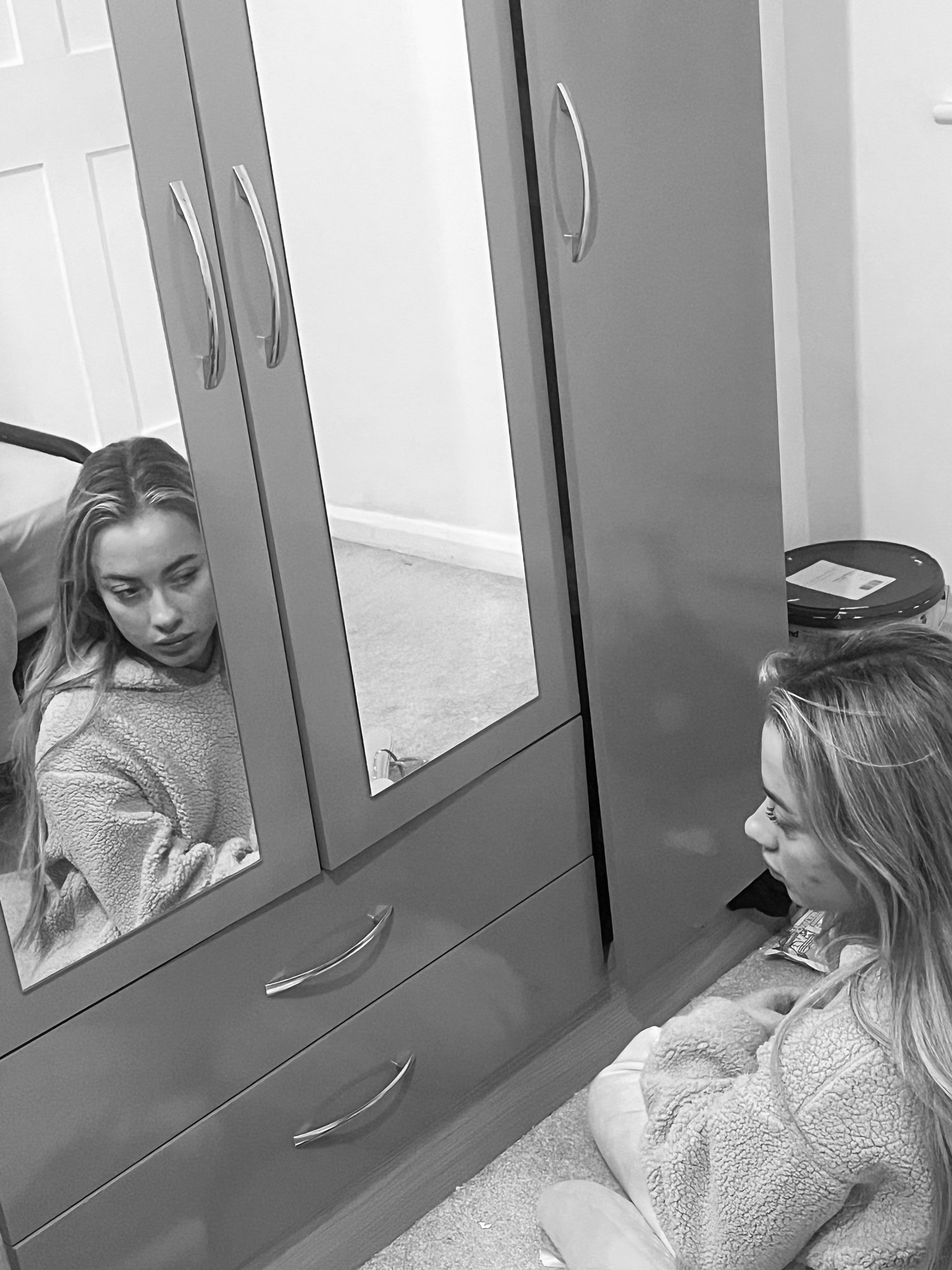
Dancers are beautiful, talented women, but it's not a job like others...
Dancers are beautiful, talented women, but it's not a job like others...
This can lead to an isolating, misunderstood life
This can lead to an isolating, misunderstood life

‘Drugs are a massive factor’: The drug problem inside clubs
The mental strain of the job is brutal. The pressure to look and feel beautiful, to be constantly social, the endless judgment and negative comments- it all adds up. The club atmosphere doesn’t help. With so many customers drinking, it makes sense that, as a dancer, you’d drink too.
“The pressure to drink during the night is high,” Poppy told me, adding: “it’s usually to get you on a level to be able to perform well and not be as anxious. There were some nights where I’d be earning a good wage from it because I had limited myself, and the nights where I was pressured to drink a lot, I didn’t perform as well, and I’d end up not making any money at all.”
It’s hardly a secret that where alcohol flows, drugs often follow. In the club, it was everywhere. Not every dancer or customer drank or did drugs, of course. Sometimes there were moments of genuine appreciation (men admiring women’s bodies, the artistry of dancing) but the darker side is impossible to ignore.
“Drugs are a massive factor in the dancing world. I’ve seen it ruin dancers before, as it’s so readily available from the moment you walk in. It is massively encouraged by the ‘OG’ dancers, and as I was so young, I was easily influenced, so it got to a point where I felt I needed it to be able to perform.”
Abigail added: “There was a stripper who would sell cocaine at one club. I remember a customer asking me if I could get coke anywhere. So, I got some off the girl that was selling it, and then I sold it to him for extra, so I could profit. When she gave me it, she did a bit of it first, then asked me if I wanted one. I was sitting on the toilet and she was standing over me and she was at least 10 years older than me. I was like, ‘Oh, no. I don't do that anymore. Like I used to have a problem.’ But she kept going, ‘Just do it. Just do it.’ And I stuck to my guns and didn't. But I think that's very bad.”
The pressure, the drinking, the drugs- it’s a world that can break you, even when the bright lights and tips make it look glamorous.
The industry decline: the numbers behind the velvet curtains
In the age of OnlyFans and Instagram bragging culture, it’s no surprise that sex work feels oversaturated. Online creators flaunt designer clothes, sports cars, and houses bought outright in their early twenties. The appeal is obvious, but the reality is far less glamorous.
Reliable data on stripping is scarce, usually buried within wider studies of sex work. Still, estimates suggest around 72,800 sex workers in the UK today- strippers, escorts, brothel workers, and more. Once seen as a desperate last resort, sex work has shifted dramatically. A major survey revealed that 38% of sex workers now hold an undergraduate degree, far from the old stereotype of young single mothers. Research also suggests that one in twenty students has taken part in sex work, driven by financial pressure, difficulty finding stable part-time jobs, or simply the freedom that university brings.
At the same time, strip clubs themselves are vanishing. In the early 2000s, England and Wales had an estimated 350 clubs; by the early 2010s, fewer than 200 remained. By 2022, some reports suggested as few as 150. Rising rents, gentrification, and strict licensing laws have all played a part. The Manchester club I worked at closed shortly after I graduated- a reminder of how fragile the industry really is.
How the industry can be improved for dancers
The inside of a strip club rarely has a dancer’s best interests or comfort at heart, despite the fact that the business couldn’t exist without them. Dressing rooms aren’t glamorous spaces with mirrors and plush chairs, but cramped corners with broken doors and toilets that don’t lock. The conditions are poor, and nobody seems to care; except the women working there.
When I asked Abigail what changes she would make, she didn’t hesitate. “An incentive for being on the floor and speaking to the customers,” she said, explaining that instead of punishing dancers for minor grievances, like chewing gum, clubs should reward good work. She added that dancers should be allowed to keep all of their tips, with venues charging either a house fee or commission, not both. “And a sofa in the dressing rooms so the girls actually have somewhere they can have a break, rather than either having to sit pretty in front of customers.”
For her, fairness is also about opportunity. “A system that gives girls an equal chance to make money, such as girls who haven’t made any money get to speak to customers first.”
But improving the industry isn’t just about club policies- it’s also about shifting public perception. The way stripping is talked about often swings between extremes, neither of which reflect the lived reality of dancers.
“There's two sides of the public opinion on stripping and they're both wrong and then there's somewhere in the middle that's wrong as well,” Abigail told me. “One end is hateful people who think sex workers don't deserve respect. I think that anyone who's not causing anybody harm deserves respect and by being a sex worker you're not causing any harm. The other end is like well-intentioned people that want to ‘liberate’ sex workers but seem to group sex workers and the sex industry together, and ignore all the negatives of the sex industry which will recognise negatives and advocate for sex workers to have the safest and fairest environment possible. Then somewhere in the middle there's other well-intentioned people who say that the sex industry is bad and harmful and shouldn't exist. If we lived in a perfect world then sex work wouldn't exist- but we don't. So it's not going anywhere and that narrative is what makes like sex work criminalized and illegal which makes us more unsafe. It gives dangerous people more opportunities to sex traffic women and it gives customers more opportunities to literally rape and murder sex workers.”
Poppy added: “One thing I wish the public understood is that strippers are just people who are trying to make a living. We have just as many rights as they do and we aren’t doing anything wrong at all as we shouldn’t be engaging in any sexual activity with the customers. It’s the minority that have ruined the view on sex workers.”
For dancers, change starts with listening (and believing) that their voices matter.
The positives of the stripping world
Sex work will always spark debate, with many feminists arguing it holds women back and shouldn’t be supported. Our society is full of poverty, misogyny, and systemic barriers. For some women, such as those with mental health struggles, disabilities, or restrictions due to immigration or asylum, sex work isn’t a choice, it’s survival.
“If it wasn't for stripping, I wouldn't have gotten out of the dangerous world of UK prostitution. I would probably be homeless and in debt right now, which would mean I never would have gone back into education to get my English GCSE and go on to study accounting. Nor would I be able to afford my luxuries in life, like my singing lessons, my cats, my guitar, and my disability aids. I am grateful that stripping is legal and gave me the opportunity to make a life for myself in this fucked up world,” Abigail told me.
Poppy added, “If I had the choice to go back and do it later in life or not at all, I think I still would’ve done it, as it was a learning experience and it massively shaped how I see myself and my confidence. It has just as many positives as it has negatives.”
For these women, stripping is more than a job; it’s a lifeline, a route to independence, and a space to reclaim control in a world stacked against them.
Stripping is here to stay- but we need to protect our women
As one of the world’s oldest professions, sex work will never disappear; the question is how we can reshape it to centre the women who do the work. How do we keep sex workers safe, respected, and in control of their labour? Strip clubs cannot exist without strippers, yet much of their income is stripped away through fees, fines, and exploitative practices, often enforced by employers who still dismiss them as “sluts.” Is that fair? Is that protection?
The first step is listening. Listening to women who have lived this life, who can tell you what works and what doesn’t, who can expose the hidden cost of dancing beyond the lights. Clubs should be challenged on the way they treat their dancers, on the structures that drain their wages while denying them the rights and protections most workers take for granted.
At its core, stripping is work. It’s no different from driving a bus or policing a street, and until we recognise dancers as workers with the same dignity, respect, and protections, the injustice will continue.
The women keep the lights on. It’s time the industry stopped leaving them in the dark.
*Dancer names changed for anonymity
 Built with Shorthand