
The never-ending struggles of refugees in Germany
A story of Syrians and Ukrainians in times of crisis

A Syrian father carried his unconscious nine-year-old epileptic son on his back for two days, only with the hopes to live a safer life in Germany.
Thousands of people undertake horrific journeys to seek safety, but the struggle does not end there.
A Syrian family of six children was torn apart due to the horrendous war and dictatorship in 2015.
The family has been confronted with one challenge after another while dealing with Germany’s hostile attitude in 2024.
Aya and Heba Alsulaiman Alnaser explained some of the many dangers they faced in Syria.

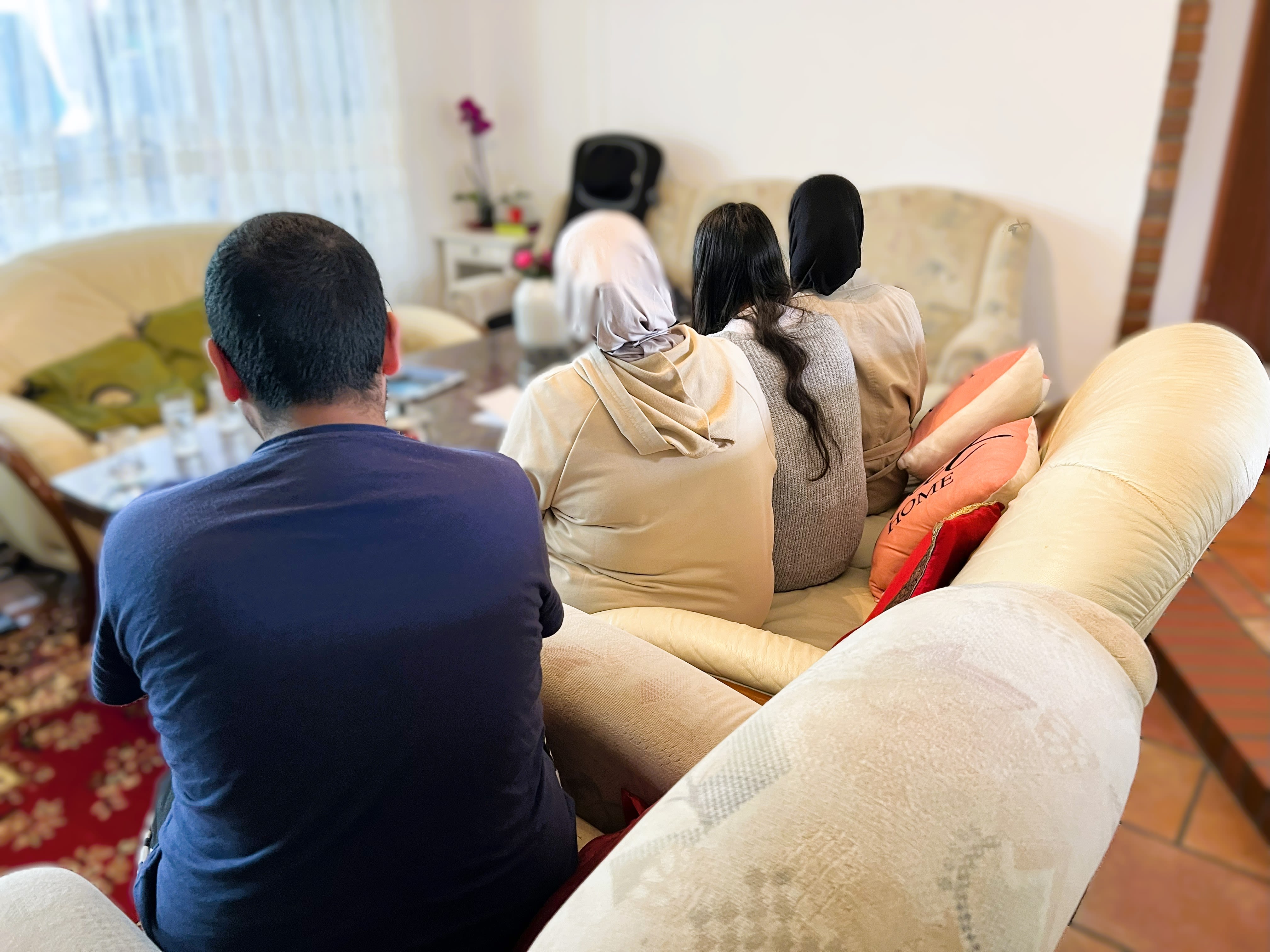
Aya, Heba and Hamoud Alsulaiman Alnaser with their mother in their temporary home. They chose to keep their identities anonymous due to personal reasons.
Aya, Heba and Hamoud Alsulaiman Alnaser with their mother in their temporary home. They chose to keep their identities anonymous due to personal reasons.
“We had no freedom of expression, there was destruction, death and starvation in our city.”
“ISIS was surrounding our city so we had to move to Damascus to escape them.” She recalls the journey to Damascus with pain in her voice.
“While crossing the ISIS border, two men on motorbikes had approached us because they saw my sister remove her eye covering briefly. My uncle was the male head accompanying us, so he was questioned.”
The head to toe covering for women has been enforced by ISIS. They proclaim this as a part of their religion although that is not the case.
Heba remembers that upon discussion with the ISIS soldiers, her uncle was faced with death.
“The soldier took out a huge sword and placed it on my uncles neck. My mother pleaded for his life. She was devastated.”
The uncle was let go but on the condition that everyone will report back at their border checkpoint for an inspection. Phones were controlled and their ID’s were taken in.
Meanwhile, Heba’s father had set out to Germany with his then nine-year-old epileptic son, Hamoud and two teenage daughters. The mother remained in Damascus with her three daughters.
“We did not have enough money that all nine of us could flee to Germany at the same time,” explained Aya.
So, the father, Ibrahim and his three children undertook a life threatening journey to safety.

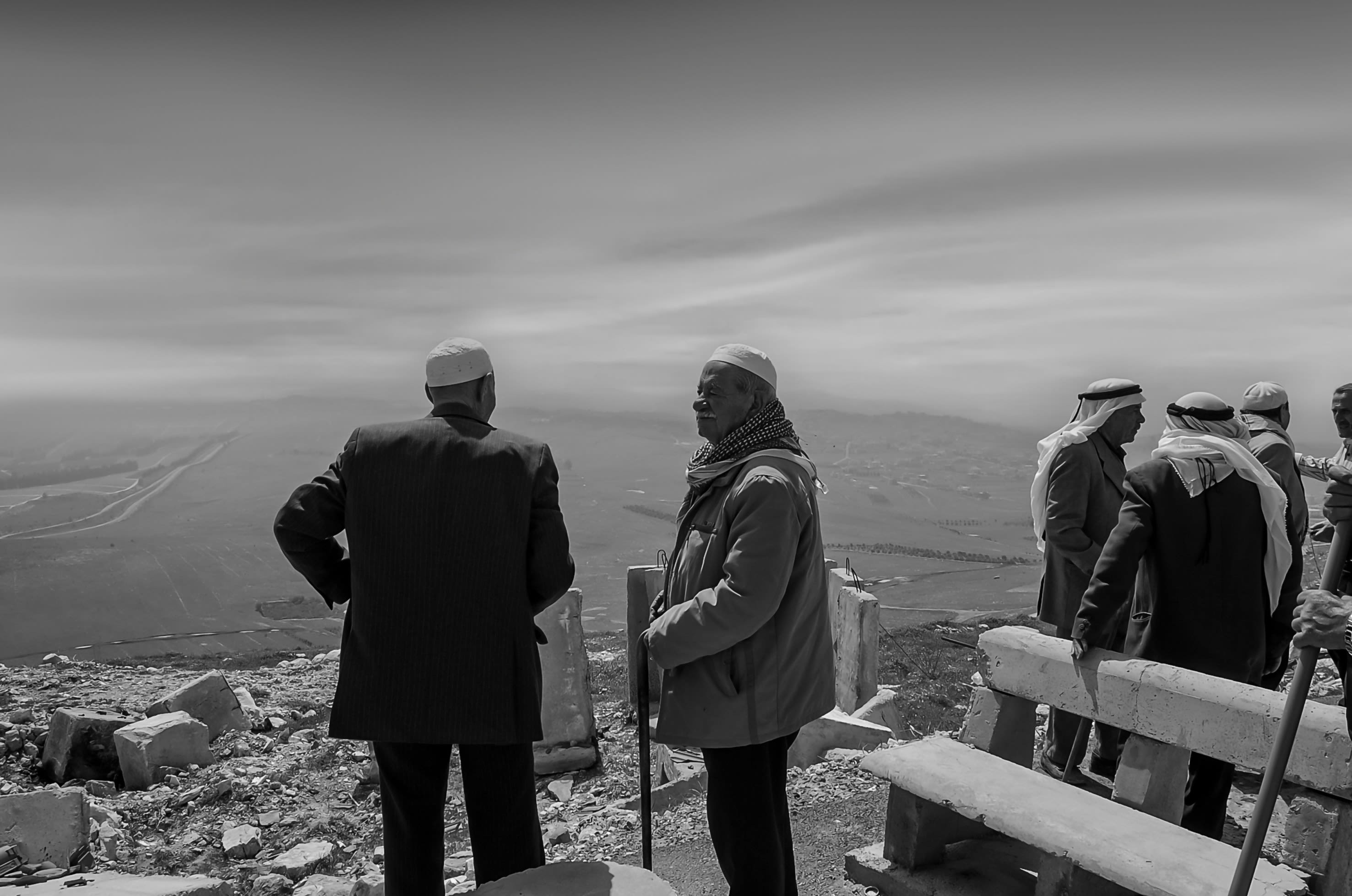
Refugees undertake difficult journeys to safety Photo by AHMAD BADER on Unsplash
Refugees undertake difficult journeys to safety Photo by AHMAD BADER on Unsplash
The entire journey from Syria through Lebanon, Turkey, Greece, Bulgaria, Croatia, Austria and finally to Germany took 18 days.
The family had to take a rubber boat from Turkey to Greece. “Twenty people were allowed on the boat but 40 got on and the organiser left them alone to navigate the boat themselves,” explained Aya.
“The motor turned off in the middle of the sea, everyone was terrified,” she added.
They were forced to dump their belongings in the sea and could make it to Greece, but without Hamoud’s medicine bag.

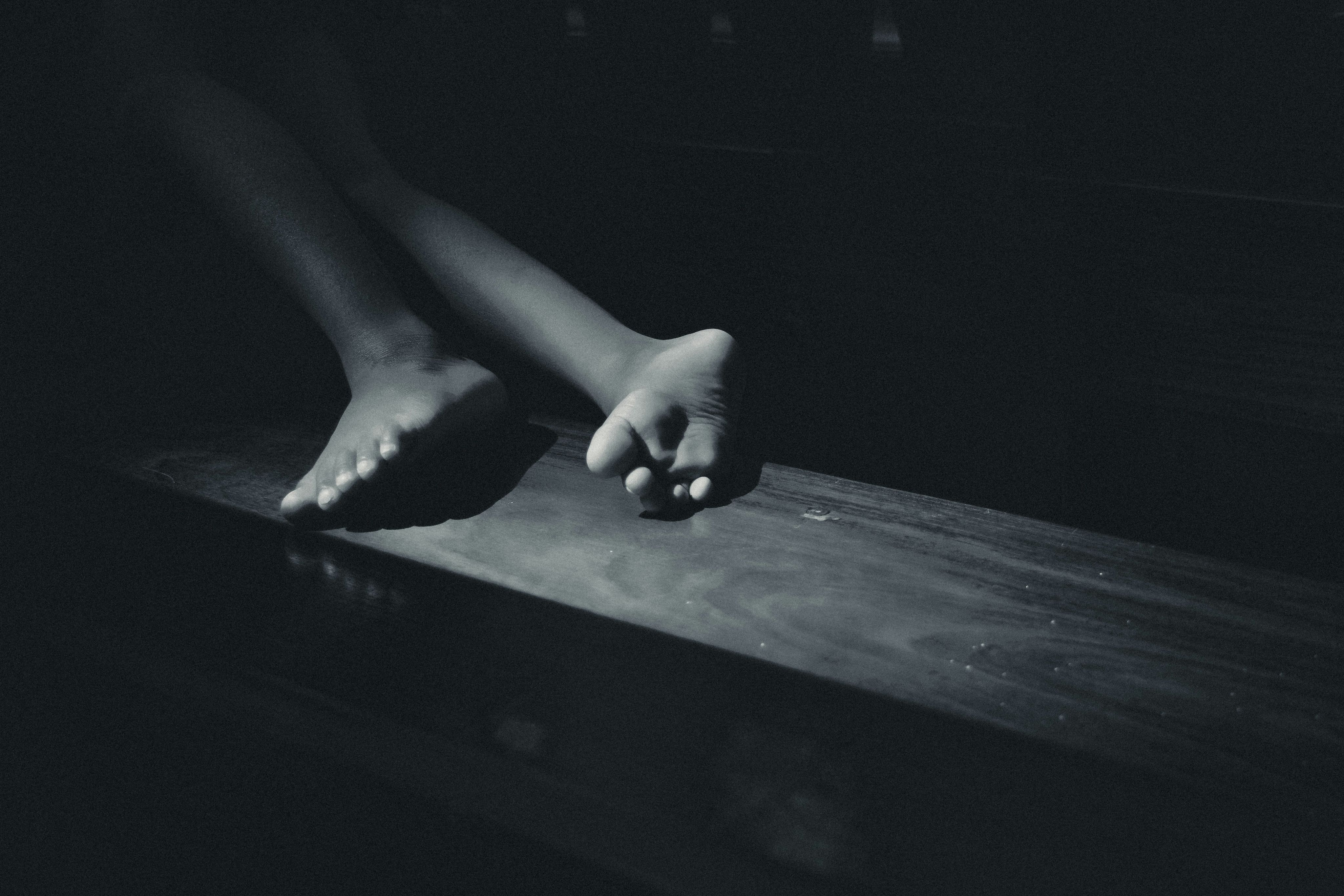
The family was faced by a terrifying situation when Hamoud fell unconscious for two days Photo by Jyotirmoy Gupta on Unsplash
The family was faced by a terrifying situation when Hamoud fell unconscious for two days Photo by Jyotirmoy Gupta on Unsplash
“My brother fell unconscious for two days because of no medications. My father carried him on his back for two days till he found a doctor,” said Aya.
Upon arriving in Germany, Hamoud was immediately given medical attention, but the damage had been long done.
“My brothers health has worsened, he now has to take 18 different medications per day. He also has seizures that he never had in Syria. Everything has just gotten worse,” added Aya.
Meanwhile, the mother was still in Syria with her three daughters. It was unknown whether the Alnaser family would ever be reunited again.
This was just the beginning of new struggles for the Alnaser family.
Today, the family faces new challenges. Finding permanent accommodation is one of the many.
The family was told to leave their accommodation in Fleestedt. They have been on the search for a new home since November 2023, but without any luck..
“We are five people looking for a new place, we always get told that we will receive a response but then we never get a phone call back,” said Aya.
Many feel that they are quickly judged by potential landlords when searching for accommodation.
“We once saw an ad in the newspaper for an apartment and called there explaining our interest in the apartment. The very next day I got a call back that the apartment was off market. However, one week later I saw the same ad in the newspaper. I got my German neighbour to call there and give her German name by which the landlord said that the apartment was available,” added Aya.
So is the story of many others who make their way to Germany for a secure life, only to realize that they are about to face new battles.
The numbers of asylum seekers have been rising. Many who arrived years ago have still not found their own accommodation.
Approximately, 25% of those who came during the influx in 2015 are still living in refugee shelters.
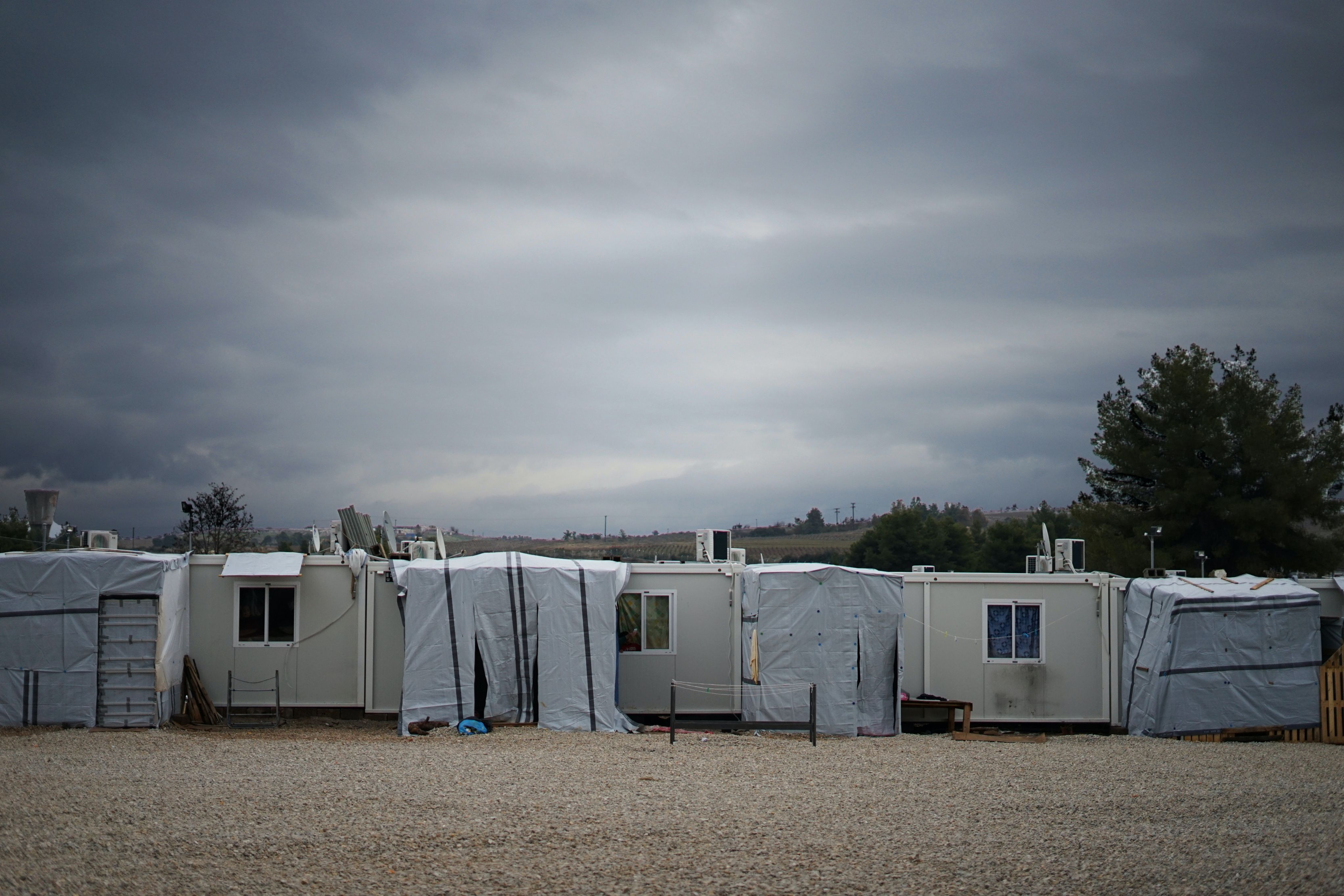
A majority resides in container houses. The tiny rooms that shelter families do not suffice in space and they are still expected share kitchens as well as laundry rooms.

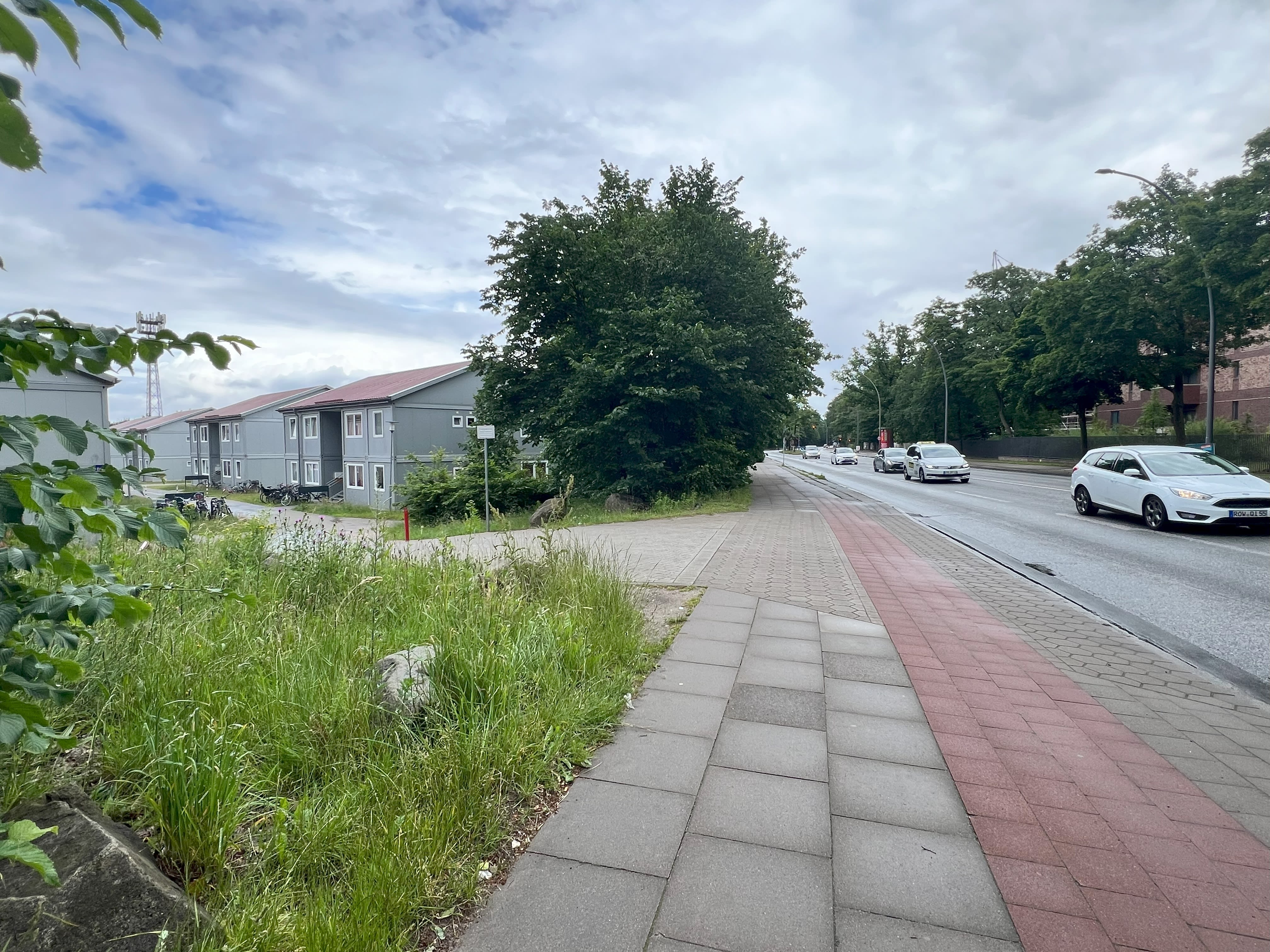
Temporary container houses are to be found at every corner in Germany
Temporary container houses are to be found at every corner in Germany
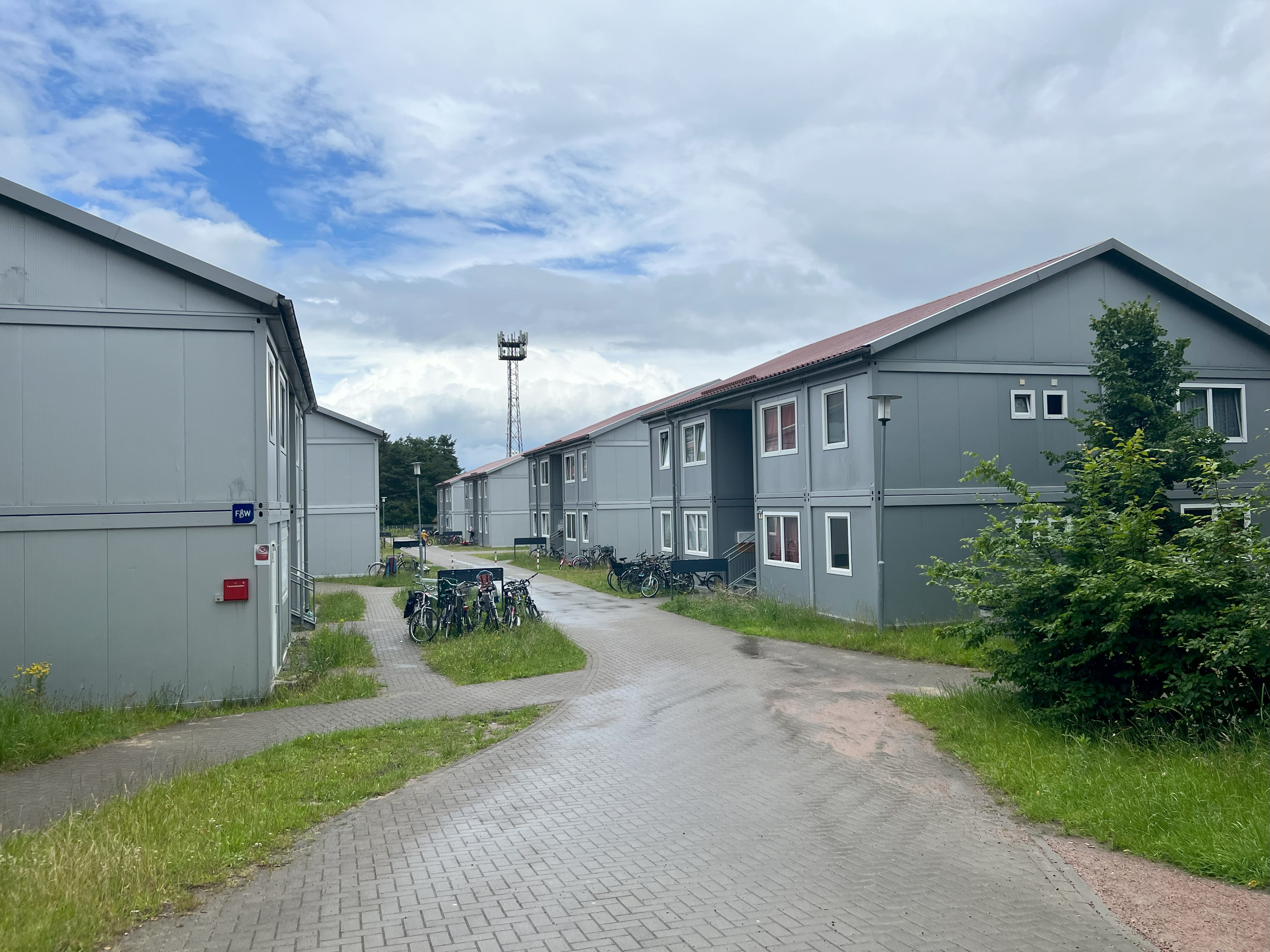
Rows of dull grey boxes are hidden away from sight
Rows of dull grey boxes are hidden away from sight

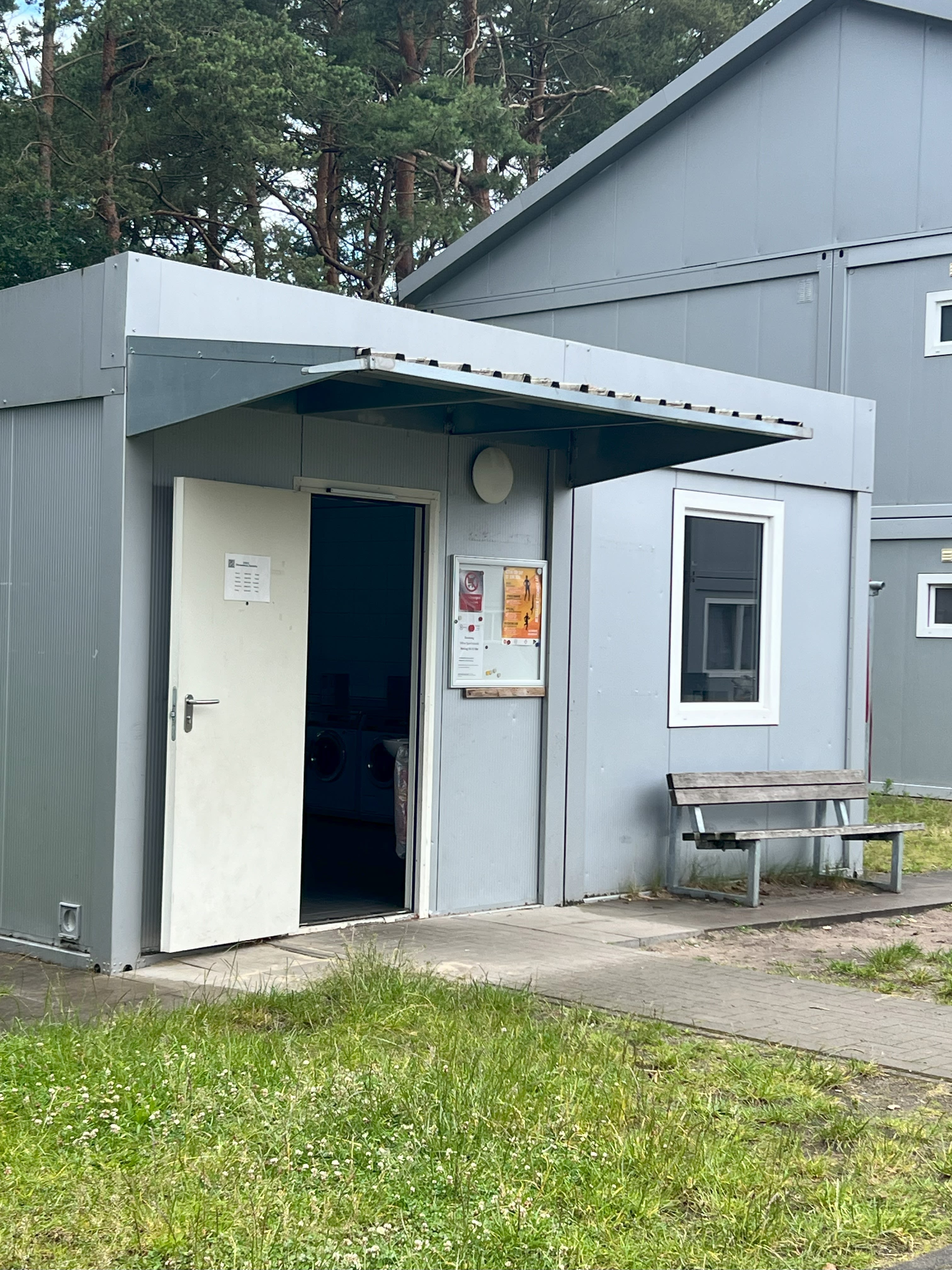
There are shared laundry rooms at the centre of the container houses
There are shared laundry rooms at the centre of the container houses
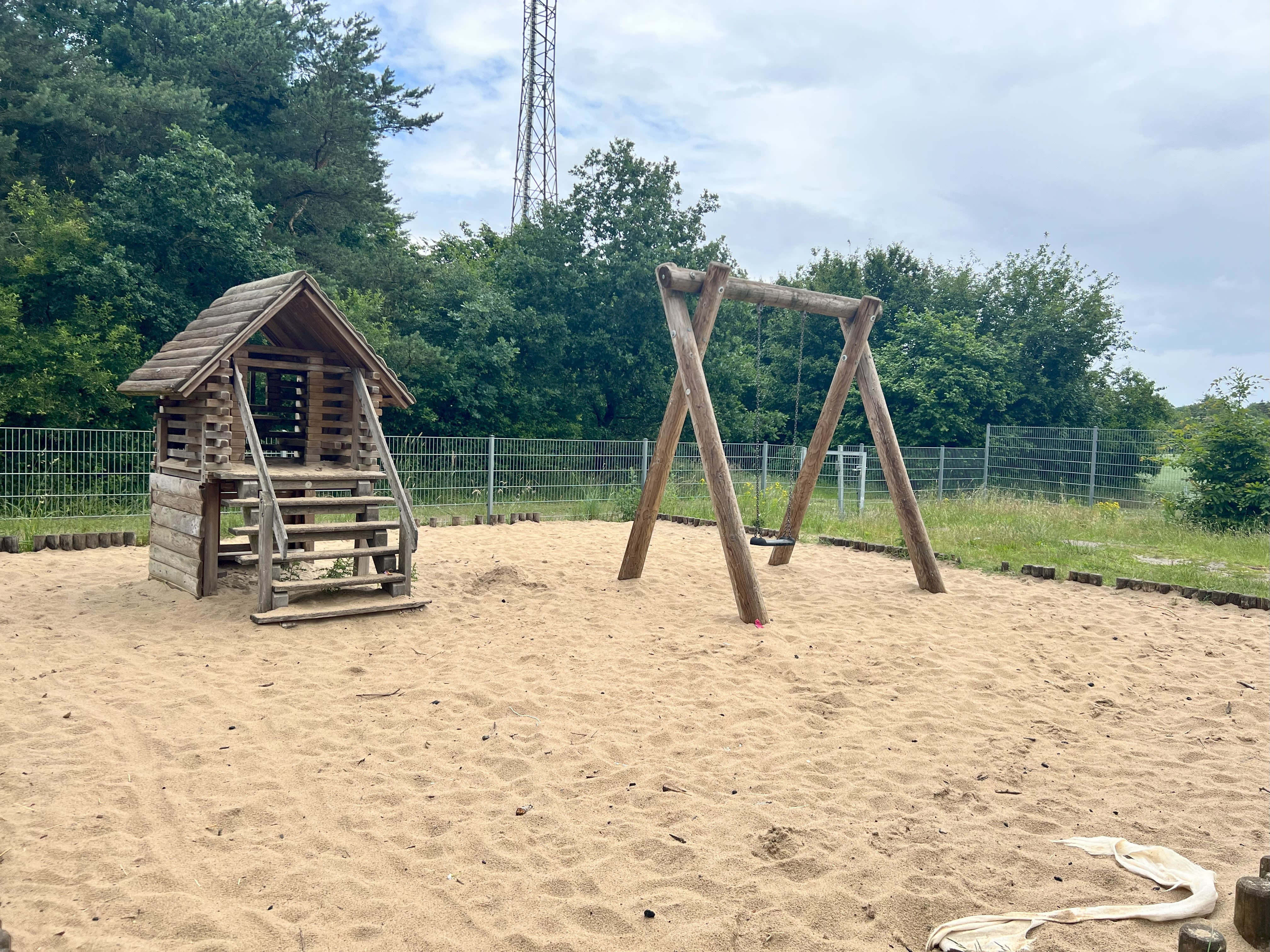
A deserted playground lies behind the rows of container houses
A deserted playground lies behind the rows of container houses
The 2015 Refugee Influx

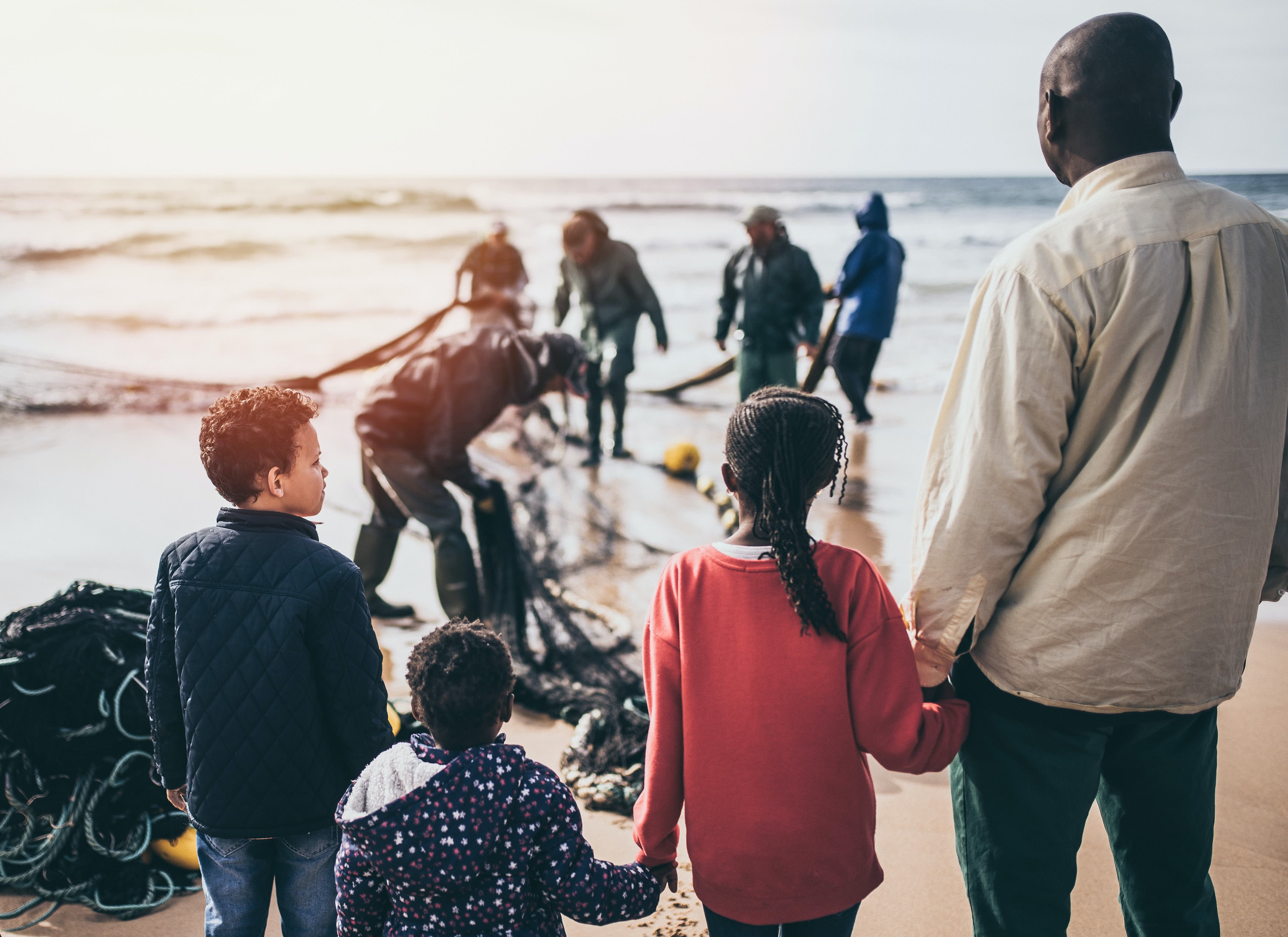
In 2015 the influx of refugees reached striking new levels, ultimately sparking a political debate across Europe.
Tragedies were at the centre stage since migrants were having to take a deadly crossing from Turkey to Greek islands. The devastating number of tragedies in 2015 haunt Europe till date.
More than one million migrants risked their lives to make their way to Germany. The majority of many whom were Syrians escaping persecution and war.
By 2016, Germany had reached its highest numbers of asylum applications.
Despite the uncertainty surrounding the large influx of refugees, there were many positive outcomes.
More than 10,000 people that had arrived in 2015 had mastered the German language enough to be able to enrol at a university. Likewise, more than half of those who entered are now in work and pay their taxes.
Mohammad Al Hassan has a similar story. “I fled from Syria due to the dictatorship, people were being shot by tanks on streets and the situation was only getting worse.”
Mohammad fled as a 17-year-old boy with his twin brother and cousins.

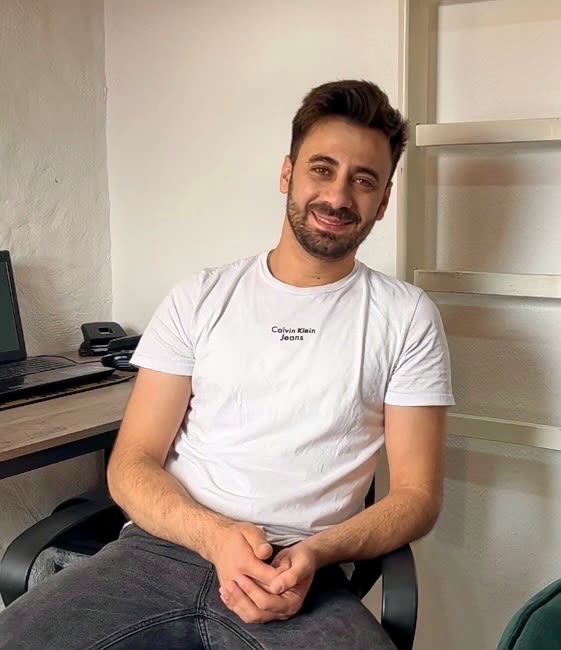
Mohammad in his current home on the outskirts of North Hamburg
Mohammad in his current home on the outskirts of North Hamburg
“I never thought I would come to Germany or ever leave Syria in the first place,” added Mohammad.
He had proposed the idea to flee to his brother and cousins and like many others they undertook a deadly journey to safety.
“At first my brother was shocked. But we did not know what we would face in the future and the borders were open so we took the risk,” explained the 26-year-old.
“When I was about to take the boat to Greece, I saw the dangers that other people had faced. After seeing the situation, I did not want to go ahead with journey anymore,” said Mohammad.
Mohammad’s brother and cousins felt they had come a long way and it was too late to turn back, so they went ahead with their plan.
“Thankfully all worked out well with our boat journey,” said the 26-year-old.
After five days journey, Mohammad arrived in Germany and the asylum seeking process began.
“It was a strange feeling in the beginning. Everything was different, the weather and the language,” he explained.
However, Mohammad was determined to move forward and integrate.
He had received his qualifications from Syria which allowed him to begin with language courses.
Mohammad acquired fluency in the German language within the first two years.
Today, he is in the final months of completing his apprenticeship as an electronics engineer for industrial engineering.
He lives towards north of Hamburg in a shared house and hopes to be able to move into his own place soon.
Success stories like Mohammad’s give credibility to Angela Merkel’s statement made at the peak of the influx, “Wir schaffen das (We’ll manage this)”.
Many refugees have integrated and contributed to the German society like any other citizen. Despite this, the influx was seen as a crisis.
Resentment began to rise for these people at the end of 2015 onwards.
The sexual assaults in Cologne at new year’s eve, the Bataclan terror attack in Paris and the truck rampage at Berlin’s Christmas market, all contributed to the growing hostility amongst the German population. However, these crimes had not been executed by those who had arrived in 2015.
As a result of these events, Germany’s right wing extremist circles further radicalised, who then targeted asylum shelters with arson attacks.
Germany was the only country in Europe with the most severe and fatal right wing violence in 2019.
The situation has not been much different in the recent years.
There is a rise in hate and discontent in the German society. 2023 was marked by a large increase in far right motivated demonstrations as well as a rise in attacks against ethnic minorities and genders.
The Refugee Situation Today

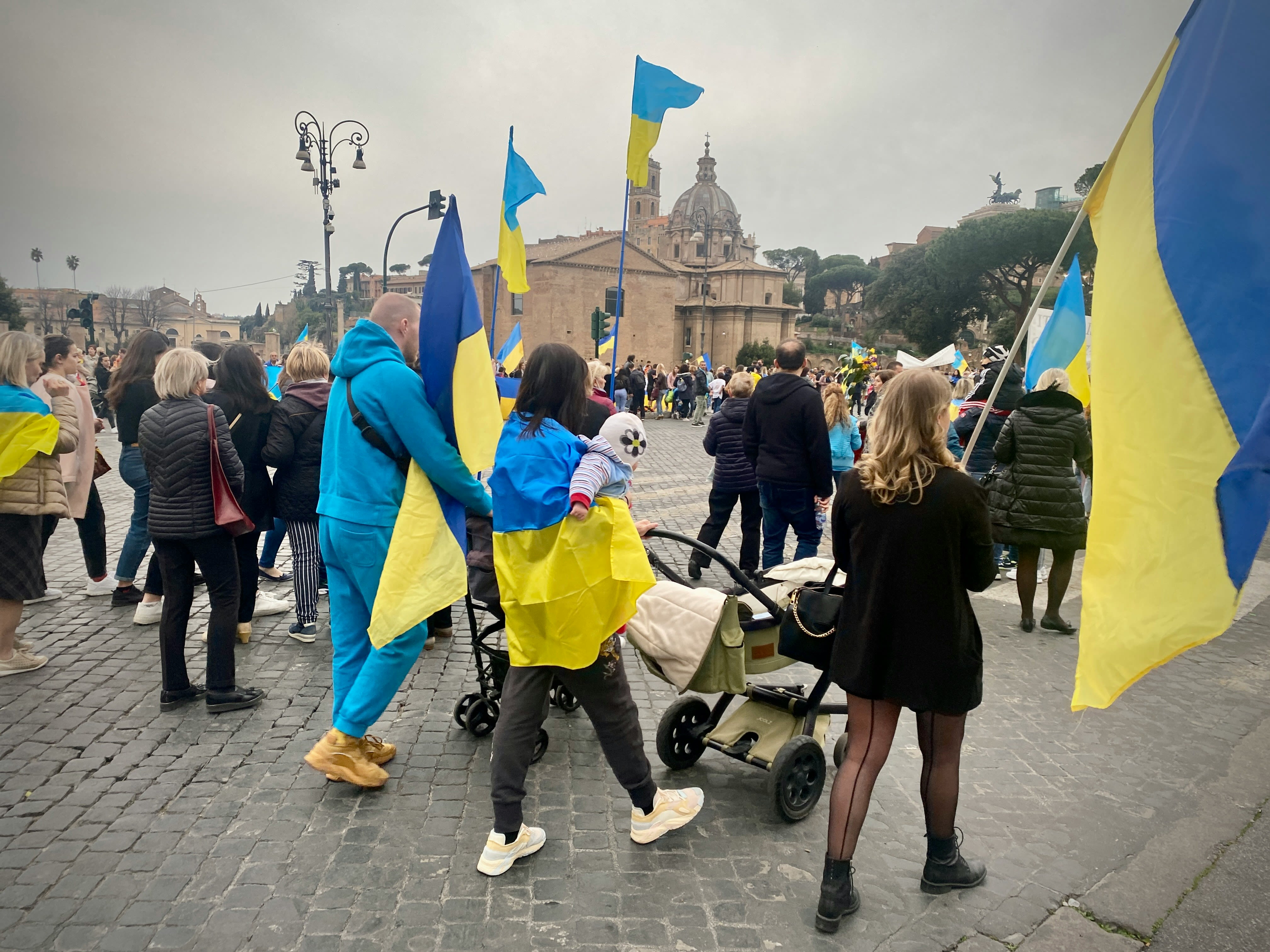
During the 2021 elections, Germany vowed to not repeat 2015. The situation for refugees had taken a turn. Germany and other European countries had closed their borders.
The majority fleeing at the time were Afghans, but due to the border situation they were stuck in surrounding countries.
As a result of the €6bn deal struck between EU and Turkey in 2016, both sides worked together to stop migrants from crossing over into the EU.
In 2022, Germany faced another crisis when 1mn Ukrainians were seeking safety from the war. The figures exceeded the refugee influx of 2015.
The Ukrainian war had torn families apart. The Ukrainians who made their way to Germany had a much safer journey, but the horrors of war haunt them till date.
While many Ukrainians are grateful for being welcomed and granted safety in Germany, others have not experienced the hospitable side to the country. In particularly, Afghans and Syrians.
Ongoing deportations of refugees have been taking place without large public attention.
The most deportations occurred in the first few years of the refugee crisis, with the largest number of deportations being 25,375 in 2016.
Today, Germany is to introduce more deportations, faster asylum procedures as well as payment cards, in the hopes to make themselves less attractive for asylum seekers.
Chancellor Olaf Scholz believes that Germany needs to start deporting those who have no right to stay on a large scale. The German government wants to increase deportation numbers with the so-called Repatriation Improvement Act.
This means, future deportations will no longer be announced in advance while the maximum duration of detention pending departure will be extended from 10 to 28 days.
Rather a law is to come into force and make immigration easier for skilled workers. The Skilled Immigration Act is to combat shortage of workers in Germany.
What is the solution to the refugee crisis?

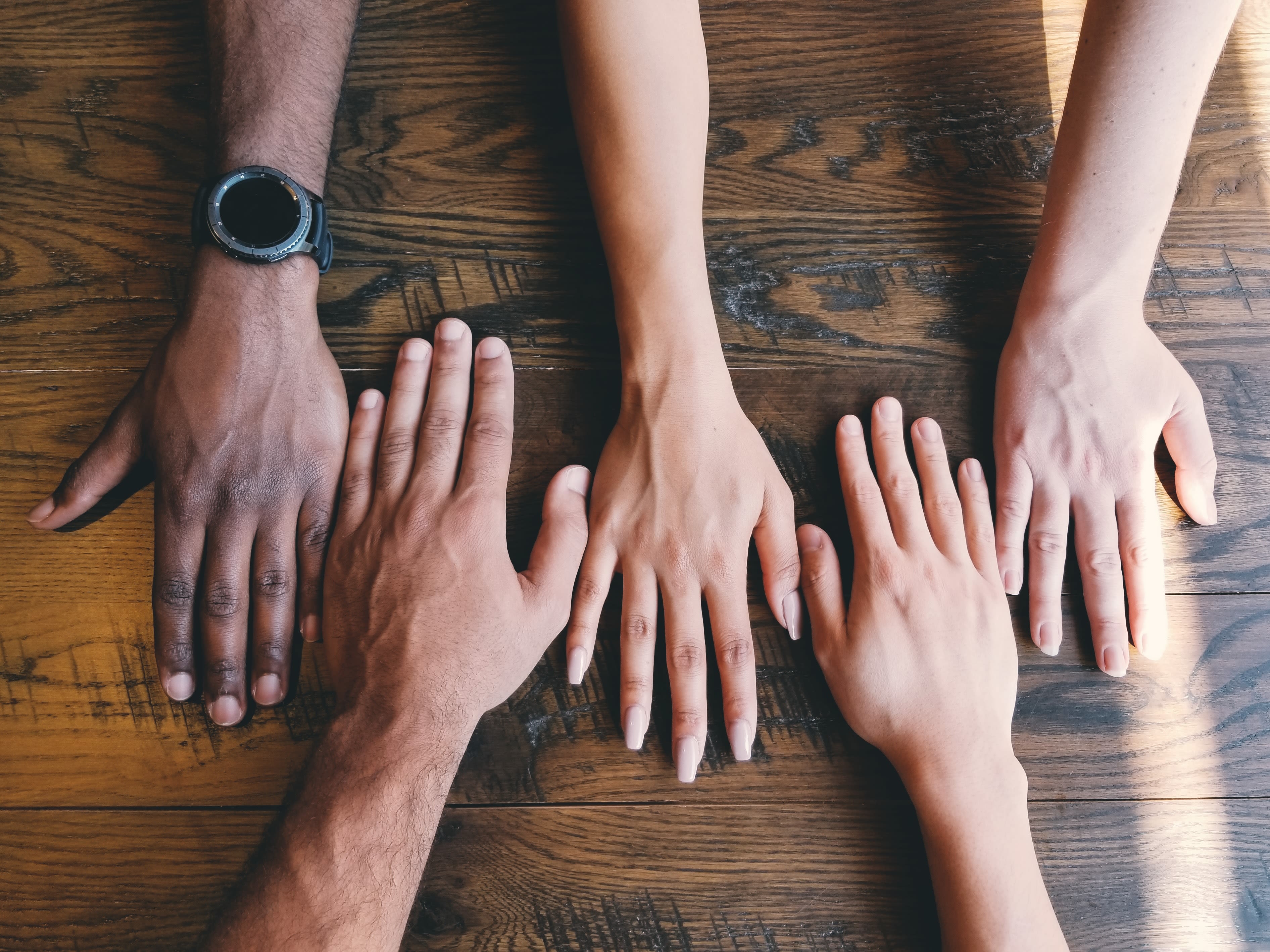
Christof Mehl is a 33-year-old German citizen who took in two Ukrainian refugees early 2022. He witnessed the refugee situation first hand.
Christof strongly believes that the current situation is a chance for his country, who is in need for employees.
“We need highly skilled workers but we also need simple workers. Every restaurant is looking for waiters. Even simple workers are needed right now. So I think we need to integrate them all and not only highly skilled workers,” said Christof.
He added: “Deportation is a sign that you were not able to integrate people and for a country like Germany that is very sad.”
Meanwhile, the situation for refugees in Germany has become more difficult. Social benefits are to be reduced.
Refugees will receive lower asylum seeker benefits for twice as long. Benefits such as food in state accommodation will also be counted towards the payments.
Payment cards are also to become widespread, while some states have already taken the lead. This means that the cardholder has to come to the district office in person to receive a top up every month and be able to buy everyday goods.
The purpose is to limit the possibilities of asylum seekers sending money back home.
The asylum seeking process itself is a challenge since it is time consuming and the introduction of tightened measures only worsen the situation of these people.
Upon arrival, refugees do not immediately receive benefits. The paperwork has to be cleared first.
The lengthy asylum seeking process is to blame for many of the battles faced by refugees.
Christof feels that the German bureaucracy is long and off-putting for motivated people who want to integrate into the German society.
“I had the possibility to see the integration process because of the refugees that lived with us and honestly I was shocked,” said Christof.
He explained that the refugees were unable to register to any courses till they had multiple different ID’s. To receive the initial ID’s took a total of three months.
“It’s so hard for people to start with the integration process, because Germany is a country full of rules and bureaucracy. I was really shocked by the process,” added Christof.
The 33-year-old believes that integration is achievable with “faster access to integration courses, language courses and the job market.”
 Built with Shorthand